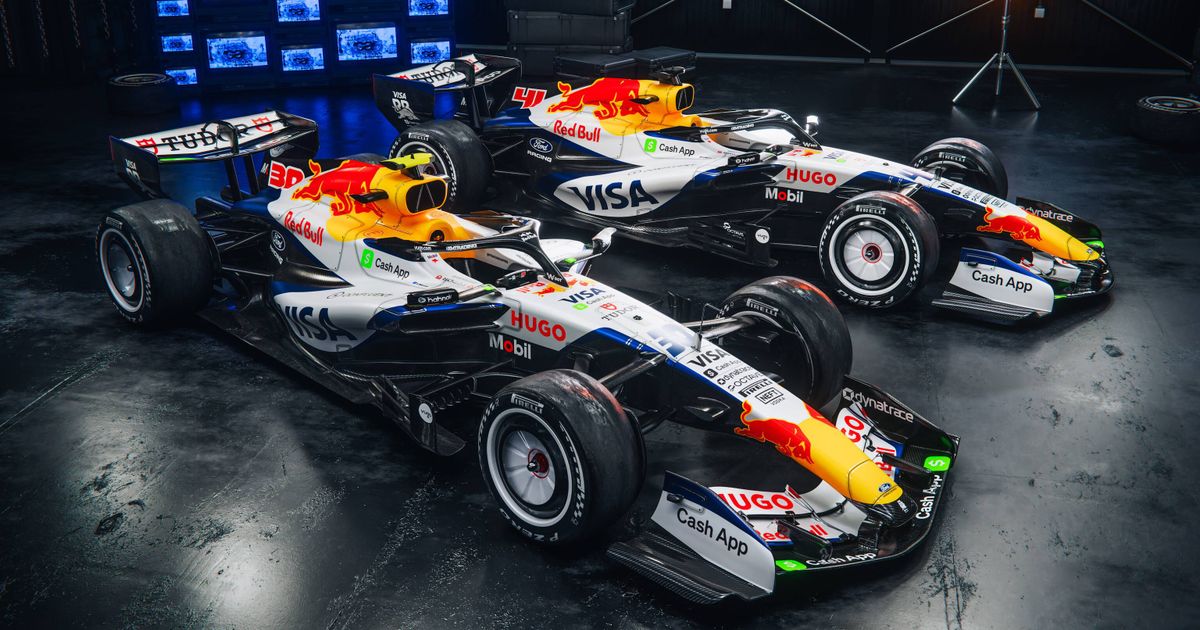
Racing Bulls reveals 2026 contender with Lawson and rookie Lindblad
Racing Bulls has unveiled its 2026 car in Detroit, featuring a Ford power unit and a driver lineup of Liam Lawson and rookie Arvid Lindblad. The team aims to improve on last year's sixth-place finish under the new regulations.
Racing Bulls has officially taken the wraps off its 2026 contender in Detroit, showcasing a striking new livery adapted to the latest technical regulations. The Red Bull sister team has finalized its driver lineup, retaining Liam Lawson alongside newly promoted rookie Arvid Lindblad, marking the full integration of the Ford power unit partnership.
Why it matters:
The 2026 season represents a massive technical overhaul in Formula 1, and Racing Bulls is positioning itself as a dark horse to capitalize on the changes. With a fresh engine supply from Ford and a youthful driver line-up, the team aims to shed its 'junior team' image and challenge for higher honors after securing sixth place in the Constructors' standings last year.
The details:
- The Lineup: Liam Lawson returns for his second full season, bringing valuable experience from the 2025 campaign. He is joined by Arvid Lindblad, a British talent who impressed in Formula 2 last season, earning his seat on merit.
- Ford Power: The 2026 car is the first to feature the full Ford power unit implementation, a project years in the making designed to provide a performance edge over the previous power units.
- Regulation Changes: The unveiled livery and bodywork conform to the new 2026 design rules, which prioritize active aerodynamics and revised ground effect floors to improve racing.
- Location: The choice of Detroit for the launch underscores the strategic importance of the US market and the American connection with Ford.
Between the lines:
While the car looks the part, the real challenge will be how quickly the new driver pairing gels and whether the Ford power unit can match the reliability and output of the market leaders from day one.
What's next:
All eyes will now turn to the pre-season tests to see if the pace shown in the launch translates to the track.