Red Bull Admits Setup Risks Led to Verstappen's Shock Q1 Exit in Brazil
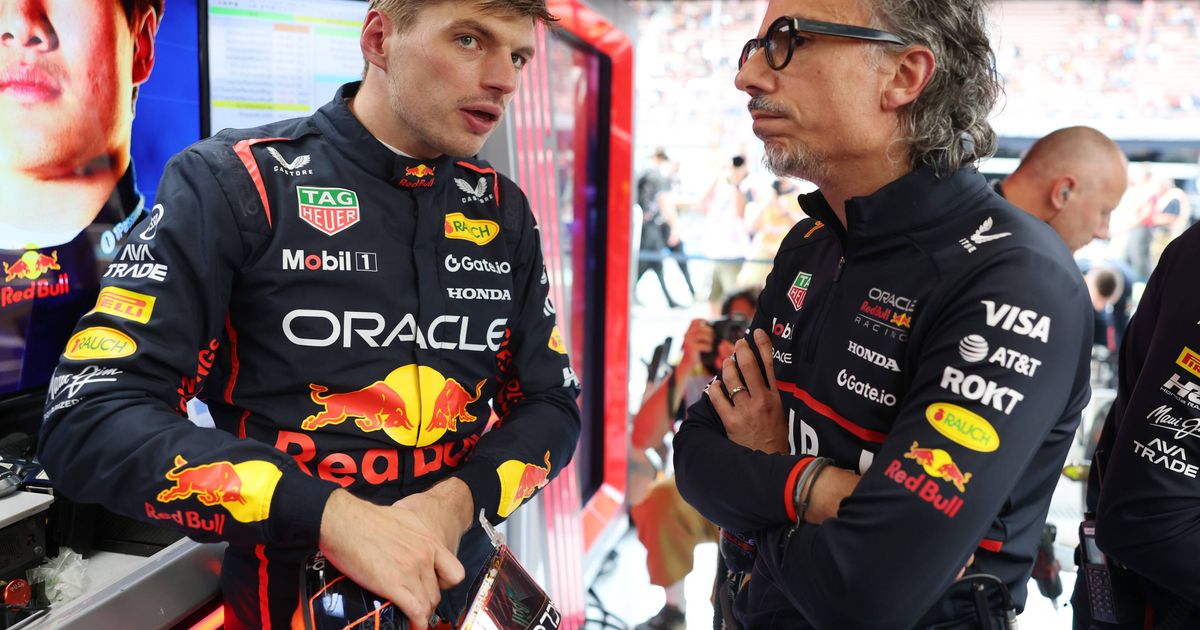
Red Bull Racing admitted to taking excessive setup risks with Max Verstappen's car, leading to his shock Q1 elimination at the Brazil GP. Team Principal Laurent Mekies confirmed their experimental approach backfired, resulting in Verstappen's first Q1 exit since 2021. The team faces a major recovery drive from a 16th-place start.
Red Bull Racing team principal Laurent Mekies admitted the team took excessive risks with Max Verstappen
's setup, resulting in his unexpected Q1 elimination at the Brazil Grand Prix. This marks Verstappen's first Q1 exit since the 2021 Russian Grand Prix, highlighting a rare misstep for the dominant team.
Why it matters:
- Max Verstappen's Q1 elimination is a significant and rare event, especially given Red Bull's recent dominance. It underscores the fine margins in Formula 1, where even the slightest setup miscalculation can have severe consequences.
- This incident could impact the team's momentum and confidence, forcing them to re-evaluate their aggressive approach to car setup, particularly in challenging conditions. It also opens up the grid for other teams to capitalize.
The Details:
- Red Bull Racing was "unhappy with the car pretty much since we got here" according to Mekies, indicating underlying performance issues throughout the Brazil GP weekend.
- The team opted to take "risks before qualifying to try to see if we could put the car in a better place," an experimental approach aimed at improving performance.
- Outcome of Risks: This aggressive setup strategy backfired, pushing the car's performance "in the opposite direction" and leading to Verstappen's Q1 elimination.
- Verstappen could only manage a 16th-place starting spot, while teammate Yuki Tsunoda fared even worse, qualifying 19th.
- Verstappen himself acknowledged the car's "tricky handling" and emphasized the need for the team to "analyse the cause of their dip in performance."
The Big Picture:
Red Bull has been almost invincible recently, but this Q1 exit shows that even the most dominant teams are not immune to setup errors. While it's unlikely to derail their championship aspirations given their points lead, it serves as a stark reminder of the competitive nature of F1. This misstep might lead to a more conservative approach in future qualifying sessions, especially when faced with variable track conditions.
What's next:
- The team will conduct a thorough analysis to understand precisely what went wrong with the experimental setup and how to avoid similar situations in the future. This will be critical for maintaining their performance edge.
- The focus will shift to damage limitation for the race, with Verstappen aiming to make significant overtakes from his 16th-place starting position. His ability to recover will be a key storyline.
- This event will likely prompt Red Bull to be more cautious with radical setup changes, especially during critical qualifying sessions, balancing performance gains with reliability and predictability.