Red Bull Chief Advocates for 'Gloves-Off' 2026 F1 Engine Battle
Red Bull Powertrains' Ben Hodgkinson argues F1's 2026 engine budget cap makes strict homologation rules unnecessary, calling for a more open development war. As the March 1 design freeze deadline looms, his comments highlight the debate over balancing innovation with cost control in the new power unit era, where Red Bull's new engine has shown promise but faces established giants.
Red Bull Powertrains technical director Ben Hodgkinson has called for Formula 1 to abandon engine homologation for 2026, arguing that the new budget cap and testing limits are sufficient controls for a more open development fight. His comments come as the new power unit era approaches its first major milestone, with all five manufacturers required to submit their designs for FIA approval by March 1, locking in performance for years.
Why it matters:
The 2026 power unit regulations represent the biggest technical reset in a decade, aiming for more sustainable and competitive racing. How the FIA manages development and performance convergence between established giants like Mercedes and Ferrari and newcomers like Red Bull's own engine division will critically shape the competitive order for the next five-year cycle. Hodgkinson's push for fewer restrictions highlights the tension between fostering innovation and controlling costs in the sport's new financial reality.
The Details:
- The Homologation Deadline: All five power unit manufacturers (Audi, Ferrari, Honda, Mercedes, Red Bull Powertrains) must submit their 2026 engine designs to the FIA for homologation by March 1, followed by a physical example a month later. This process effectively freezes core performance, with only limited, scheduled upgrade windows permitted.
- The Safety Net System: The rules include an 'Additional Development and Upgrade Opportunities' (ADUO) system. This allows the FIA to grant struggling manufacturers extra development chances to close performance gaps, maintaining a competitive field.
- Hodgkinson's Argument: The Red Bull technical chief believes the combination of a $190 million power unit budget cap and strict dyno testing limits are enough. He argues that homologation is an unnecessary constraint, stating, "I would personally love just to get rid of homologation and have a gloves-off fight."
- The Practical Challenge: Hodgkinson explained that power unit development cycles are inherently long. Designing, proving, and manufacturing high-precision components for an entire engine pool can take months, meaning an early advantage is hard to overcome quickly, which justifies systems like ADUO.
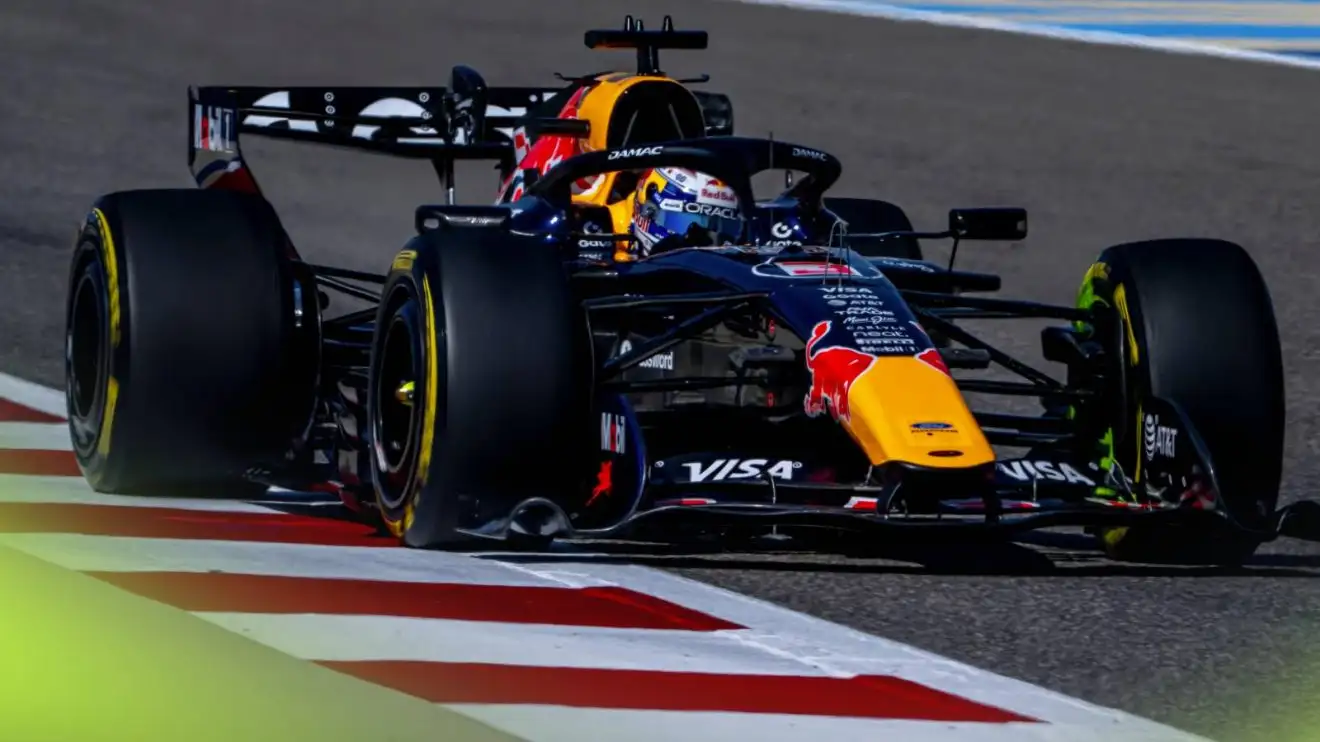
- Red Bull's Position: Despite being a new manufacturer, Red Bull Powertrains—built from a greenfield site and staffed with key hires from Mercedes—has impressed in pre-season testing with notable reliability. However, new Red Bull F1 team principal Laurent Mekies tempered expectations, calling Mercedes and Ferrari's performance "stratospheric" and acknowledging a "mountain" of work remains.
What's next:
The homologation process will soon cement the initial 2026 competitive hierarchy. While Red Bull appears to have built a solid and reliable foundation, the true performance picture will only emerge during the season. The ADUO system will face its first real-world test if a significant performance disparity emerges, potentially triggering the very development race Hodgkinson desires, albeit within a controlled framework. The coming months will reveal whether the new rules have successfully balanced innovation, cost, and competition.
Don't miss the next lap
Get the deep dives and technical analysis from the world of F1 delivered to your inbox twice a week.
Zero spam. Only high-octane analysis. Unsubscribe anytime.
Join the inner circle
Get the deep dives and technical analysis from the world of F1 delivered to your inbox twice a week.
Zero spam. Only high-octane analysis. Unsubscribe anytime.