Red Bull Defends Engine Swap After McLaren's Cost Cap Scrutiny
Red Bull is fending off McLaren's inquiries into Max Verstappen's controversial engine swap at the Brazilian Grand Prix, with McLaren suggesting the move for performance reasons should fall under F1's cost cap. Red Bull insists its actions are legitimate and within regulations, exposing a regulatory loophole that the FIA acknowledges as a weakness, set to be resolved with new rules in 2026.
Red Bull is staunchly defending its decision to replace Max Verstappen's engine ahead of the Brazilian Grand Prix, dismissing McLaren's questions about the move's implications for Formula 1's cost cap rules. While Red Bull asserts its actions are "absolutely within the regulations," the incident has exposed a notable loophole in the current financial framework concerning power unit changes.
Why it matters:
This controversy highlights a significant grey area in F1's current cost cap regulations, particularly regarding engine changes made for performance rather than reliability. For customer teams like McLaren, who pay for their engines, the perception is that works teams (like Red Bull with Honda) gain an unfair advantage. This debate underscores the ongoing challenges in policing financial regulations in a sport where competitive edges are constantly sought.
The Details:
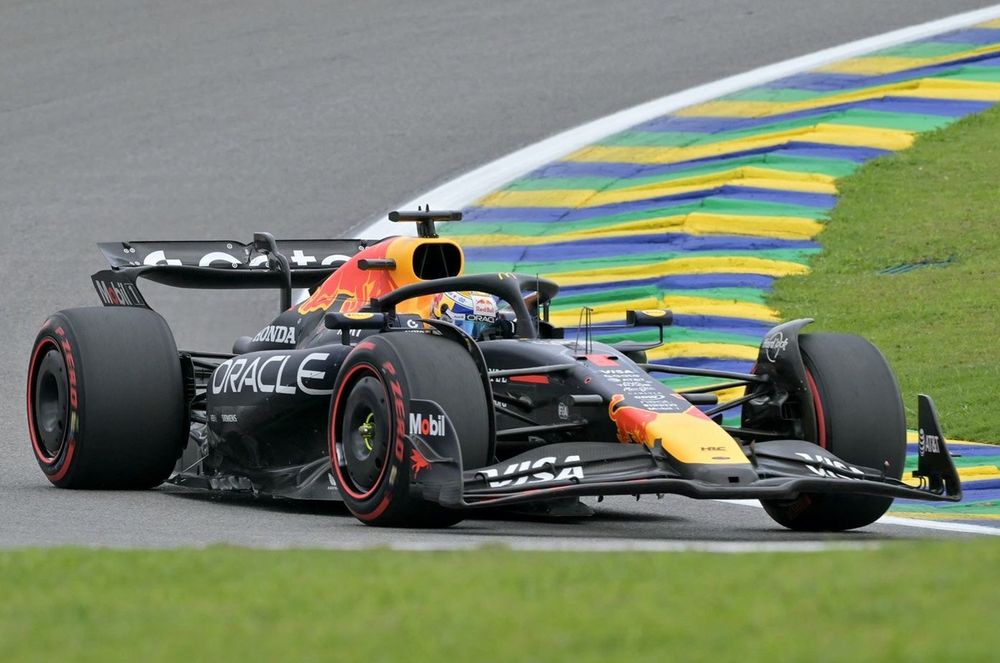
- Verstappen's Engine Change: Following Max Verstappen's Q1 elimination in Interlagos, Red Bull installed an entirely new power unit despite already exceeding his annual allocation. Since Verstappen was starting from the pitlane due to parc ferme changes, the usual grid penalty for an engine swap did not apply.
- McLaren's Challenge: McLaren immediately questioned whether this engine change, perceived as performance-driven rather than for reliability, should be included within Red Bull's cost cap. As a customer team, McLaren cannot make similar 'free' strategic engine changes.
- Regulatory Loophole: The core issue is that current regulations do not explicitly state whether power unit changes beyond the annual quota fall under the cost cap. Existing "understandings" between the FIA and teams allow reliability-driven engine changes to be excluded from the cap, but distinguishing between reliability and performance-motivated changes is difficult.
- FIA's Stance: FIA single-seater director Nikolas Tombazis acknowledged this as a "weakness" in the current rules. He stated the FIA lacks the expertise to definitively judge whether an engine change is for reliability or strategic performance, thus accepting these changes without intense cost cap discussions.
- Red Bull's Defense: Red Bull chief engineer Paul Monaghan called McLaren's questioning a "hand grenade" but maintained their actions were "defendable" and "legitimate." He noted that engine changes are not uncommon in F1. Red Bull advisor Helmut Marko was more direct, asserting, "It's not a grey area. No worries, we are absolutely within the regulations."
What's next:
The FIA plans to close this loophole in the 2026 regulations by introducing a separate cost cap specifically for engine manufacturers. This new cap is expected to naturally deter strategic engine changes due to the direct financial cost to manufacturers. Until then, the debate highlights the regulatory challenges and competitive tensions between F1 teams and the ongoing efforts to ensure fair play within the sport's complex financial framework.