Red Bull emerges as surprise engine leader in 2026 testing
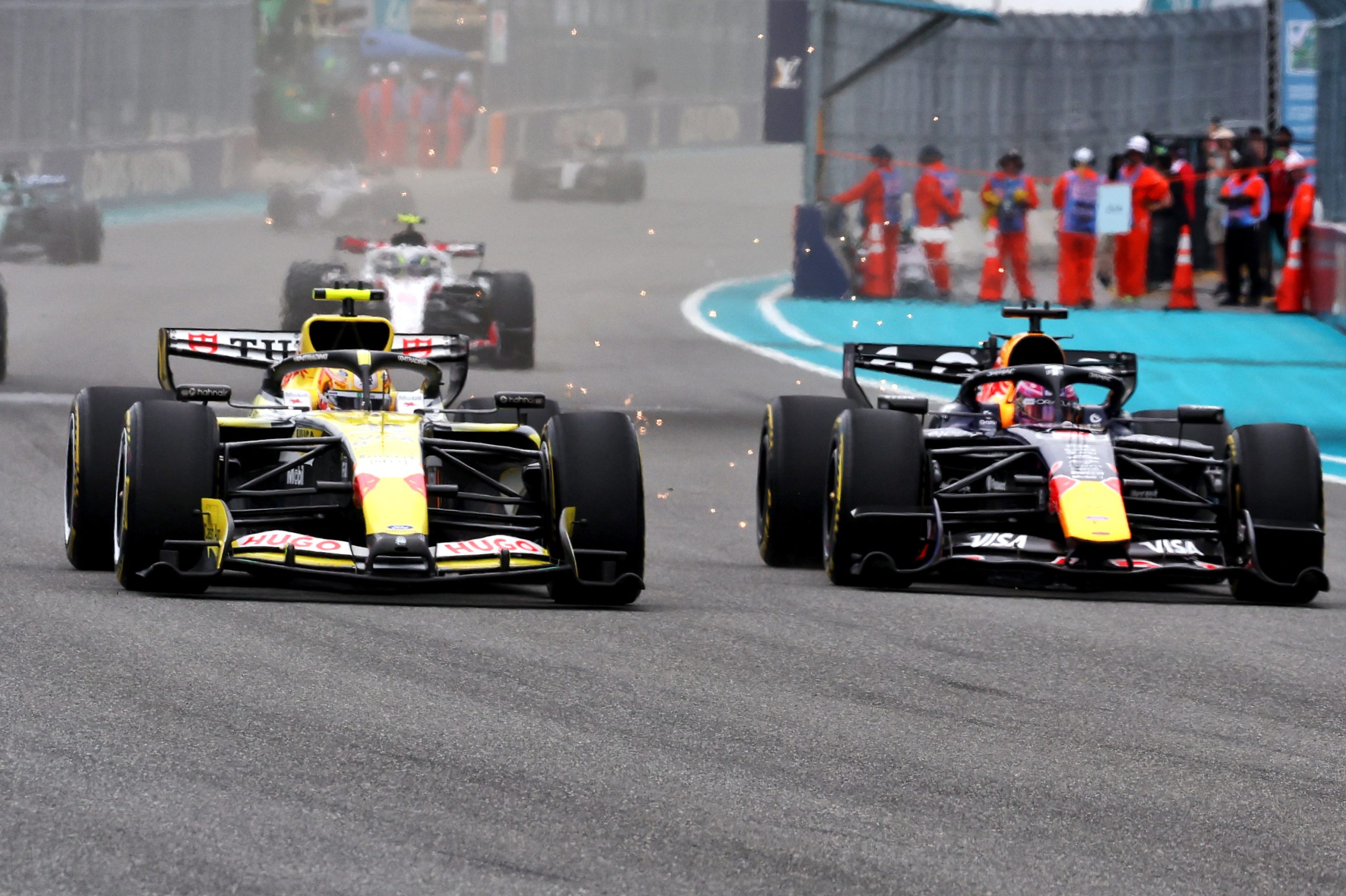
Red Bull's new in-house Ford power unit emerged as the surprise star of 2026 F1 pre-season testing in Bahrain, showing a clear performance advantage that justifies Max Verstappen's decision to stay with the team. Rivals acknowledged the RBPT engine's superior energy deployment, marking a stunning success for Red Bull's first solo engine project and instantly establishing it as the benchmark.
Red Bull Powertrains' new Ford engine has silenced pre-season doubters by establishing itself as the clear performance benchmark during 2026 Formula 1 testing in Bahrain, justifying Max Verstappen's decision to reject Mercedes and commit his long-term future to the team.
Why it matters:
The success of Red Bull's first fully in-house engine project fundamentally reshapes the 2026 competitive landscape. After widespread speculation that the team would struggle with the new power unit regulations, its strong start validates a massive technical gamble and solidifies its position as a top contender from the outset, putting immediate pressure on established manufacturers like Mercedes and Ferrari.
The details:
- Pre-season rumors suggested Red Bull was behind in its 2026 engine development, fueling calls for Verstappen to leave for Mercedes. His decision to stay now appears strategically sound, based on internal data he would have seen at the time.
- Telemetry and GPS data from Bahrain indicated Red Bull's energy deployment on straights was a "clear step ahead" of rivals, with Mercedes Team Principal Toto Wolff estimating the advantage could be worth up to a second per lap over consecutive runs.
- Rivals were openly impressed. Carlos Sainz called the performance "mighty impressive," while Wolff admitted Red Bull's car and power unit are "the benchmark at the moment."
- The engine's reliability during testing was equally notable, showing no signs of the major setbacks that often plague new power unit introductions.
Between the lines:
Red Bull's rapid success is not accidental. It stems from a strategic hiring spree led by former Team Principal Christian Horner, who recruited key personnel from Mercedes' championship-winning engine division, including Technical Director Ben Hodgkinson. This influx of expertise allowed Red Bull to identify and exploit technical loopholes in the new regulations that others missed. The team's ability to transition from a customer to a leading power unit manufacturer in its first attempt is a significant organizational achievement.
What's next:
With testing performance confirming a potent package, Red Bull and Verstappen enter the season opener as favorites. The key question is whether rivals like Mercedes and Ferrari can close the apparent power unit deficit through early-season development. For Verstappen, the Bahrain data provides vindication for his loyalty, placing him in a car that appears capable of extending his period of dominance under the new regulations.
Don't miss the next lap
Get the deep dives and technical analysis from the world of F1 delivered to your inbox twice a week.
Zero spam. Only high-octane analysis. Unsubscribe anytime.
Join the inner circle
Get the deep dives and technical analysis from the world of F1 delivered to your inbox twice a week.
Zero spam. Only high-octane analysis. Unsubscribe anytime.