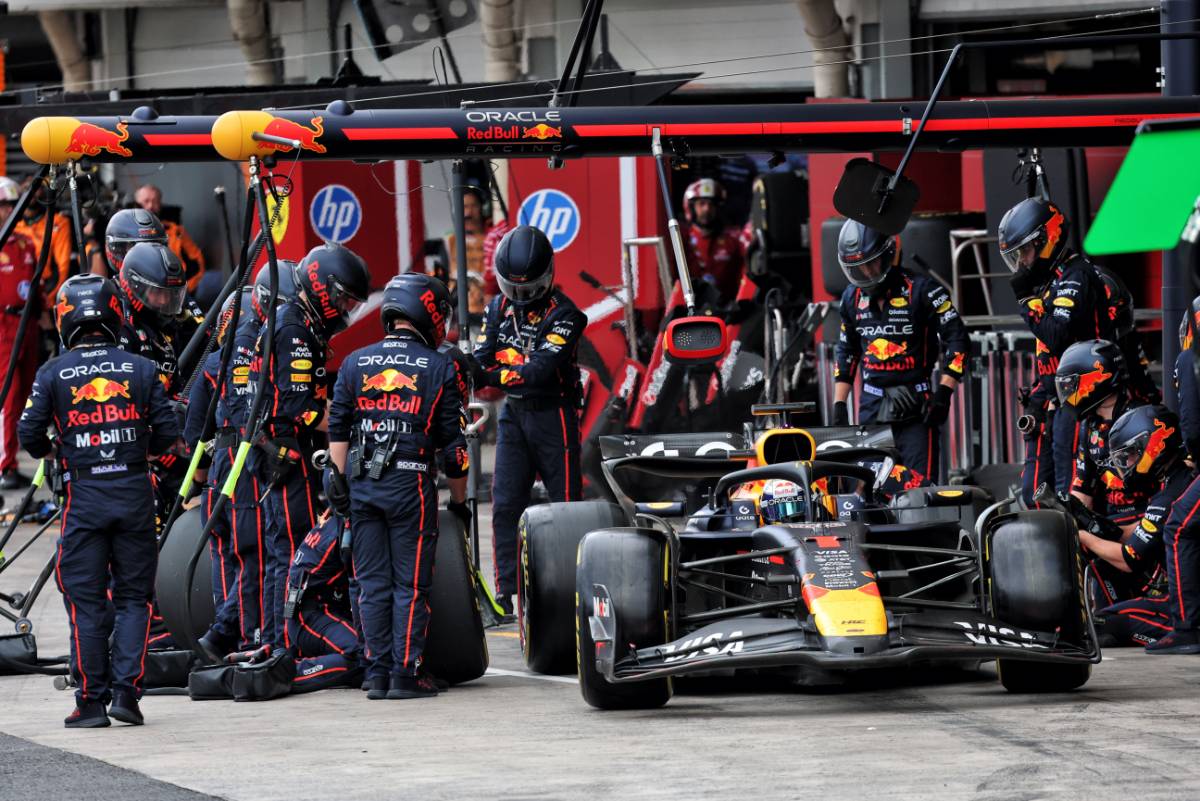
Red Bull Justifies São Paulo GP Pit Stop for Verstappen
Red Bull's decision to pit Max Verstappen from the lead late in the São Paulo GP sparked debate, but team boss Laurent Mekies defended the call, citing severe tire degradation. Despite Verstappen's incredible charge from the pitlane, data showed continuing on worn tires would have jeopardized a podium finish. McLaren's Andrea Stella agreed, acknowledging the high degradation and Red Bull's sound strategy to secure a strong result over a risky win.
Red Bull's decision to pit Max Verstappen from a commanding lead during the São Paulo Grand Prix with just 17 laps remaining sparked immediate debate. Despite a sensational charge from the pitlane, including recovering from an early puncture, the team opted for a fresh set of tires, a move that team boss Laurent Mekies staunchly defended as necessary for a podium finish.
Why it matters:
- This strategic call highlights the high-stakes decisions made during an F1 race and the fine line between chasing a victory and securing valuable championship points. It showcases how data-driven decisions often override the emotional appeal of maintaining track position, especially when tire degradation is a critical factor.
The Details:
- Verstappen, who started from the pitlane, had taken the lead on lap 51 after Lando Norris pitted. His charge through the field was marked by aggressive overtaking and a swift recovery from an early puncture.
- With 17 laps to go, Red Bull called Verstappen in for fresh tires, dropping him from first to fourth position.
- Tire Degradation: By lap 54, Verstappen's medium tires were showing significant degradation, with lap times slipping into the high 1m14s. In contrast, Norris, on fresh rubber, was clocking low 1m13s.
- Red Bull's internal analysis suggested that holding track position on heavily degraded tires would likely lead to a complete loss of position in the final laps, rather than salvaging a strong result.
- Laurent Mekies stated, "No, we don't think it was winnable." He emphasized that the call was made to ensure a strong shot at the podium, which they ultimately achieved.
- Expert Opinion: McLaren team principal Andrea Stella, whose team employed a two-stop strategy for Norris, supported Red Bull's logic.
- Stella noted the "very high" level of degradation and acknowledged that continuing on the same set of tires would have been a "significant gamble."
The Big Picture:
- Verstappen's raw pace and Red Bull's strategic capabilities remain undeniable, even when starting from the pitlane. Stella commented that without the qualifying issues, Verstappen would have been a contender for the victory.
- The incident underscores the constant battle between driver instinct and data-driven race strategy in modern Formula 1. While a "what if" scenario for a win remains, Red Bull prioritized a guaranteed podium finish over a high-risk gamble.
What's next:
- This race serves as a testament to Red Bull's pragmatic approach to race strategy, prioritizing data and calculated risk over optimistic gambles. Such decisions will continue to be crucial as teams navigate the demanding F1 calendar, always aiming to maximize points while avoiding catastrophic failures.
- The ongoing debate about optimal tire strategies will undoubtedly continue to evolve with new regulations and tire compounds in future seasons.