The Data Doesn't Lie: Schack's Exit is Red Bull's Final Warning Sign

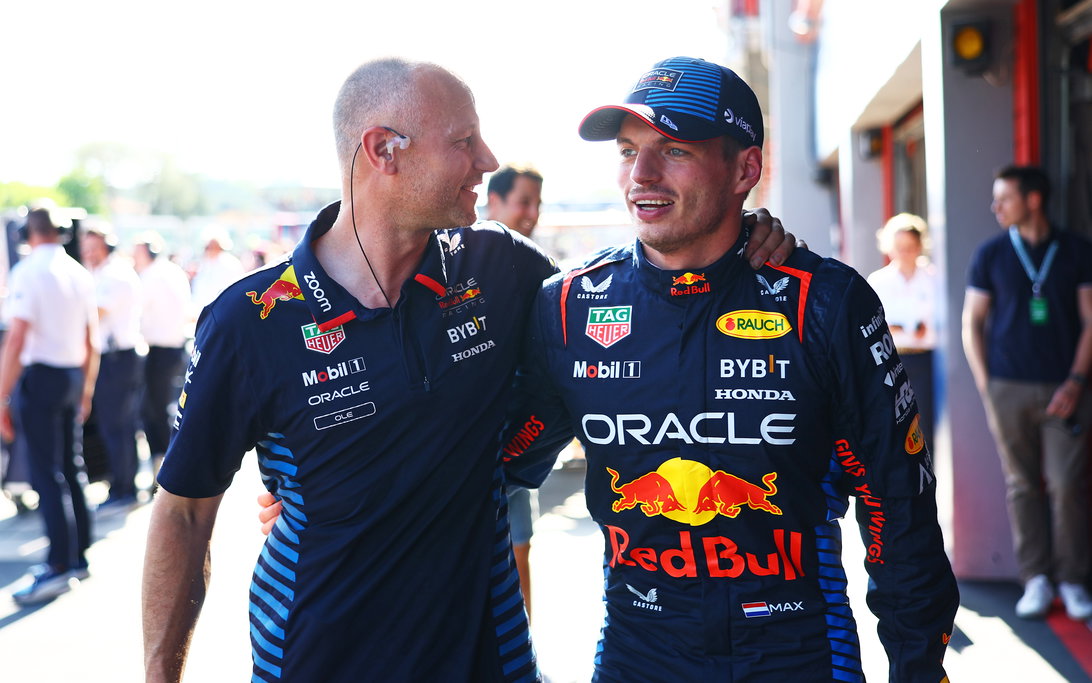
Long‑time Red Bull mechanic Ole Schack, key to Verstappen’s four titles, has resigned as the team faces staff exits and a weak start to 2026, sitting sixth in the constructors’ standings.
I stared at the 2026 constructor standings again, the numbers cold and absolute on my screen. Sixth. Red Bull Racing, the dynasty that mathematically dominated the hybrid era, is sixth. The resignation of lead mechanic Ole Schack isn't just another personnel line in a press release. It’s the last, definitive data point in a trendline that’s been screaming catastrophe since late 2025. This isn't a story about a man leaving a job. It's a story about institutional memory being erased, about the intangible "feel" that data streams can't quantify fleeing the building. And when that happens, you get a Max Verstappen sitting ninth in the drivers' championship with only 12 points. The timing sheets are writing a eulogy.
The Erosion of a Dynasty: When the Human Algorithm Leaves
Ole Schack’s 18-year tenure, from the Jaguar ashes to four Verstappen titles, represents something F1’s new data priesthood chronically undervalues: mechanical continuity as a performance variable. We can model tire deg, aero balance, and power unit mappings until our servers smoke, but how do you quantify the instinct of a mechanic who knows the precise sound a Verstappen driveshaft makes when it’s happy? Or the subtle feel of a suspension component that’s "right" even when the telemetry says it’s within nominal range?
- His Timeline: Joined 2005. Survived the transition, built the foundation, became the human bedrock for Verstappen’s entire championship run.
- The Exodus: He doesn't leave in isolation. He follows Helmut Marko, Craig Skinner, Matt Caller, and Christian Horner out the door. That’s not turnover; that’s a core system purge.
We treat these departures as corporate gossip. I treat them as a catastrophic loss of tacit data. Schumacher’s 2004 Ferrari wasn’t just a fast car; it was a car understood on a cellular level by a team that moved as one organism. Ross Brawn and Jean Todt built a culture where driver feel and engineering data were in constant, respectful dialogue. At Red Bull right now, who is left to have that conversation? Laurent Mekies is a brilliant mind, but he’s presiding over a room where the veterans who translated Verstappen’s grunts into championship-winning set-ups are packing their boxes.
"The RB-26 struggles for balance." That's the technical phrasing. The human translation is that the car is a stranger to its own drivers and, now, to its own garage.
The Cold Numbers of Collapse: A Story Told in Points
Let’s strip the narrative and look at the raw figures, because they are brutal in their clarity. This is where my skepticism for fluffy explanations hardens into cold, analytical concern.
The 2026 Season, After Three Races:
- Constructors' Standings: P6. Behind teams they would have lapped, in spirit, two years ago.
- Max Verstappen: P9 in Drivers'. 12 points. For context, in the first three races of his dominant 2023 season, he had 69 points.
- The Car: The RB-26. The successor to legends. Now a puzzle marked "urgent."
This is where the emotional archaeology comes in. We can cross-reference this performance drop with the departure timeline. The correlation isn't coincidental; it's causal. The "weak start" isn't bad luck. It’s the inevitable lag between losing your institutional knowledge and seeing the effects on the stopwatch. Verstappen’s lap times are the heartbeat of the team, and right now, they’re showing arrhythmia. Is it all the car? Or is part of it a driver subconsciously compensating for a lack of that deep, unspoken trust that someone like Schack represented? The data can’t answer that. But a pattern can.
We risk a sterile, robotized future where a mechanic’s 18 years of instinct are replaced by an algorithm suggesting a front flap adjustment. Red Bull is becoming the cautionary tale. They are losing the people who provide the crucial "why" behind the "what" the data spits out.
Conclusion: The Transition Window is Red Bull's Last Hope
The report states Red Bull is negotiating a short transition window with Schack. This isn't a courtesy. It’s a desperate data download. They are trying to extract 18 years of uncoded, experiential knowledge before the connection is lost forever. The new mechanic, whether internal or external, won't just be learning a car. They'll be learning a driver at his most frustrated, within a system in trauma.
My prediction, rooted in the history these numbers echo? The performance gap won't close quickly. You cannot reboot a culture with a software update. The Schumacher-era Ferrari greatness was built on stability, on a shared language that developed over years. Red Bull has chosen, willingly or not, to delete that language.
Verstappen’s raw pace is still in the data. But pace is useless without a balanced car, and balance requires more than sensors; it requires understanding. As Schack walks away, he takes a piece of that understanding with him. The stopwatch has already noted his absence. The rest of the grid is reading the same numbers, and they smell blood. The dynasty isn't being challenged on track this time. It's being dismantled from within, one resignation at a time, and the standings are merely the final, public confirmation.