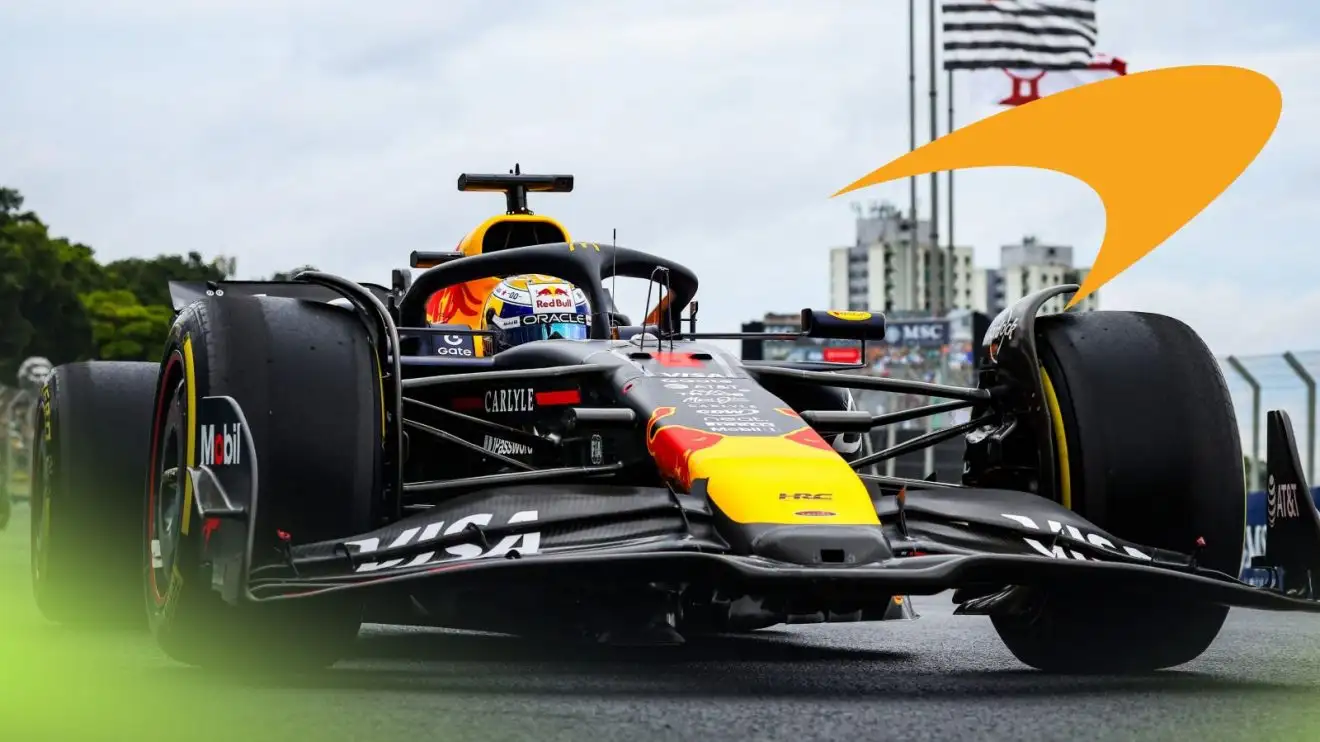
Red Bull's New Engine for Verstappen Sparks McLaren Cost Cap Scrutiny
Red Bull's decision to fit a new Honda engine on Max Verstappen's car in Brazil, contributing to his podium finish, has drawn scrutiny from McLaren. McLaren has questioned whether this performance-enhancing engine change will count against Red Bull's cost cap allowance, bringing the matter to the F1 Commission meeting for clarification on how such upgrades are financially accounted for under the current regulations.
Red Bull team boss Laurent Mekies acknowledged that a new Honda power unit fitted to Max Verstappen's car in Brazil significantly contributed to his podium finish, stating that in the tight F1 2025 grid, “everything to be important.” This engine change, made under parc fermé conditions, has prompted McLaren to question its accounting under the sport's cost cap regulations.
Why it matters:
Red Bull's strategic engine change for Verstappen, despite a pit lane start, proved a masterstroke, allowing him to charge to third place. However, McLaren's inquiry into whether this performance-enhancing change falls under the cost cap highlights a crucial regulatory grey area. How such in-season power unit alterations are categorized financially could set precedents for teams exploiting loopholes, potentially impacting the competitive balance and integrity of the cost cap system designed to foster fairer competition.
The details:
- Following a disastrous qualifying session at Interlagos where both Max Verstappen and Yuki Tsunoda were eliminated in Q1, Red Bull opted for a significant overhaul of Verstappen's RB21.
- This included fitting a new power unit and making extensive setup changes, leading to a pit lane start due to parc fermé rule breaches.
- Verstappen's stunning drive from the pit lane to P3 demonstrated the effectiveness of these changes, particularly the new engine.
- McLaren's Inquiry: McLaren team principal Andrea Stella voiced concerns, stating, “I will be interested in understanding if the cost of this engine now goes in the cost cap or not. If the engine was changed for performance reasons, it should go in the cost cap.”
- Stella's comments suggest a critical distinction in the regulations between engine changes for performance versus reliability reasons, which could impact their cost cap allocation.
- The F1 Commission meeting was reportedly the venue where McLaren raised this issue, seeking clarity on how such specific power unit changes are accounted for within the budget.
- Laurent Mekies, while not quantifying the exact lap time gain, admitted the decision was opportunistic: “It’s fair to say that in the last part of the season, we were on schedule to finish the year without needing the change, but we just felt that we would take the opportunity.”
- He emphasized that in the current highly competitive F1 landscape, “the gaps are small enough for everything to be important,” implying the new engine provided a crucial edge.
The big picture:
The cost cap, introduced in 2021, aims to prevent excessive spending and promote a more level playing field. McLaren's direct challenge to Red Bull's engine change accounting highlights the ongoing complexities and interpretations of these financial regulations. As teams push the boundaries of performance, the scrutiny over every decision, particularly those involving major components like power units, will intensify, forcing the FIA to continually refine and clarify the rules to maintain fairness and prevent circumvention.
What's next:
The outcome of McLaren's query at the F1 Commission meeting will be pivotal. A ruling could clarify how 'performance-related' versus 'reliability-related' component changes are treated under the cost cap, potentially closing loopholes or creating new ones. This ongoing debate underscores the tight margins and high stakes in Formula 1, where every strategic decision and its financial implication are under intense scrutiny, especially as teams vie for championship contention in future seasons.