Red Bull's Power Unit Shows Clear Energy Deployment Edge Over Mercedes in Testing
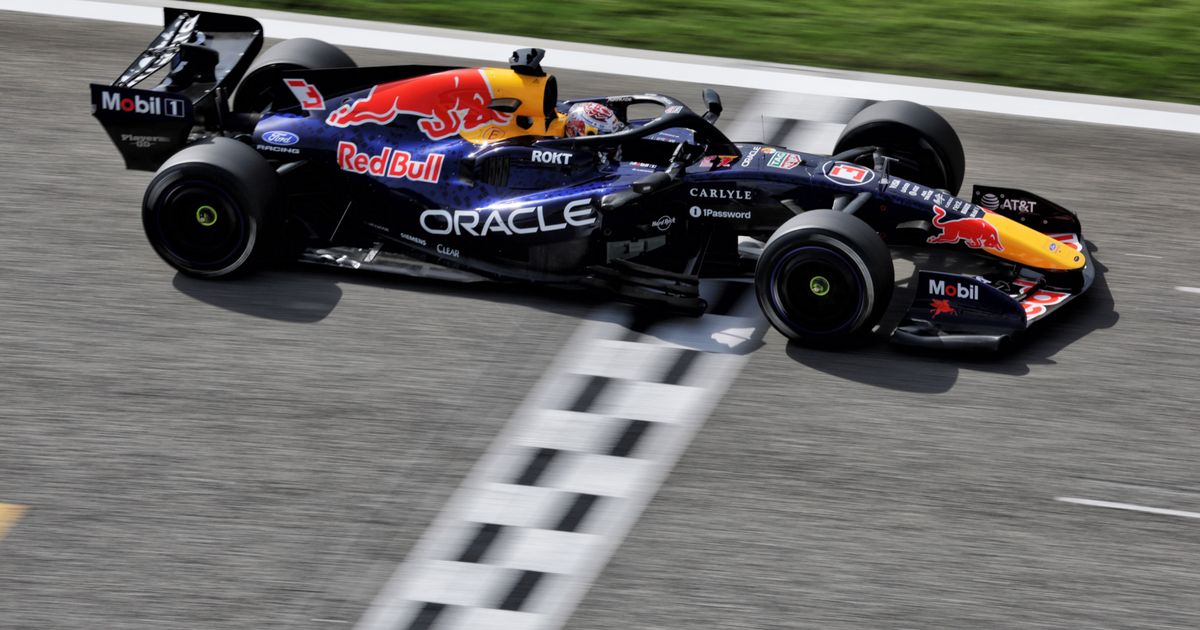
GPS data from Bahrain testing supports Toto Wolff's claim that Red Bull's power unit holds a straight-line speed advantage over Mercedes, linked to more effective energy deployment. This technical edge could be a significant factor as teams finalize their preparations for the 2025 season opener.
GPS data from Formula 1's pre-season test in Bahrain appears to substantiate Mercedes Team Principal Toto Wolff's claim that Red Bull holds a significant straight-line speed advantage, reportedly due to superior energy deployment from its Ford-powered unit. While a Mercedes-engined car topped the timesheets on the first day, the underlying performance data suggests a concerning gap for the Silver Arrows as the season approaches.
Why it matters:
Straight-line speed and efficient energy deployment are critical differentiators in modern F1, directly impacting overtaking ability, race strategy, and qualifying performance. If Red Bull has maintained or extended its advantage in this area, it could solidify Max Verstappen's position as the favorite and force rivals like Mercedes to find compensatory performance elsewhere on the car, a challenging task under stable regulations.
The details:
- Mercedes boss Toto Wolff stated in Bahrain that Red Bull was "a second a lap" faster on the straights in terms of energy deployment, calling them the clear "benchmark."
- Analysis of GPS traces by The Race reportedly confirms that Red Bull-powered cars were consistently faster on the straights throughout the test day.
- The advantage is attributed to the Red Bull Ford powertrain's energy deployment system, which manages the hybrid energy from the battery and exhaust recovery more effectively.
- Despite this underlying performance metric, the final timesheet was led by McLaren's Lando Norris (Mercedes-powered), with Max Verstappen second. George Russell was the lead Mercedes factory driver.
What's next:
The focus now shifts to whether this perceived power unit advantage is consistent across different track conditions and fuel loads, and if Mercedes can mitigate it through chassis or setup optimization. The true picture will only emerge at the season-opening Bahrain Grand Prix, where all teams run in full competitive mode. Mercedes will be analyzing this data intensely to understand the gap and formulate a response, as conceding a straight-line speed deficit is a major strategic hurdle for the season ahead.
Don't miss the next lap
Get the deep dives and technical analysis from the world of F1 delivered to your inbox twice a week.
Zero spam. Only high-octane analysis. Unsubscribe anytime.
Join the inner circle
Get the deep dives and technical analysis from the world of F1 delivered to your inbox twice a week.
Zero spam. Only high-octane analysis. Unsubscribe anytime.