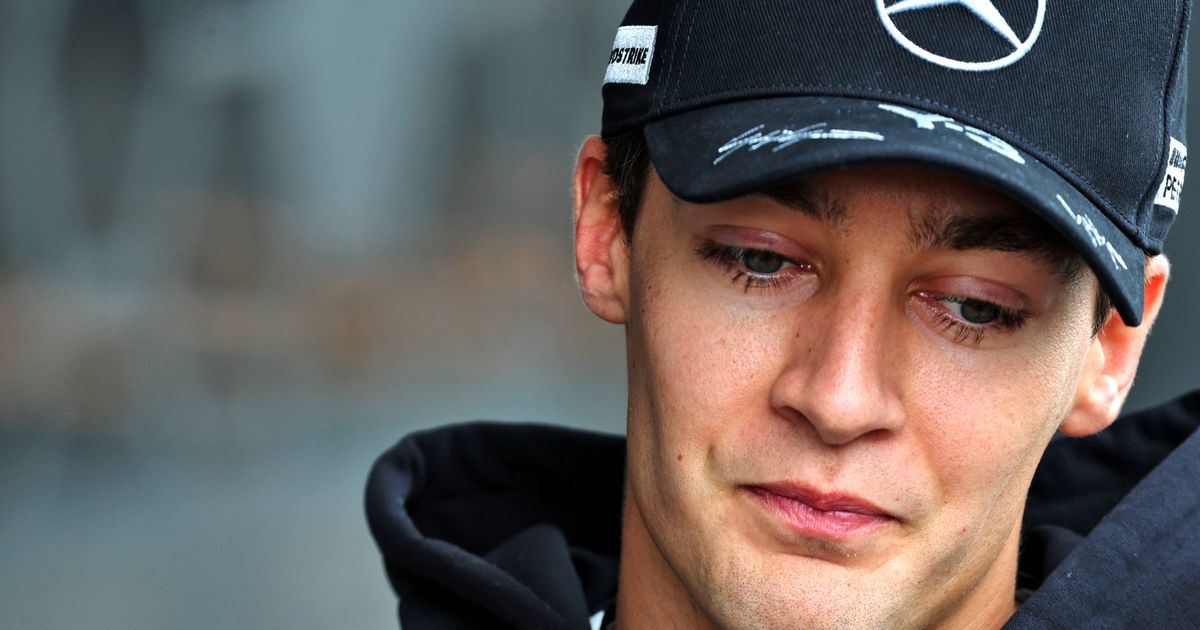
Russell: FIA's energy deployment cut was right, but could have gone further
George Russell supported the FIA's move to reduce energy deployment for 2026 but suggested an even lower limit could improve racing by reducing extreme speed 'clipping'. He also cautioned that Mercedes' strong early-season form could be challenged as rivals like Red Bull, McLaren, and Ferrari bring upgrades.
George Russell highlighted a significant 'super clipping' issue at Suzuka that cost him time but backed the FIA's decision to reduce the maximum energy deployment for 2026. The Mercedes driver argued the reduction from 9 to 8 megajoules was correct but suggested an even lower limit could have further smoothed out extreme speed differences and improved the racing spectacle.
Why it matters:
The FIA's upcoming 2026 power unit regulations are designed to create closer racing and a more sustainable future for the sport. Russell's on-track feedback from a current driver provides crucial, real-world validation of those theoretical goals and highlights where further tweaks might be needed before the new rules are locked in. His comments underscore the delicate balance between peak performance, drivability, and showmanship that regulators must strike.
The details:
- Russell identified a specific deployment problem exiting the final corner at Suzuka, estimating it cost him two to three tenths of a second per lap, though he expects it to be an easy fix for his team.
- He fully supported the recent decision to lower the maximum energy deployment from 9 MJ to 8 MJ for the 2026 regulations, calling it "100% the right decision."
- The British driver suggested the limit could have been reduced even further. A greater reduction would lower overall lap times but create a less extreme contrast between a car's peak top speed and its subsequent speed when the battery depletes ('clipping') before a corner.
- Russell pointed to the approach to Turn 1 as an example, where a lower energy cap would result in a smaller, less dramatic drop in speed, potentially making following another car easier.
The big picture:
Despite Mercedes' strong start to the 2025 season, Russell remains cautious about maintaining their position. He referenced historical seasons like 2009 and 2022, where early leaders were eventually overhauled as rivals developed their cars. He noted that Red Bull is believed to be running heavy, McLaren has major upgrades pending, and Ferrari has already shown strong pace—all factors that could reshuffle the competitive order as the season progresses. His perspective serves as a reminder that early-season form is not always indicative of the year-long championship fight.
What's next:
Russell's technical feedback will be noted by the FIA as part of the ongoing refinement of the 2026 regulations. For the immediate future, his focus is on resolving Mercedes' deployment glitch for the remainder of the Japanese Grand Prix weekend. On a broader scale, his wariness about Mercedes' season-long prospects sets the stage for a development race, with upgrades from all top teams likely to dictate the true pecking order in the coming months.
Don't miss the next lap
Get the deep dives and technical analysis from the world of F1 delivered to your inbox twice a week.
Zero spam. Only high-octane analysis. Unsubscribe anytime.
Join the inner circle
Get the deep dives and technical analysis from the world of F1 delivered to your inbox twice a week.
Zero spam. Only high-octane analysis. Unsubscribe anytime.
Continue Reading
View More News