Russell Proposes 'Magical' Solution as Verstappen Triggers Rule Change
Today's top F1 news includes George Russell proposing a 'magical' solution as a GPDA director, Max Verstappen's Nordschleife win prompting a rule change, Fernando Alonso questioning F1's 2026 overhaul, and Jacques Villeneuve warning Ferrari after driver criticism. These stories highlight ongoing debates and strategic shifts in Formula 1.
Today's F1 headlines cover George Russell's 'magical' solution demand, Max Verstappen's Nordschleife victory leading to a rule change, Fernando Alonso's concerns about 2026 regulations, and Jacques Villeneuve's warning to Ferrari after driver criticism.
Why it matters:
The F1 world is buzzing with significant discussions shaping its future, from driver input on crucial issues to the impact of star performances outside the championship. These stories highlight the continuous evolution of motorsport, both on and off the track, and underscore the influence of key figures like Russell, Verstappen, and Alonso in defining the sport's direction and challenges.
The Details:
- George Russell's 'Magical' Solution: As a director of the Grand Prix Drivers Association (GPDA), Mercedes driver George Russell has proposed a 'magical' solution in response to an F1 demand. While specifics of the 'magical' solution are yet to be fully disclosed, it underscores the active role drivers are taking in influencing the sport's operational and safety standards. This initiative reflects a broader movement within F1 to incorporate driver perspectives more directly into strategic decisions.
- Max Verstappen's Nordschleife Victory: Max Verstappen's impressive GT3 victory at the Nordschleife circuit earlier this year has inadvertently led to a significant rule change. Verstappen's participation and subsequent dominance in an event outside of F1 drew considerable attention, prompting discussions about how to manage F1 drivers' involvement in other racing series. This rule change aims to regulate or restrict certain types of external racing activities for F1 drivers, balancing their freedom to compete with potential risks and championship commitments.
- Fernando Alonso's 2026 Rules Question: Fernando Alonso, set to begin his 23rd F1 season in 2026, has raised the 'only question' about F1's radical new rules overhaul planned for that year. The veteran driver's concerns likely center on how these drastic changes will impact racing competitiveness, car design, and the overall spectacle of the sport. As F1 targets more sustainable and potentially more exciting racing with the new regulations, Alonso's perspective as an experienced campaigner provides critical insight into the practical implications for drivers and teams.
- Jacques Villeneuve's Ferrari Warning: Former F1 champion Jacques Villeneuve has issued a stern warning to Ferrari following chairman John Elkann's public criticism of the team's drivers, urging them to "talk less." Villeneuve's comments highlight the delicate balance between team management and driver freedom, especially in a high-pressure environment like Ferrari. This public spat underscores potential internal tensions and could impact team morale and performance dynamics as Ferrari strives for championship success.
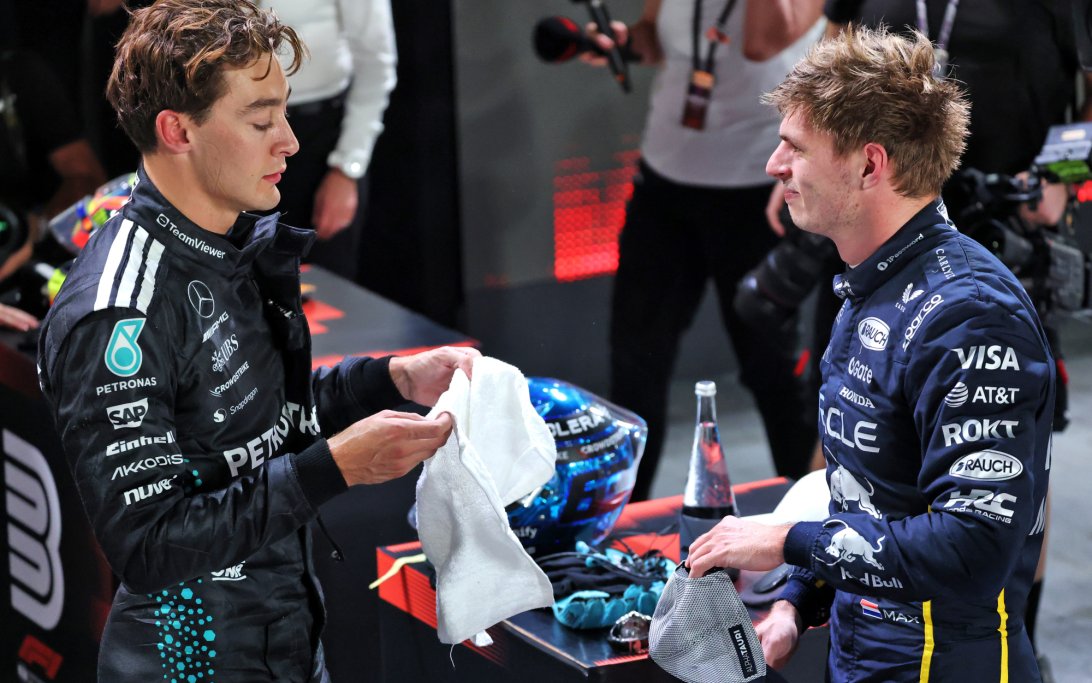
- Max Verstappen's Controversial Mistake: Max Verstappen reflected on a controversial incident earlier this year involving George Russell, stating that "all signs went red." This comment points to a moment of high tension or a critical misjudgment during a race, indicating a severe warning or a clear error on his part. Such reflections are crucial for understanding driver psychology and how they process high-stakes racing situations and conflicts on track.
The Big Picture:
These varied narratives reflect the dynamic and often contentious nature of Formula 1. From driver advocacy for safer and better racing conditions to the ripple effects of off-track victories and the internal politics within top teams, F1 remains a sport constantly in flux. The looming 2026 regulations represent a major shift, and the reactions of key figures like Alonso are vital indicators of the challenges and opportunities ahead. Meanwhile, the strategic public commentary by figures like Villeneuve and team chairmen emphasizes the complex human element intertwined with the technological marvels of F1.
What's next:
The discussions around George Russell's proposed solutions and Fernando Alonso's questions regarding the 2026 rules are expected to continue evolving as F1 policymakers finalize future regulations. The implications of Max Verstappen's Nordschleife victory on driver participation rules will likely see further clarification, impacting how drivers engage in racing beyond F1. For Ferrari, Jacques Villeneuve's warning may prompt internal adjustments in how the team manages driver communication, especially as they push for stronger championship contention. These ongoing developments underscore a period of significant introspection and change for Formula 1, promising an eventful path forward for teams, drivers, and fans alike.