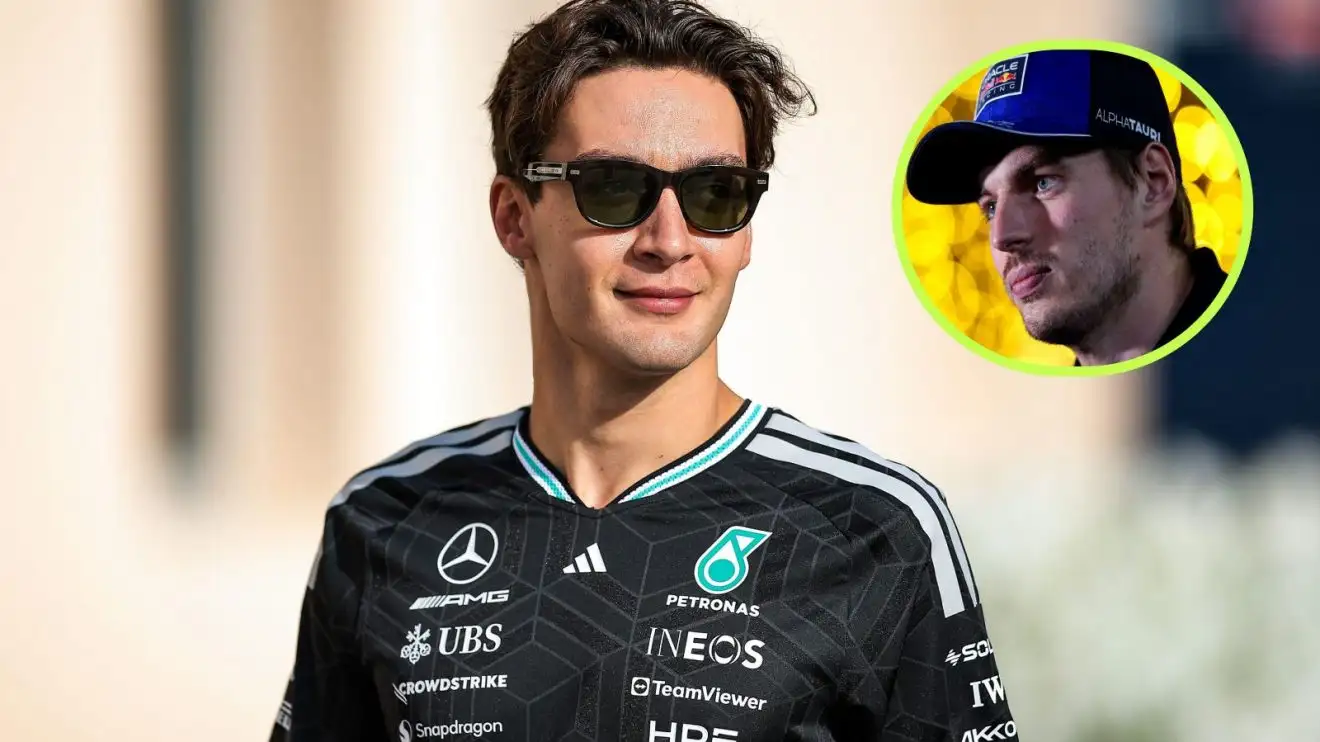
Russell rejects Verstappen's 'Formula E on steroids' label but flags 'annoying' 2026 F1 gear quirk
Mercedes' George Russell offers a mixed review of F1's 2026 cars, rejecting Max Verstappen's "Formula E on steroids" criticism but highlighting an "annoying" need to use very low gears in corners to manage the new hybrid power units. While praising the lighter, more agile chassis, he details a counter-intuitive driving style and a steep learning curve for energy management ahead of the new season.
George Russell disagrees with Max Verstappen's harsh assessment of F1's 2026 cars as "Formula E on steroids," but the Mercedes driver has identified a significant and unintuitive driving challenge with the new power units: the need to use extremely low gears in corners to keep the turbo spooled, which he describes as "annoying." While optimistic about the lighter, more agile cars, Russell highlights the complex energy management and a steep learning curve drivers face as the sport adapts to its new technical era.
Why it matters:
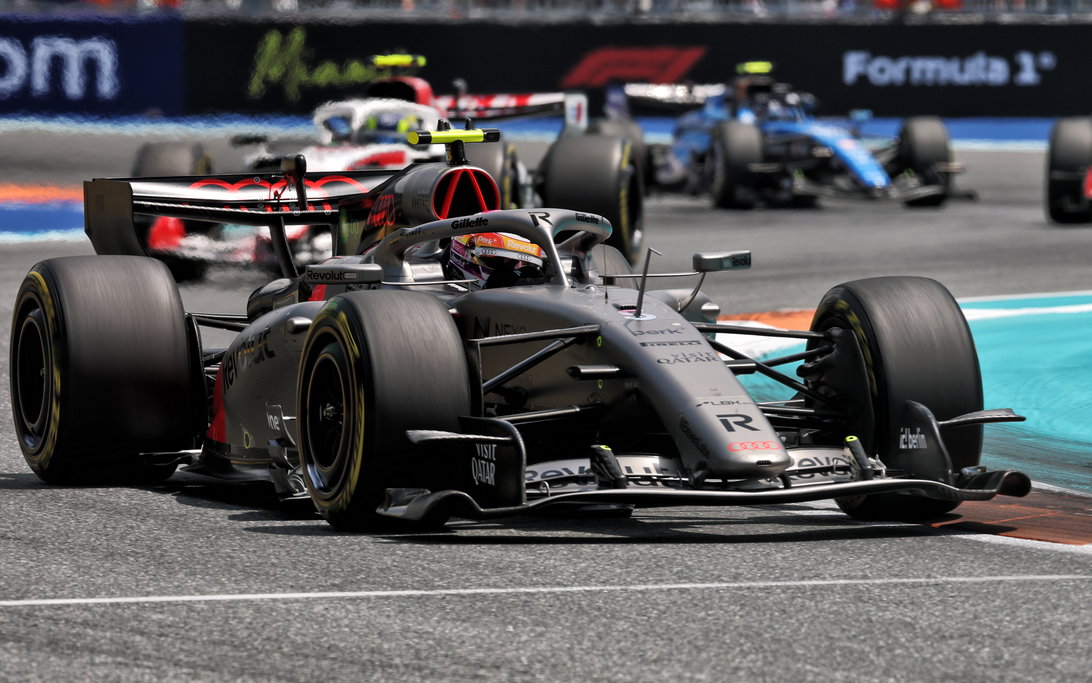
The 2026 regulations, featuring a 50/50 split between electric and biofuel power, represent the most radical shift in F1's technical philosophy in over a decade. Driver feedback during the initial shakedown tests is crucial for understanding the real-world racing product these rules will create. Russell's nuanced take—neither fully dismissive nor wholly celebratory—provides a balanced early snapshot of the compromises and potential hidden within the new formula, which aims to be more sustainable and promote closer racing.
The details:
- Russell confirmed that to maintain turbo boost and electrical energy deployment, drivers must now take corners in much lower gears than before. He used the example of Turn 1 in Bahrain, traditionally a third-gear corner, now requiring first gear.
- He illustrated the awkwardness with a road car analogy: "Imagine... you get to the roundabout and you put it in third gear... but suddenly, the person next to you says, 'Put it in first gear.'" He notes the car isn't naturally designed for this, making it feel like "a bit of a handbrake."
- This creates a counter-intuitive trade-off: going slower through the corner in a low gear is necessary to preserve energy and power for the subsequent straight, making lap time optimization a complex puzzle.
- Unlike previous generations, where a faster cornering method was an immediate gain, drivers now must wait a full lap to understand the energy impact of a single-corner experiment.
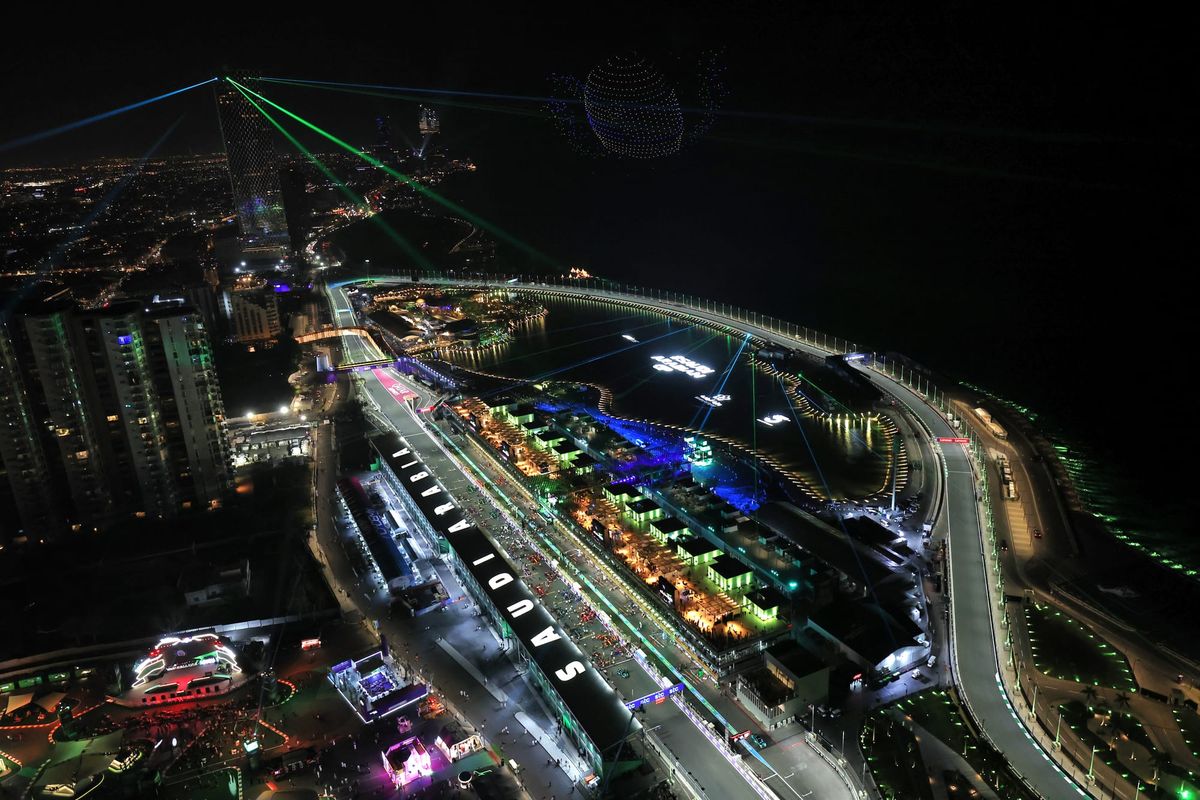
- Russell pointed out that the current testing tracks, Barcelona and Bahrain, are among the "easier" circuits for the new power units, suggesting greater challenges await at more demanding venues like Melbourne and Jeddah.
What's next:
The true test of the 2026 regulations will come as teams develop their cars and drivers refine their energy management techniques over the coming months. Russell remains "intrigued to see how the fans will take it and how the races will look on television," acknowledging that what is best for driver enjoyment does not always equate to the best racing spectacle. He also offered a dose of perspective, noting drivers are prone to complaint and that a large performance spread between teams has emerged early in testing. The evolution of this formula and the resolution of its early quirks will define the next era of the sport.
Don't miss the next lap
Get the deep dives and technical analysis from the world of F1 delivered to your inbox twice a week.
Zero spam. Only high-octane analysis. Unsubscribe anytime.
Join the inner circle
Get the deep dives and technical analysis from the world of F1 delivered to your inbox twice a week.
Zero spam. Only high-octane analysis. Unsubscribe anytime.
Continue Reading
View More News