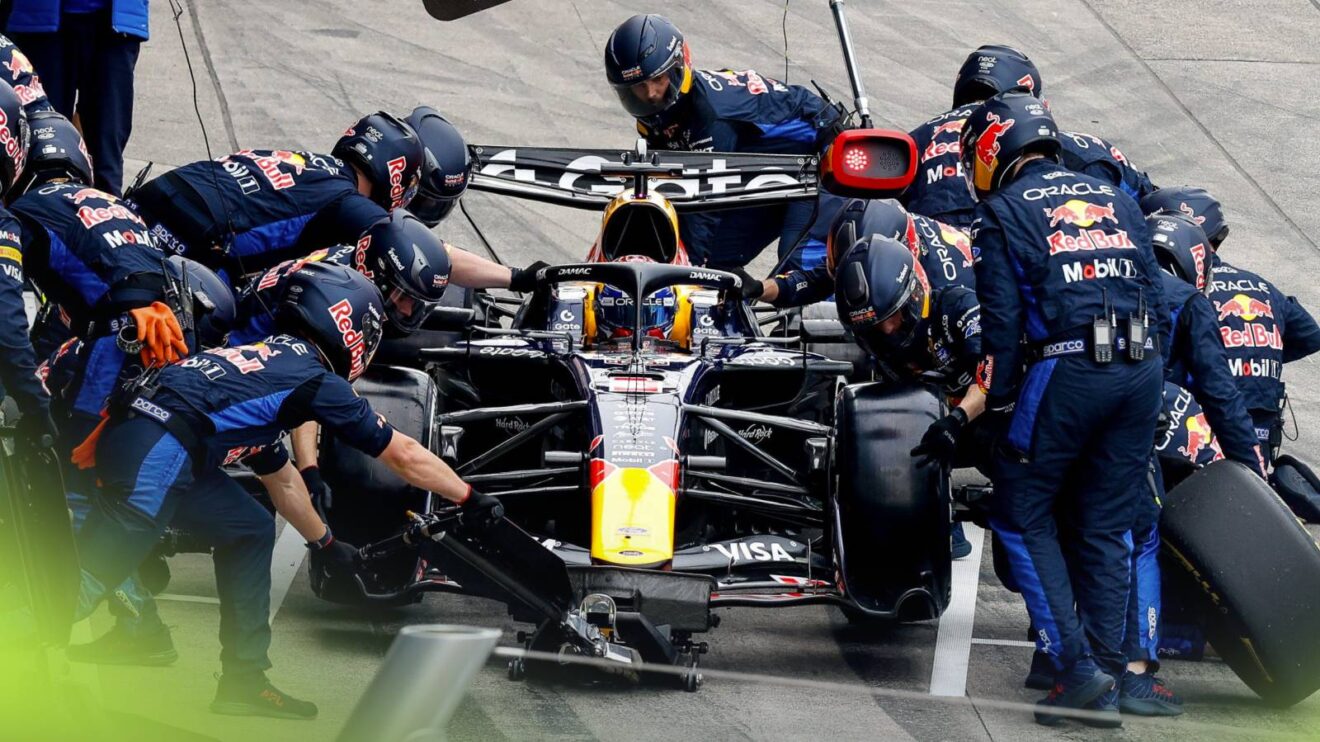
The Last Man Standing Falls: Verstappen's Pit Wall Crumbles as Schack Exits
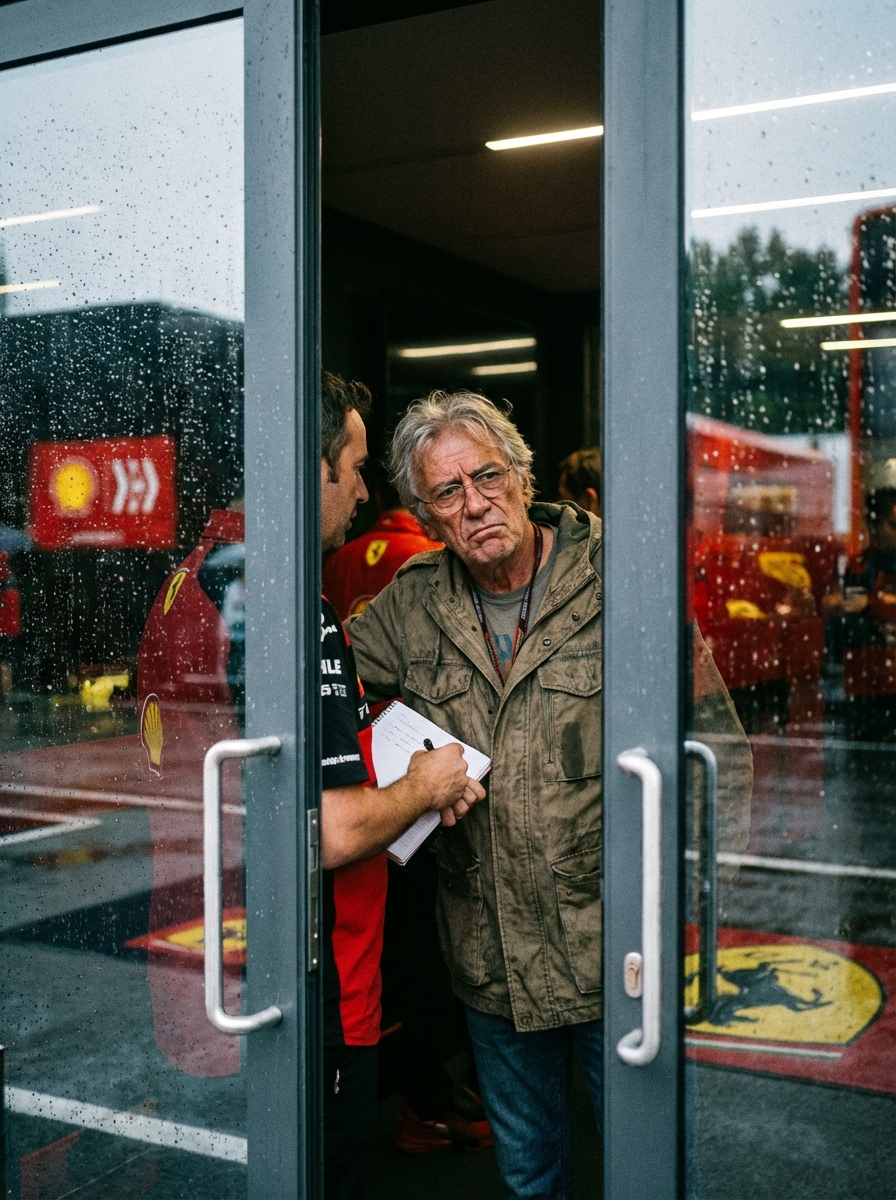
Ole Schack, Max Verstappen's front-end mechanic and a Red Bull fixture since its 2005 inception, is leaving the team. His departure, motivated by a changed atmosphere post-Christian Horner, is part of a wider exodus of experienced personnel as Red Bull navigates internal restructuring and on-track performance struggles.
The heart of a Formula 1 team isn't in its wind tunnel data or its CEO's office. It's in the garage, in the greasy handshake between a driver and the mechanic who just changed his world in two seconds. That heart at Red Bull Racing just stopped beating. Ole Schack, the human archive, the only man besides Christian Horner to have breathed the air at every single Red Bull Grand Prix since 2005, is walking out. Don't let the polite "new challenge" statement fool you. This is a surrender. When the soldier who has never missed a roll call decides the war is no longer worth fighting, you know the fortress is already lost.
This isn't just another personnel change. This is the final, deafening click in the lock of the Horner-Mateschitz era. Schack wasn't an employee. He was a landmark. And his departure isn't about a job offer. It's a visceral reaction to a changed atmosphere, a scent in the Milton Keynes air that the old guard can no longer stomach. While Max Verstappen puts on his weekly masterclass of aggressive theater—a brilliant, calculated distraction from the RB22's fundamental aerodynamic aches—his own inner circle is voting with their feet.
The Unraveling of a Dynasty: One Thread at a Time
They called it a "restructuring." A "new chapter." The language of corporate press releases, cold and sterile. But in the paddock, we feel the tremors. Schack's exit is the most seismic yet because of what he represents: unbroken continuity. He was the living memory bank. From the first shaky steps of the rebranded Jaguar to the zenith of dominance, he was there. His departure confirms a terrifying truth for Red Bull—the institutional knowledge that built a dynasty is evaporating.
Look at the trail of the disillusioned he follows:
- Craig Skinner, the chief designer. The architect of speed, gone.
- Matt Caller, a key Verstappen mechanic, jumped to the promise of Audi.
- Jon Caller, another Verstappen specialist, simply resigned.
- An entire layer of senior HR, partnerships, and marketing brains, wiped out in a February purge.
This isn't attrition. This is an exodus. And it's happening while the car is slow. That's the critical poison. In F1, you can stomach political bloodsport if you're winning. The trophy is a balm for all wounds. But when the politics intensify and the performance dips? Morale doesn't just fall. It plummets. The factory becomes a museum of past glories, and the present feels like a betrayal.
"You can simulate downforce in a computer, but you cannot simulate the trust in a mechanic's eyes when you're coming into the pits on three wheels. That trust just left the building."
Schack's story is the story of Red Bull. Remember Singapore 2012? After his father passed away, Horner sent him up to collect the constructor's trophy. A gesture of pure, human respect from a leader who understood that data doesn't build loyalty, people do. That's the culture that's gone. Replaced by what? The efficient, perhaps clinically competent, management of Oliver Mintzlaff and Laurent Mekies? Good men, I'm sure. But do they understand the soul they're trying to steward? Or are they just managing a spreadsheet of human resources?
The Driver in the Storm: Emotion vs. The Algorithm
Where does this leave Max Verstappen? My belief is simple: a driver's performance is dictated by emotion, not just data. A content or angrily focused driver will always outperform a perfectly data-optimized one wrestling with doubt. Max is a predator. He feeds on certainty, on a perfectly tuned machine and a crew he trusts implicitly. Schack was part of that armor. Now, that armor has a chink.
Verstappen's aggressive, wheel-to-wheel style isn't just talent. It's a necessity. It's a smokescreen. It creates a narrative of invincibility, of a driver dragging a car beyond its limits. It masks the reality that the RB22 has fundamental flaws that aggression alone cannot fix. But how long can he keep up the theater if the supporting cast keeps changing? If the people who translate his furious feedback into mechanical fixes are new faces with no shared history?
This is the fatal flaw in F1's relentless march toward total data dependency. They think the human element is a variable to be minimized. They're wrong. It's the catalyst. Schack's departure is a human element screaming in protest. And while the engineers in Milton Keynes chase AI-designed suspension components—a path I believe will, within five years, give us the first fully AI-designed car and make this sport a software battle—they are forgetting the heart that makes the machine race.
Conclusion: A Pivotal Silence
So what's next? For Red Bull, a terrifying dual challenge. They must somehow staunch the bleeding of two decades of tribal knowledge while simultaneously solving a car that is, by their standards, a midfield contender. Replacing Schack's skills is possible. Replacing his memory? Impossible. It's like trying to rebuild a cathedral from the blueprints but forgetting the faith that laid the first stone.
For Schack? The paddock awaits his next move with keen interest. A man with that much race-by-race grit is worth his weight in gold-dust. For Verstappen, he faces a season of fighting two battles: one against the clock on track, and a quieter, more insidious one against the creeping doubt within his own garage.
The last man standing from the old guard has fallen. The silence he leaves behind is the loudest sound in Formula 1 today. It's the sound of an era definitively, irreversibly, ending. And when the history of this great team is written, they may mark its decline not from a regulatory change or a rival's innovation, but from the day Ole Schack decided he'd seen his last race with the bulls.