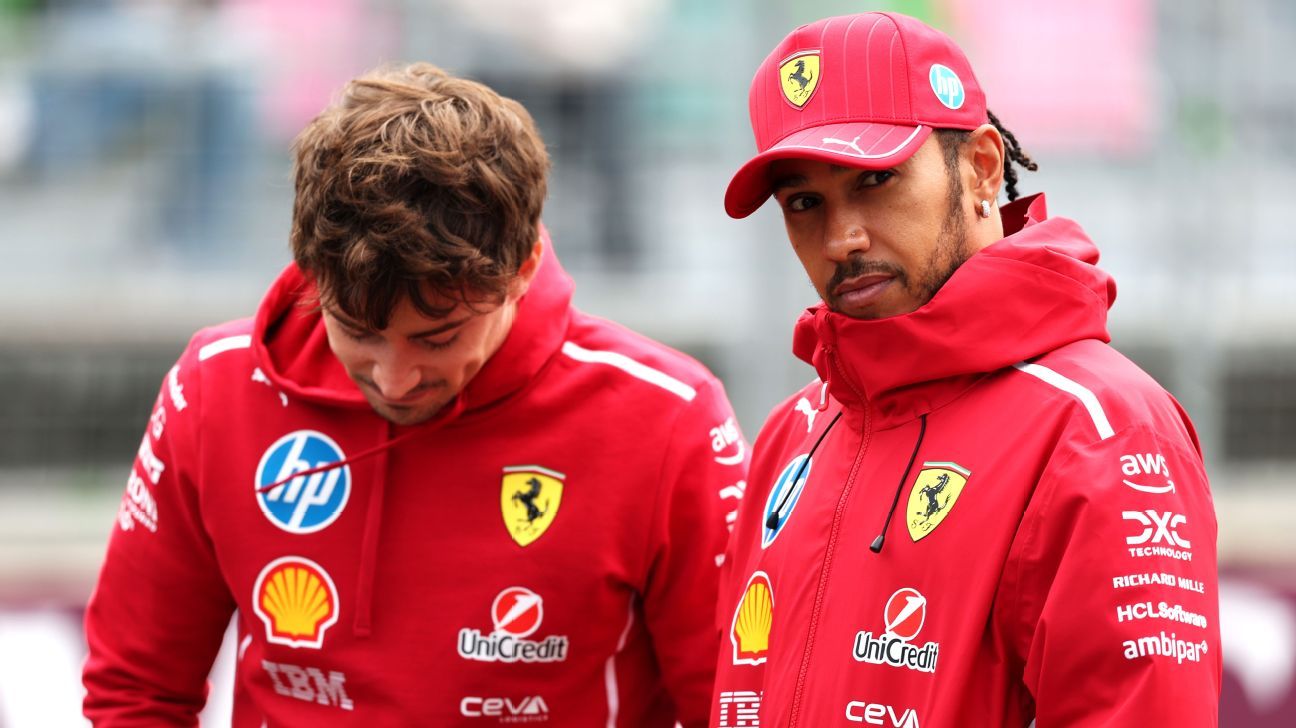
Ferrari Chairman Unfairly Blames Drivers for F1 Struggles
Ferrari chairman John Elkann's criticism of Lewis Hamilton and Charles Leclerc after their double DNF in Brazil has sparked controversy, highlighting a deep-seated issue within the F1 team. While celebrating a WEC title, Elkann's remarks about drivers needing to "talk less" are seen as a deflection from Ferrari's ongoing F1 struggles, risking driver unity and exposing a corporate culture resistant to accountability.
Ferrari chairman John Elkann's recent criticism of Lewis Hamilton and Charles Leclerc, following their double DNF at the São Paulo Grand Prix, highlights a recurring issue within the storied Formula 1 team. His remarks, made the same day Ferrari secured a World Endurance Championship title, underscore the stark contrast between the company's success in sports car racing and its ongoing struggles in F1, now hurtling towards a third winless season this decade.
Why it matters:
Elkann's public blame of his drivers, rather than addressing systemic issues, echoes a pattern of misguided interference that has plagued Ferrari during its 17-year F1 title drought. This approach risks undermining driver morale and unity, crucial elements for any team aspiring to consistent championship contention.
The details:
- Elkann's Comments: Following the São Paulo Grand Prix, where both Hamilton and Leclerc retired, Elkann stated, "If we look at our mechanics, who are winning the championship with their pit stop performance... if we look at our engineers, there's no doubt the car has improved. If we look at the rest, it's not up to par. We certainly have drivers for whom it's important that they focus on driving and talk less."
- WEC Contrast: Elkann contrasted the F1 team's performance with Ferrari's victory in the World Endurance Championship, suggesting that "when Ferrari is united, when everyone is together, you can achieve great things."
- Driver Reactions: Both drivers responded on social media: Leclerc stressed the need for "unity," while Hamilton posted, "I back my team, I back myself," subtly pushing back against the criticism.
- Car Performance Doubt: Elkann's assertion that "the car has improved" is met with skepticism, given Ferrari's fluctuating form and inability to make significant developmental strides compared to rivals like Red Bull and McLaren.
- Driver Frustration: Both Hamilton and Leclerc have openly expressed agitation with the car's performance throughout 2025, with Leclerc reportedly considering his future if the team remains uncompetitive under new 2026 regulations.
- Historical Precedent: This isn't the first time Ferrari drivers have been silenced for criticizing the team, with parallels drawn to Alain Prost's dismissal in 1991 and Sebastian Vettel's dressing down in 2016.
- Hamilton's Feedback Ignored: Despite Hamilton's extensive experience and track record, sources indicate his detailed notes and feedback on the car's shortcomings received a mixed reaction within Ferrari, with some quarters resenting his input.
The big picture:
Ferrari's long-standing issues stem from a corporate culture that often deflects blame and struggles to adapt to modern F1's constraints, such as the cost cap and limited testing. The comparison to WEC's 'balance of performance' system, which can favor new entrants, further highlights a potential desire for skewed conditions rather than pure competitive excellence. This cycle of blaming drivers or external factors rather than fostering internal accountability has prevented Ferrari from building a sustained, title-winning operation since 2008, a feat achieved by rivals like Red Bull and Mercedes.
What's next:
Ferrari's chairman must address the fundamental issues within the F1 team, starting with genuine self-assessment rather than external blame. Fostering a culture of open communication, valuing driver feedback, and making strategic technical improvements will be crucial if Ferrari is to break its title drought and provide its talented drivers with a competitive car capable of challenging for championships in the new era of Formula 1 regulations.