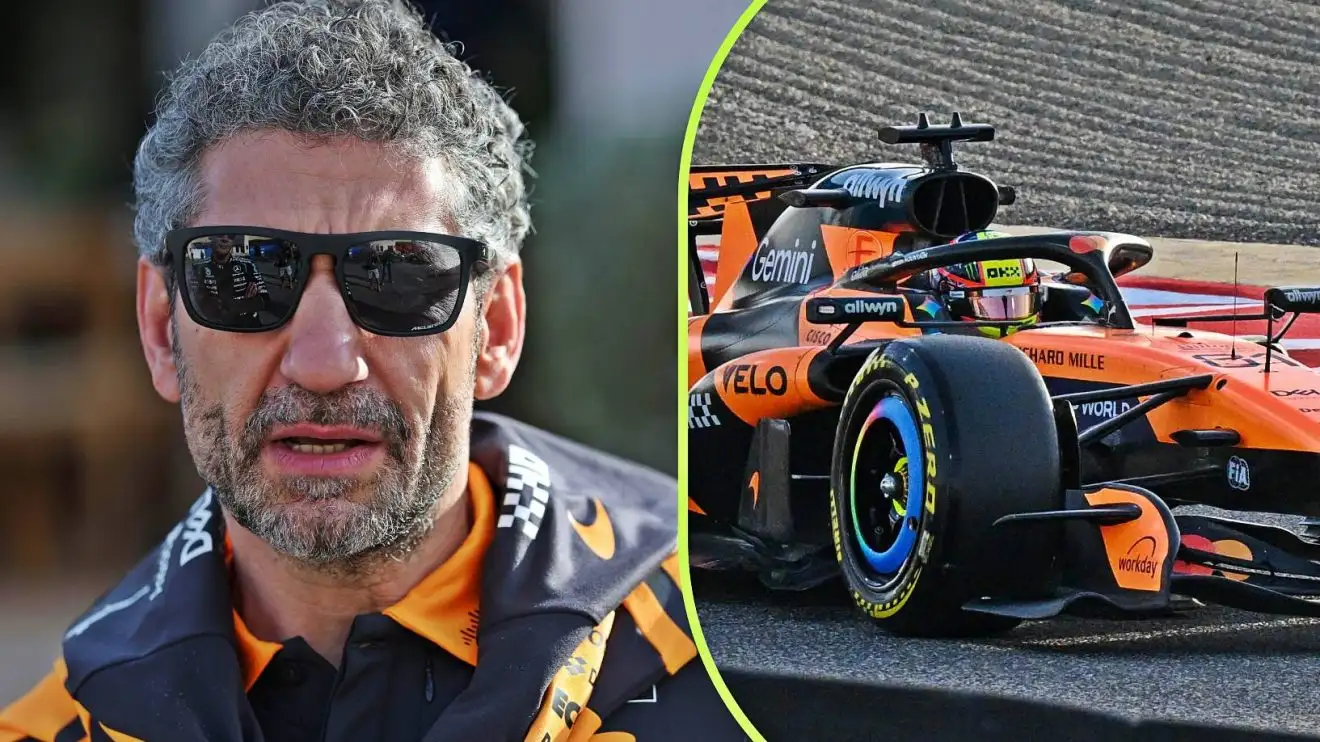
Stella: F1 2026 Still the 'Ultimate Challenge' for Drivers
McLaren's Andrea Stella defends the 2026 F1 regulations, stating the increased car sliding and energy management complexity maintain the sport as the 'ultimate challenge' for drivers, despite concerns from stars like Verstappen about conservation tactics. The need for unusual techniques varies by circuit, and technical solutions like 'super-clipping' are being explored to refine the racing balance.
McLaren Team Principal Andrea Stella asserts that Formula 1 remains the "ultimate challenge" for drivers under the 2026 regulations, despite new techniques like lift-and-coast and energy management altering traditional driving styles. While drivers like Max Verstappen and Lewis Hamilton have expressed concerns about conserving energy, Stella points to increased car sliding and driver involvement as key factors that maintain the sport's pinnacle difficulty.
Why it matters:
The debate over driver skill versus energy management strikes at the heart of Formula 1's identity. As the sport transitions to a new technical era, balancing the raw, on-the-limit racing fans expect with the sophisticated energy systems required for sustainability is a critical challenge. How this balance is struck will define the spectacle and competitive integrity of F1 for years to come.
The Details:
- The 2026 power units require drivers to master unusual techniques for optimal energy harvesting and deployment, which can feel contrary to pure, flat-out racing.
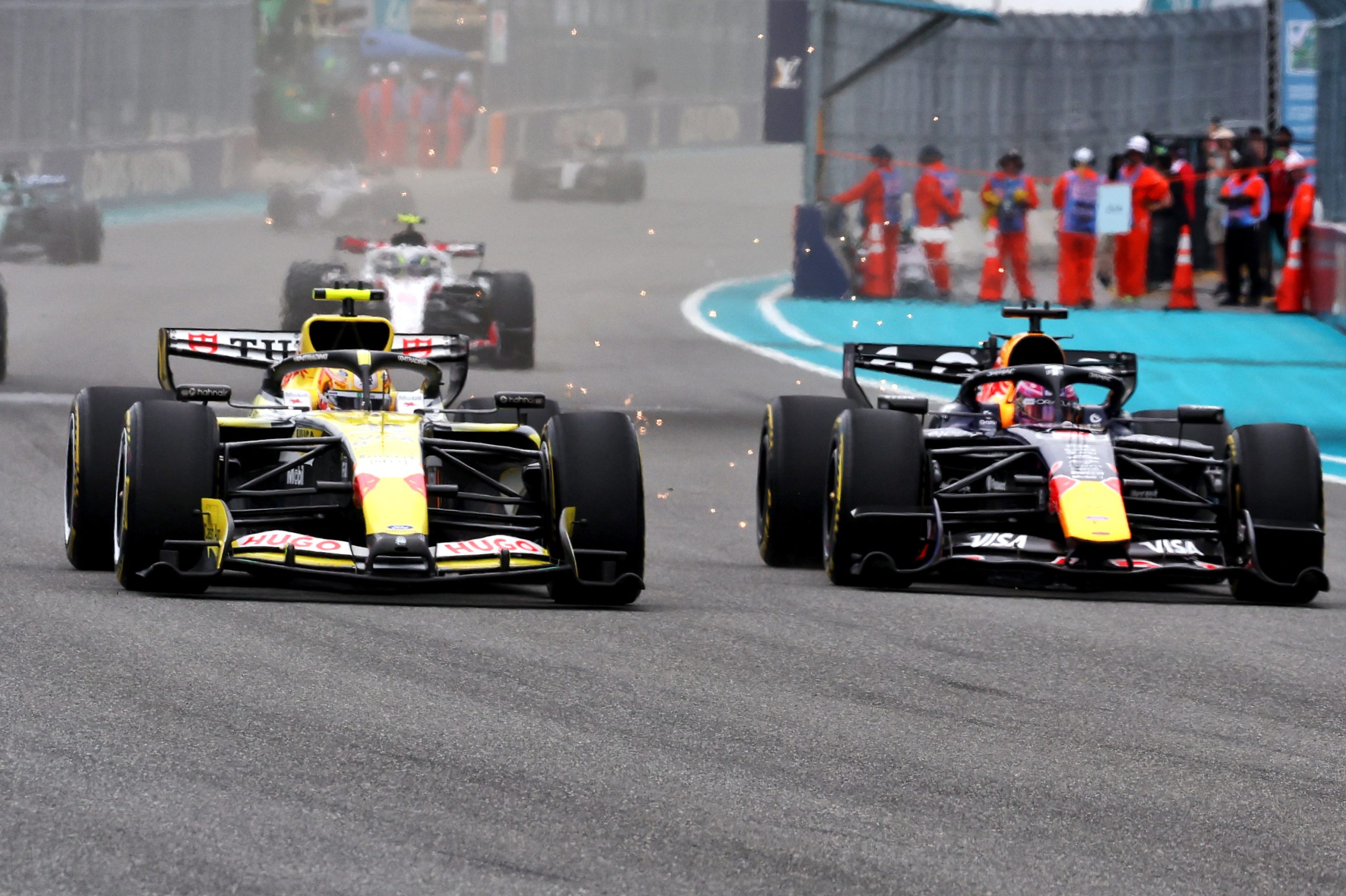
- Driver Feedback: Champions like Verstappen and Hamilton have voiced that constant energy conservation detracts from the spirit of being on the "ragged edge."
- Stella's Counterpoint: Stella argues that the challenge has evolved, not diminished. He notes the 2026 cars "slide quite a lot more," increasing the driver's role in car control and extracting performance.
- Circuit Dependency: The extent of unusual driving maneuvers varies greatly by track. Circuits like Bahrain are "harvest-rich," allowing more normal driving, while venues like Barcelona and Melbourne are "harvest-poor," forcing more pronounced energy-saving techniques.
- Technical Adjustments: A potential fix being explored is "super-clipping"—harvesting energy while at full throttle by adjusting the power split between the ICE and electrical system. McLaren tested raising the current 250kW cap, with the F1 Commission reviewing data for a possible future limit change.
What's Next:
The true character of 2026 racing is still emerging, and the sport has time to adjust. Stella acknowledges that regulations can be tuned to reduce the need for "special manoeuvres" that feel unnatural.
- The upcoming races in Melbourne and Jeddah, with their specific layouts, will provide crucial data on how pronounced energy management will be across the calendar.
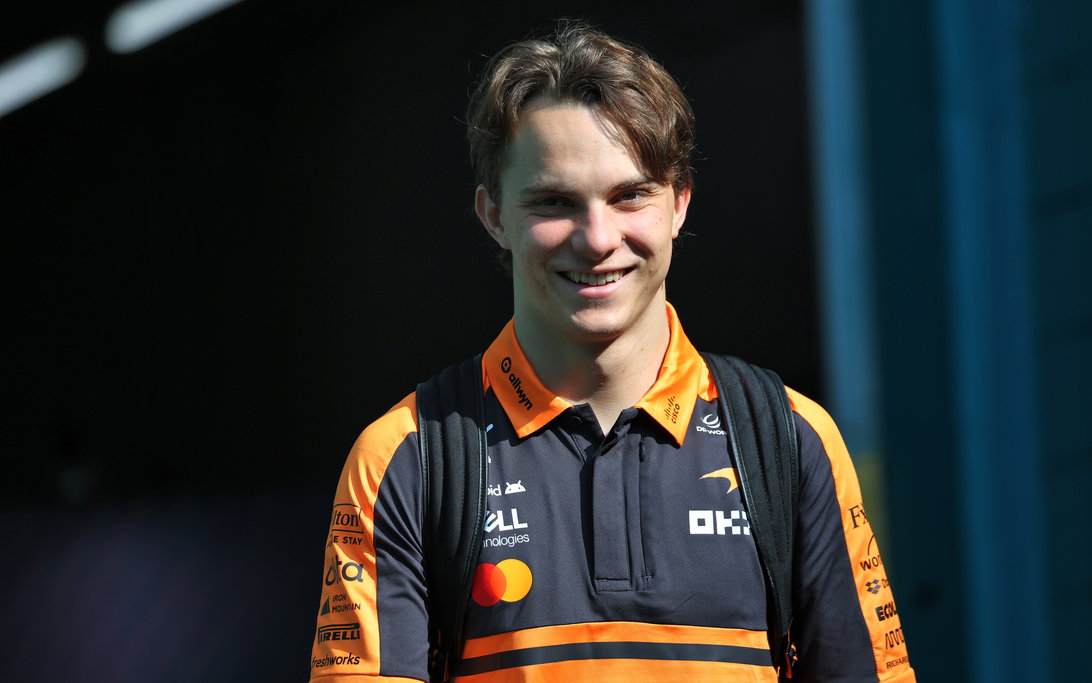
- Teams and drivers, like McLaren's Oscar Piastri, anticipate a steep learning curve and significant differences in approach from one Grand Prix to the next.
- The ongoing evaluation of concepts like super-clipping shows the sport's willingness to refine the racing product, ensuring F1 remains the ultimate test of driver and machine.
Don't miss the next lap
Get the deep dives and technical analysis from the world of F1 delivered to your inbox twice a week.
Zero spam. Only high-octane analysis. Unsubscribe anytime.
Join the inner circle
Get the deep dives and technical analysis from the world of F1 delivered to your inbox twice a week.
Zero spam. Only high-octane analysis. Unsubscribe anytime.