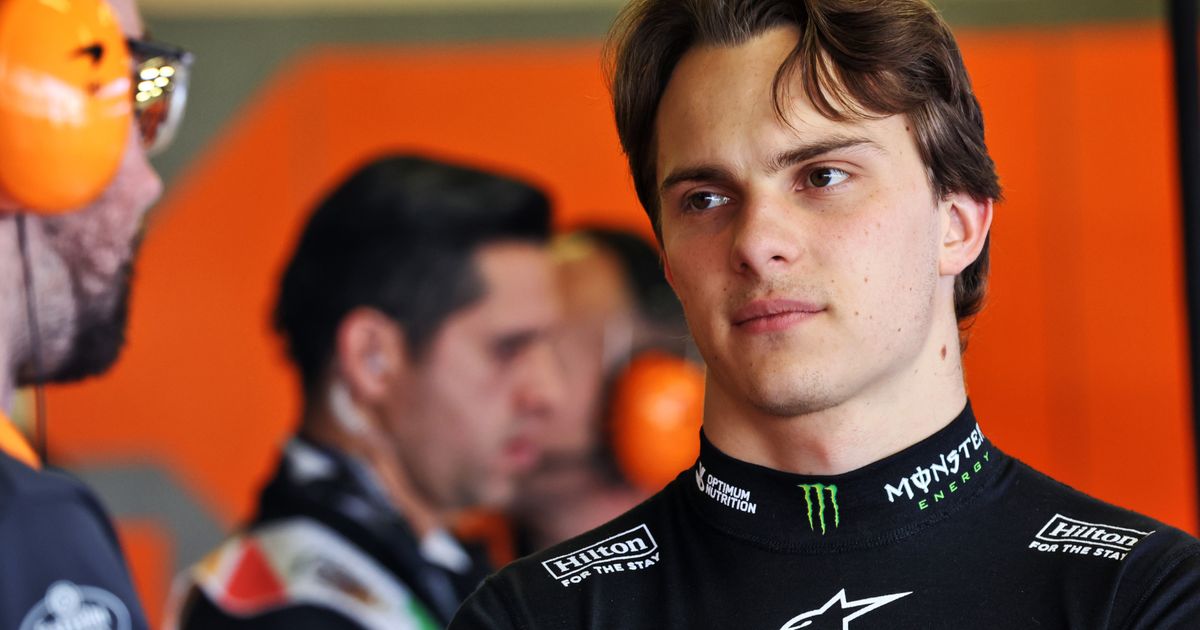
Stella Explains Piastri's Brazilian GP Struggles Against Norris
McLaren's Andrea Stella explained Oscar Piastri's performance deficit to Lando Norris at the Brazilian Grand Prix, citing Piastri's ongoing adaptation to specific driving techniques and the challenging low-grip conditions at Interlagos. While acknowledging Piastri's fast learning, Stella highlighted Norris's natural advantage in such tricky environments, underscoring areas for Piastri's continued development.
McLaren team principal Andrea Stella has shed light on why Oscar Piastri consistently lagged behind teammate Lando Norris throughout the Brazilian Grand Prix weekend, attributing it to adaptation challenges in specific driving techniques and tricky low-grip conditions.
Why it matters:
McLaren's strong late-season form, driven significantly by Lando Norris, highlights the importance of both drivers maximizing the car's potential. Piastri's learning curve in challenging conditions is a critical area for development as McLaren aims to solidify its position as a top contender and challenge for championships in the future. Consistent performance from both drivers is crucial for securing constructor points and maintaining momentum.
The Details:
- Technique Adaptation: Andrea Stella indicated that Piastri is still learning and embedding specific driving techniques required to extract maximum performance, especially in low-grip scenarios. These techniques are similar to those needed in Austin and Mexico, where Piastri also faced challenges.
- Low-Grip Conditions: Interlagos presented particularly tricky, low-grip conditions, exacerbated by unpredictable wind. This made it difficult for drivers to consistently gauge available grip, even catching Lando Norris out in Q3.
- Norris's Advantage: Stella noted that Norris finds it more natural to perform in low-grip regimes, allowing him to produce strong lap times even when the car is sliding.
- Qualifying Gap: Piastri was out-qualified by Norris in all six qualifying segments (Sprint and Grand Prix), averaging a 0.247-second deficit. This indicates a consistent performance gap across different session formats.
- Wet Conditions Impact: During the Sprint, Piastri had a "missed opportunity" due to the unforgiving wet conditions, where even a slight error on a curb could lead to a loss of control. Stella acknowledged this as unfortunate but highlighted Piastri's underlying speed.
What's next:
Despite the Brazilian struggles, Stella expressed confidence in Piastri's rapid learning ability, expecting him to overcome these specific challenges quickly. This period serves as a crucial learning phase for the young Australian, and his ability to adapt will be key as he continues to develop into a consistent front-runner in Formula 1. McLaren will likely focus on helping Piastri refine these techniques in future events to ensure both drivers can extract maximum performance from the car regardless of track conditions.