Stroll Jabs Russell Over New F1 Power Unit Concerns
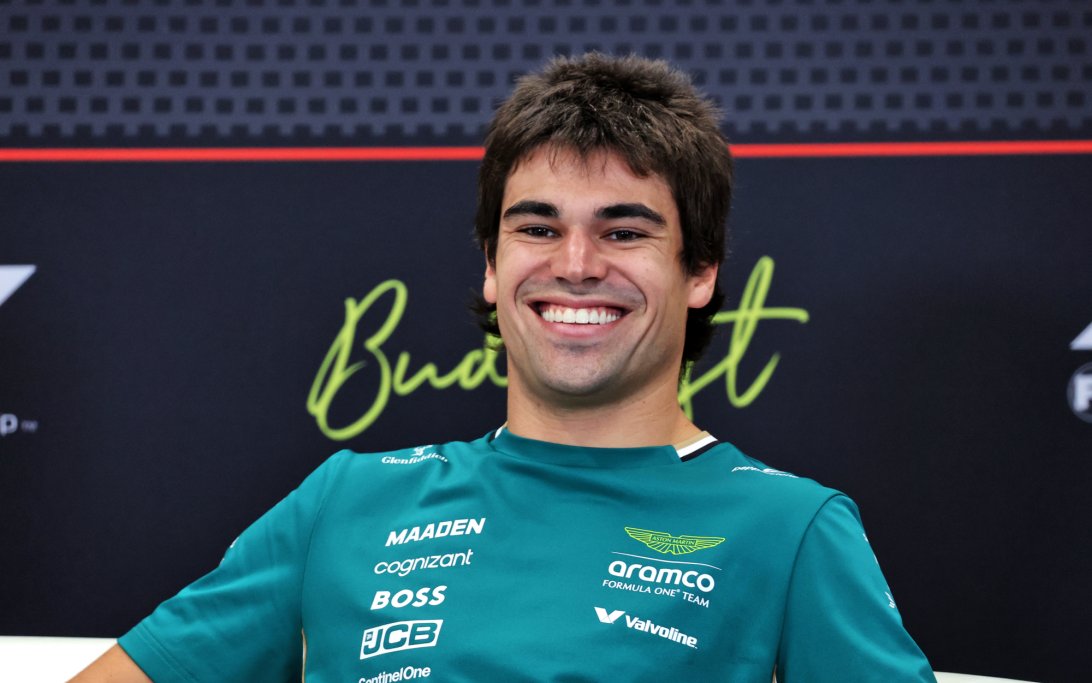
Lance Stroll humorously challenged George Russell's relaxed view on F1's new power unit rules, implying Russell's Mercedes might have an advantage that makes the challenging energy management techniques less problematic. The exchange highlights driver concerns that the 2026 regulations prioritize complex hybrid management over flat-out racing.
Aston Martin's Lance Stroll has humorously questioned George Russell's relaxed stance on Formula 1's new power unit regulations, suggesting the Mercedes driver's opinion might change if his car holds a significant performance advantage. The exchange highlights ongoing driver concerns about the 2026 rules, which may require unnatural techniques like downshifting on straights to manage hybrid energy.
Why it matters:
The debate goes beyond friendly banter, touching on a core tension in modern F1: the balance between advanced hybrid technology and pure racing. If top teams like Mercedes can better manage the new 350 kW energy recovery demands, it could create an even wider performance gap, turning a technical challenge for some into a non-issue for others. Stroll's comments underscore fears that the sport is prioritizing complex energy management over flat-out driving.
The Details:
- George Russell downplayed concerns about the new MGU-K rules, comparing the sensation of downshifting on a straight to driving a road car uphill. He stated it felt "more bizarre in the simulator than it did in reality."
- Lance Stroll responded with pointed sarcasm, suggesting Russell wouldn't mind the awkward technique "when maybe he's winning the race in Australia by 30 seconds in his Mercedes."
- Stroll's jab implies a belief that Mercedes' power unit may be better positioned to handle the new energy deployment and harvesting requirements, reducing the burden on its drivers.
- Other drivers, including Haas's Esteban Ocon, have warned that lift-and-coast techniques could become necessary even in qualifying, further eroding the era of maximum attack.
The Big Picture:
Stroll used the moment to voice a broader frustration shared by several drivers about the evolution of F1. He expressed a longing for an era with naturally aspirated engines, refueling, and tires that allowed constant pushing, contrasting it with the current reality dominated by fuel, tire, and now intricate battery management. This sentiment points to a philosophical divide within the sport regarding its future direction.
What's Next:
The true impact of the 2026 power unit regulations will be revealed when the season begins in Melbourne. Stroll predicts a "big field spread" with new rules, which could validate his skepticism if Mercedes starts with a clear pace advantage. All eyes will be on whether the driving experience becomes a strategic puzzle of energy conservation or if teams quickly adapt to minimize the intrusion on raw performance.
Don't miss the next lap
Get the deep dives and technical analysis from the world of F1 delivered to your inbox twice a week.
Zero spam. Only high-octane analysis. Unsubscribe anytime.
Join the inner circle
Get the deep dives and technical analysis from the world of F1 delivered to your inbox twice a week.
Zero spam. Only high-octane analysis. Unsubscribe anytime.