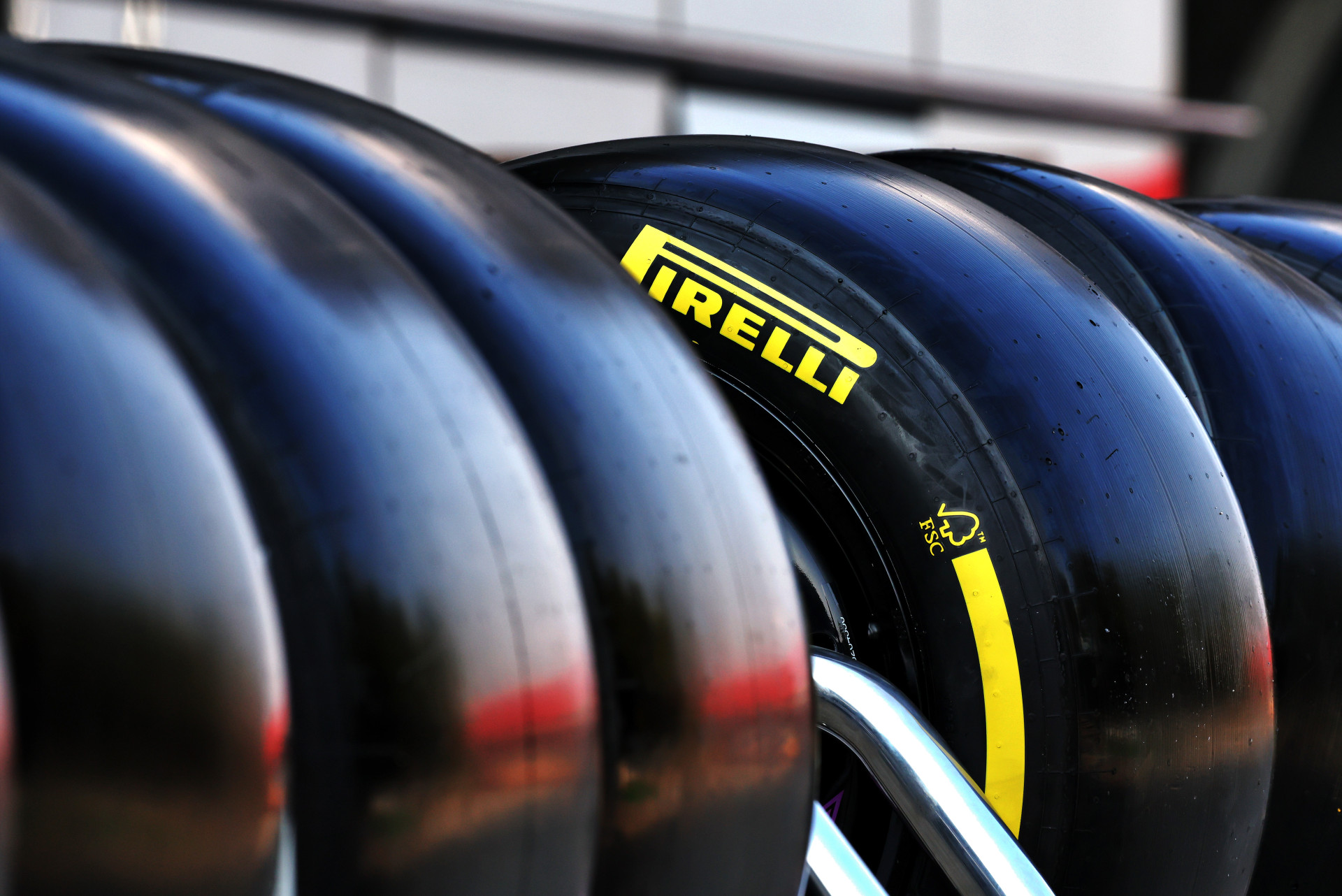
Pirelli Forces Two-Stop Strategy for Qatar GP with New Tyre Rules
Pirelli has implemented a strict 25-lap maximum for all tyre sets at the Qatar Grand Prix, forcing teams into a mandatory two-stop strategy for the 57-lap race. This decision, driven by concerns over excessive tyre wear and structural fatigue observed in previous events on the demanding Lusail circuit, aims to enhance safety and prevent teams from pushing tyre limits too far. The new rule will significantly impact race strategies, promising an intriguing and strategically complex weekend.
Pirelli has mandated a two-stop strategy for the upcoming Qatar Grand Prix, imposing a strict 25-lap maximum on all tyre sets. This decision stems from a thorough analysis of previous races, particularly last year's event, which revealed significant tyre wear and structural fatigue on the demanding Lusail International Circuit.
Why it matters:
F1's governing body and Pirelli are prioritizing driver safety and tyre integrity by enforcing these stringent limits. The high-speed, sweeping corners of the Lusail track put immense stress on tyres, and concerns over teams pushing stint lengths beyond safe limits have led to this preventative measure. This rule change will fundamentally alter race strategies, ensuring more pit stops and potentially more unpredictable outcomes, while also highlighting the ongoing challenge of tyre management in modern F1.
The Details:
- 25-Lap Maximum: Pirelli's technical document for the Qatar Grand Prix specifies that each tyre set can complete a maximum of 25 cumulative laps across all sessions. This includes laps under Safety Car or Virtual Safety Car conditions.
- Mandatory Two-Stop Race: With the main race distance at 57 laps, the 25-lap limit per set means that a minimum of two pit stops will be unavoidable for every driver. The 23-lap sprint race, however, can still be completed on a single tyre set.
- Wear Analysis: The restriction was introduced following inspections of 2024 tyres, which showed several sets—especially the front-left—had reached maximum wear. Pirelli noted an 'increased structural fatigue of the construction' due to the high-energy demands of the Lusail layout.
- Preventing Extended Stints: Pirelli's explanation stated that teams' efforts to manage degradation and limit performance drop-off sometimes led to extending stints beyond the safe life of the tyre, necessitating this 'very demanding' measure.
- Prior Precedent: This isn't the first time F1 has imposed stint limits in Qatar. An 18-lap maximum was introduced in 2023 due to micro-lacerations from repeated kerb strikes. While those specific kerb issues were addressed for 2024, tyre wear remains a critical factor at the circuit.
- Hardest Compounds: To complement the new limit, Pirelli will again bring its hardest compounds: C1 (hard), C2 (medium), and C3 (soft). For the sprint weekend format, drivers will receive two sets of hards, four of mediums, and six of softs.
Looking Ahead:
This proactive decision by Pirelli, made in agreement with the FIA and Formula 1, is a precautionary measure rather than a response to new failures. It underscores the ongoing scrutiny of tyre performance and safety at circuits with unique demands. The Qatar Grand Prix, the second race of the season's final triple-header, will now see teams adapt their strategies to this enforced two-stop minimum, potentially adding an extra layer of strategic complexity to an already challenging race weekend.