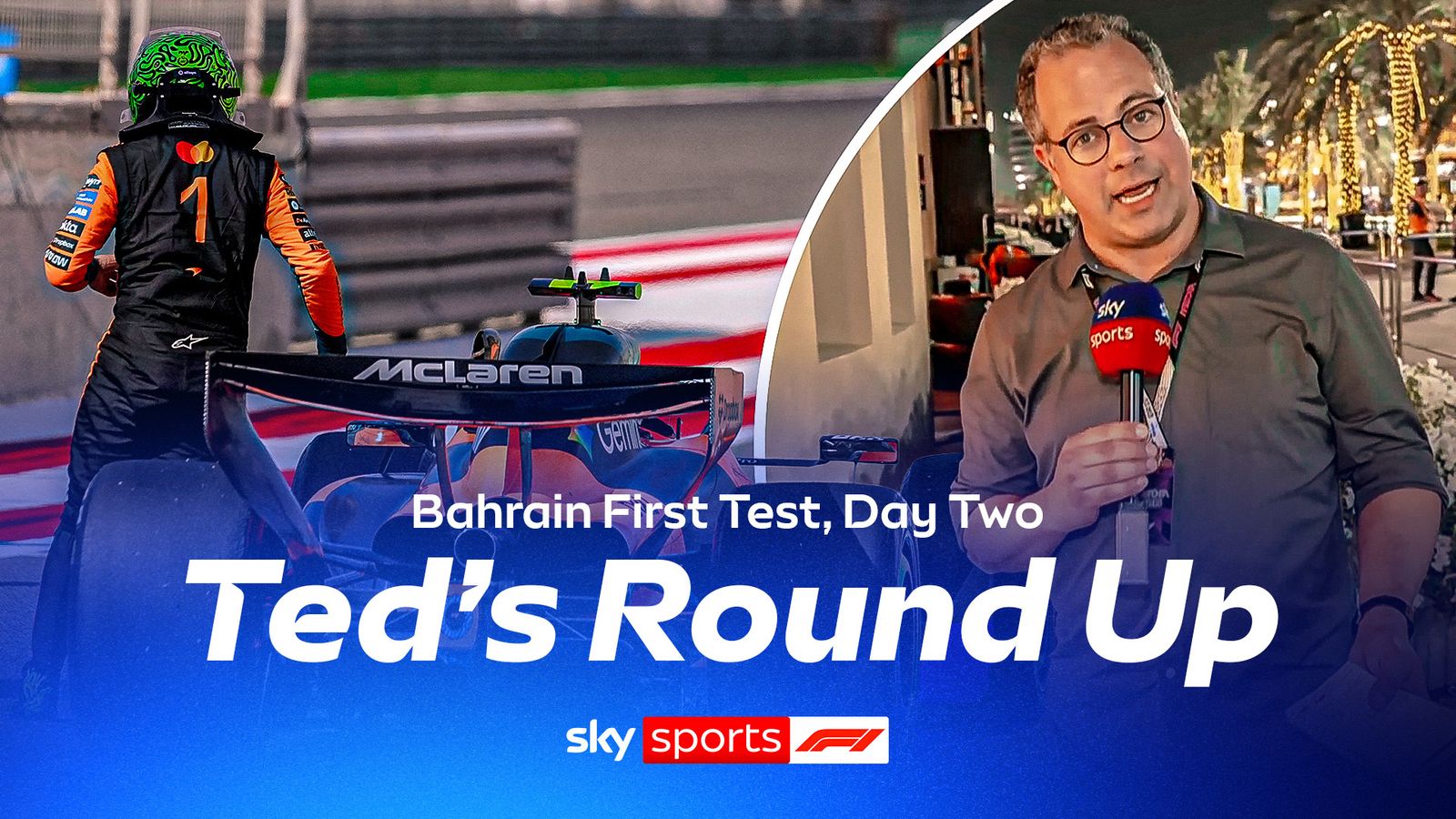
Ted Kravitz's team-by-team analysis from Day 2 of Bahrain testing
Ted Kravitz breaks down the key performances from Day 2 of F1 testing in Bahrain. While Ferrari's Charles Leclerc set the fastest time, Red Bull's race simulation pace looked ominously strong. The day revealed improved stability for Ferrari and Mercedes, but Alpine suffered significant reliability setbacks.
The second day of pre-season testing in Bahrain saw teams push their 2024 cars into more representative race simulations, with reigning champions Red Bull maintaining a strong, ominous pace while others showed flashes of potential and persistent concerns. Ferrari's Charles Leclerc topped the timesheets, but the true story unfolded in the long-run data and reliability checks across the grid.
Why it matters:
Pre-season testing is the only real-world benchmark teams have before the competitive season begins. Performance trends, reliability gremlins, and initial car balance observed here set the narrative for the opening races. While headline lap times can be deceptive due to fuel loads and engine modes, consistent long-run pace and driver feedback offer crucial clues about which teams might have closed the gap to Red Bull.
The details:
Ted Kravitz's paddock observations from Sky Sports F1 highlighted key takeaways from each garage:
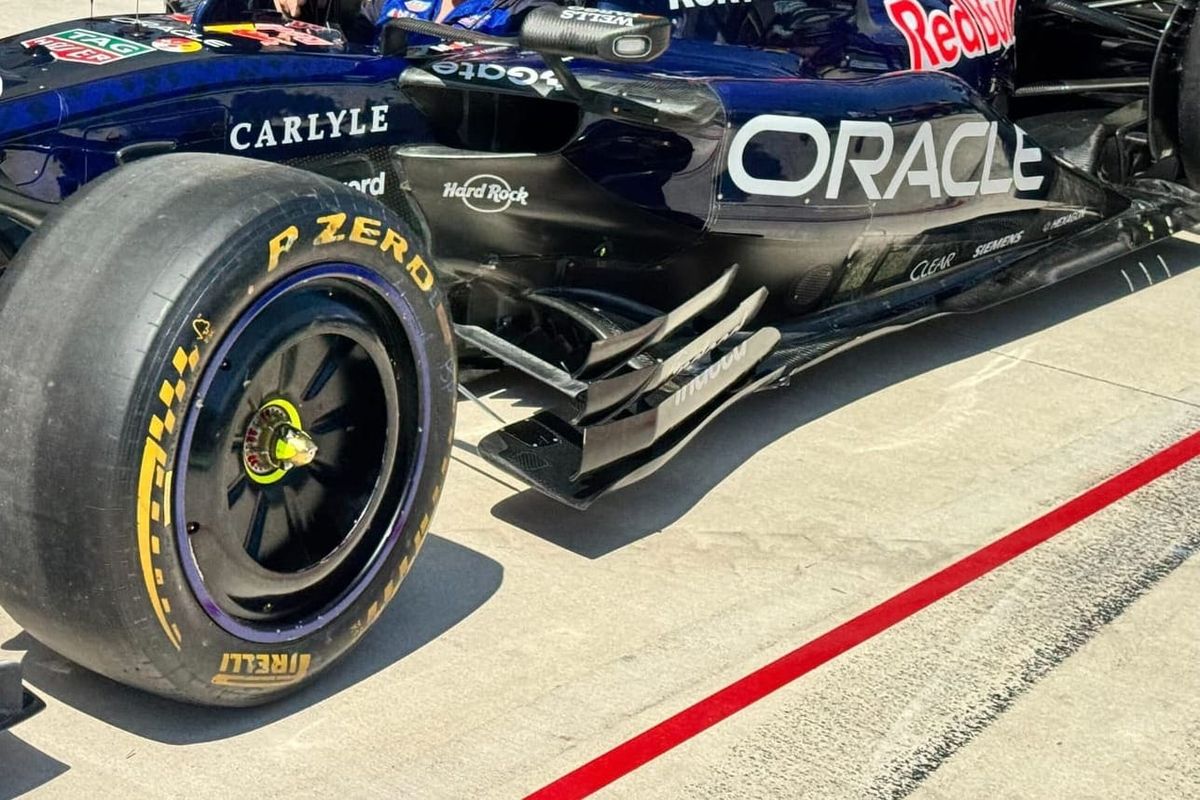
- Red Bull (Max Verstappen / Sergio Pérez): The RB20 continued to look like the class of the field. Its pace on various tire compounds during race simulations was consistently strong, and the car appeared stable and planted. The mood in the garage was one of quiet confidence.
- Ferrari (Charles Leclerc / Carlos Sainz): Topping the timesheet with Leclerc was a positive signal. More importantly, the SF-24 was reported to be a much more predictable and driver-friendly car than its predecessor, addressing a major weakness. Long-run pace looked solid, suggesting a step forward.
- Mercedes (George Russell / Lewis Hamilton): The W15 showed signs of being a more stable platform, but the team was still experimenting with setup to find the optimal window. Russell completed a large number of laps, focusing on data collection, though outright single-lap speed remained a question mark.
- McLaren (Lando Norris / Oscar Piastri): The MCL38 appeared to be a solid evolution, with Norris reporting good feelings. The team focused on aerodynamic testing and understanding the new car's characteristics, showing respectable but not headline-grabbing pace.
- Aston Martin (Fernando Alonso): The AMR24 ran reliably, with Alonso putting in a marathon stint. The car seemed to be a stable platform for development, though its position relative to the very front remained unclear.
- Alpine (Pierre Gasly / Esteban Ocon): A difficult day for the French team, which encountered reliability issues that significantly limited its track time. This was a major setback for a team needing every lap to understand its heavily revised A524.
- Williams (Alexander Albon / Logan Sargeant): The team concentrated on mileage and reliability after a disrupted first day. The FW46 showed improved driveability, a key target, but its ultimate pace is still an unknown.
- VCARB (Daniel Ricciardo / Yuki Tsunoda): The newly renamed team had a solid, quiet day of data gathering with Ricciardo. The car, a heavy evolution of last year's AlphaTauri, appeared to be a stable base.
- Sauber (Valtteri Bottas / Zhou Guanyu): Running under the Stake F1 Team name, the C44 completed its program reliably. The team worked through setup changes, with no major dramas but no standout performance either.
- Haas (Nico Hülkenberg / Kevin Magnussen): The American team focused on long runs and tire understanding, a critical area of weakness in 2023. Early feedback suggested some progress, but the true test will come in qualifying trim.
What's next:
The final day of testing on Thursday offers a last chance for teams to conduct qualifying simulations and fine-tune their packages before the clock truly starts next week. The pecking order will begin to crystallize, but the full picture will only be revealed under the pressure of Q3 in Bahrain. All eyes will be on whether any team can demonstrate a long-run pace that genuinely threatens the ominous rhythm of the Red Bull.
Don't miss the next lap
Get the deep dives and technical analysis from the world of F1 delivered to your inbox twice a week.
Zero spam. Only high-octane analysis. Unsubscribe anytime.
Join the inner circle
Get the deep dives and technical analysis from the world of F1 delivered to your inbox twice a week.
Zero spam. Only high-octane analysis. Unsubscribe anytime.
Continue Reading
View More News