Telemetry glitch causes false 'super clipping' speed display in China
A telemetry failure during F1's Chinese Grand Prix Sprint Qualifying caused Kimi Antonelli's onboard speed graphic to freeze, misleading fans into thinking his Mercedes maintained high speed during the controversial "super clipping" maneuver. The technical glitch sparked social media backlash and accusations of broadcast manipulation before being explained as a simple data dropout.
A telemetry failure during Sprint Qualifying in Shanghai caused Kimi Antonelli's onboard speed display to freeze, creating the false impression that his Mercedes was maintaining high speed during the controversial "super clipping" maneuver. The technical glitch, occurring at a weak data point at Turn 14, led to widespread speculation on social media that the broadcast was manipulating footage to downplay the speed loss from the aerodynamic tactic.
Why it matters:
The incident highlights how technical errors in F1's complex data systems can quickly fuel fan theories and accusations of bias, especially around contentious technical directives like the one governing "super clipping." Transparency in broadcasting is crucial for maintaining the sport's integrity, and unexplained anomalies can undermine trust in the presentation of the competition.
The details:
- During Antonelli's SQ3 lap, fans noticed his onboard graphic displayed a frozen speed of 325 kph even as his car visibly slowed for the Turn 14 hairpin, a corner associated with the "super clipping" technique.
- "Super clipping" involves drivers intentionally exceeding track limits at certain corners to carry more speed, a practice that has been heavily criticized for compromising sporting integrity.
- The discrepancy between the frozen graphic and the car's visible deceleration led to online accusations that F1's world feed was doctoring data to make the speed loss from "super clipping" appear less severe.
- The actual cause was a localized telemetry failure at that specific corner, which caused the speed number on the broadcast graphic to stop updating temporarily.
- The glitch was isolated and not indicative of any broader manipulation or issue with the car's actual performance data.
The big picture:
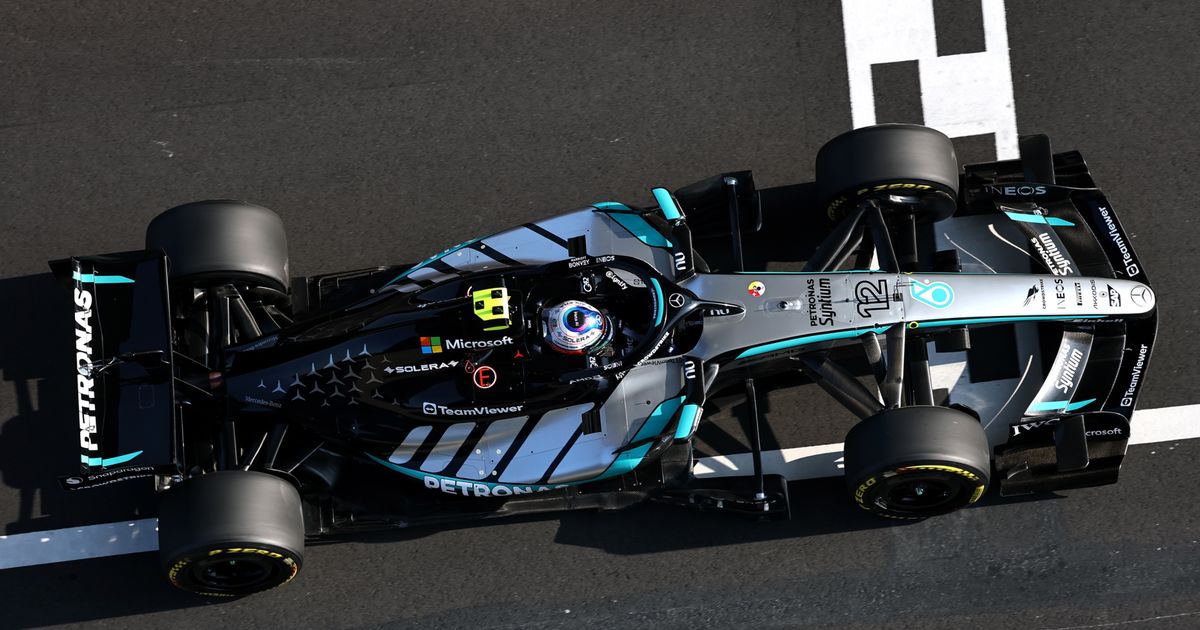
This event occurred against the backdrop of another dominant Mercedes performance, with George Russell taking Sprint pole ahead of teammate Lewis Hamilton. The technical narrative, however, was overshadowed by the fan reaction to the visual anomaly. It underscores the intense scrutiny F1 broadcasts are under and how quickly isolated technical faults can spiral into larger controversies in the digital age, particularly when they intersect with existing fan grievances about regulations and perceived inconsistencies.
What's next:
While the specific telemetry glitch has been identified, it places a spotlight on the reliability of the sport's real-time data systems. Broadcasters and F1's technical delegates will likely review data integrity protocols to prevent similar misleading displays in the future. The incident also adds another layer to the ongoing debate about "super clipping" and how its effects are communicated to the global audience.
Don't miss the next lap
Get the deep dives and technical analysis from the world of F1 delivered to your inbox twice a week.
Zero spam. Only high-octane analysis. Unsubscribe anytime.
Join the inner circle
Get the deep dives and technical analysis from the world of F1 delivered to your inbox twice a week.
Zero spam. Only high-octane analysis. Unsubscribe anytime.
Continue Reading
View More News