The Art and Engineering Behind F1 Trophy Design
Formula 1 trophy design is a meticulous, multi-month process governed by F1 guidelines on size, weight, and hierarchy, yet allowing vast creative freedom to reflect a race's unique culture. From initial design ownership by sponsors or circuits to complex manufacturing involving 3D printing, bronze casting, and integrated electronics, each trophy is crafted to be a lasting icon, balancing tradition with modern innovation while ensuring winners can hoist them proudly.
Formula 1 podium celebrations are synonymous with champagne sprays and distinctive trophies. However, the journey from concept to podium for these coveted awards is an intricate process, beginning months before the engines roar to life on race day. This behind-the-scenes look reveals the meticulous guidelines, creative freedoms, and technical challenges involved in crafting F1's iconic symbols of victory.
Why it matters:
Beyond being mere prizes, F1 trophies are tangible representations of a Grand Prix's unique identity, history, and the pinnacle of motorsport achievement. Their design not only celebrates the winners but also encapsulates the spirit of the host city and the evolving aesthetics of the sport, offering fans and drivers a lasting visual icon.
The Details:
- Design Ownership: The right to design an F1 trophy typically falls to one of three parties: the race's title sponsor, the national sporting authority (like the Japan Automobile Federation), or the circuit itself, in that order of priority.
- F1 Guidelines: The sport imposes strict specifications for trophies:
- Size and Weight: Trophies must fall within a specific range of sizes and have a weight limit, ensuring drivers can lift them without struggle, even after an exhausting race.
- Placement Tiers: Winner's trophies must be larger than those for second and third place.
- Mandatory Elements: Specific logos and designations are required to be featured on the trophies.
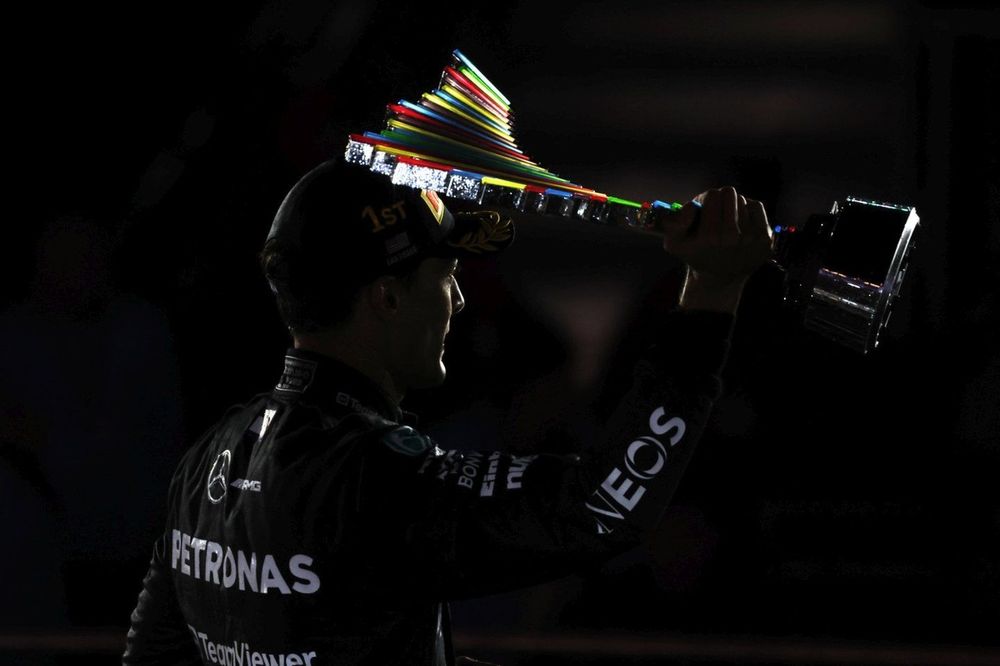
- Creative Freedom: Beyond these parameters, designers have considerable leeway to create awards that reflect the host city's unique culture and spirit. For example, the Las Vegas Grand Prix trophy incorporates elements inspired by the local geology and the city's vibrant neon lights.
- Manufacturing Process: The creation of a modern F1 trophy is a complex engineering feat:
- Base Fabrication: The base often begins with a 3D print, then is manufactured from bronze and treated with solutions like ferric nitrate for unique finishes (e.g., a sandstone effect).
- Main Body: Components like 3D-printed resin tops are chrome-plated. For the Las Vegas trophy, bright white LEDs are housed inside to illuminate openings through neon-colored lenses.
- Powering Lights: Rechargeable battery packs are installed in the base to power any integrated lighting elements.
- Protection: Once complete, trophies are housed in custom aircraft aluminum cases for protection until they are needed on the podium.
Between the lines:
Incorporating elements like LED lighting, as seen in the Las Vegas trophy, adds significant complexity and cost to the design and production process. However, according to Ken Ozawa, Creative Director for Las Vegas Grand Prix Inc., these elements are deemed essential for capturing the unique energy and visual identity of the host city, making the trophy an extension of the event experience itself.
Looking Ahead:
While some circuits like Zandvoort and Albert Park opt for historic or perpetual trophy designs, newer races or those seeking to establish a distinct brand, like Las Vegas, invest heavily in bespoke creations. A successful trophy design is often retained for several years to become a recognizable icon of the race, though potential pressures from sponsors or a desire for an updated aesthetic could lead to new iterations in the future. The balance between tradition, innovation, and adherence to F1's guidelines remains key to crafting these enduring symbols of victory.