The Driver's Eye: What F1 Testing Really Reveals at Turn 10
Haas reserve driver Jack Doohan reveals the key challenge of 2026 F1 testing: a violent, car-unsettling downshift into first gear required by new engine rules. His expert trackside analysis at Bahrain's Turn 10 shows which teams are mastering it and which are struggling, offering an early glimpse at the new competitive hierarchy.
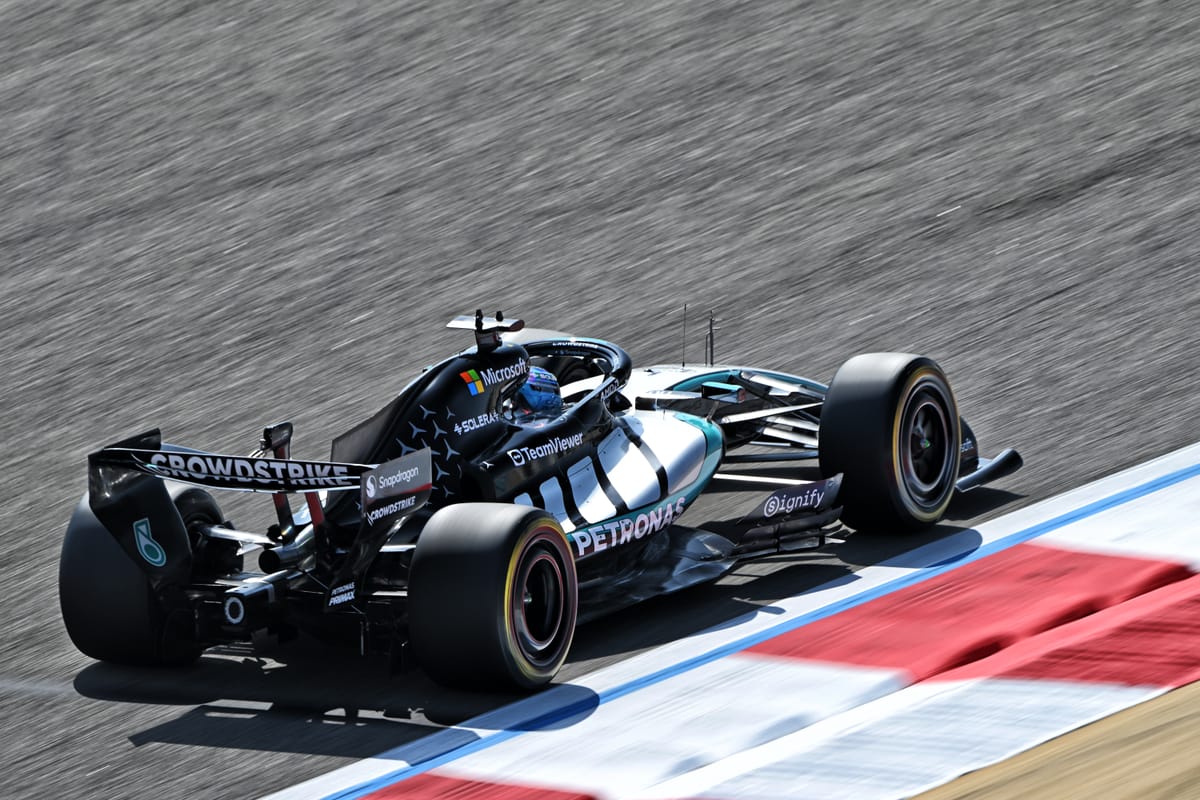
A trackside view during F1 testing offers a glimpse, but only a driver's expertise can truly decode the subtle struggles and strengths hidden in a car's behavior. Former Alpine driver and current Haas reserve Jack Doohan provided that crucial insight at Bahrain's Turn 10, highlighting a key 2026 challenge: the aggressive, instability-inducing downshift into first gear.
Why it matters:
The 2026 cars have introduced a new technical puzzle where teams must manage a violent engine braking effect from early first-gear downshifts. How well a car handles this dictates not just lap time but driver confidence and tire management. Doohan's analysis reveals which teams—like Red Bull—are mastering it and which, like Aston Martin and Audi, are visibly struggling, offering an early indicator of competitive order.
The Details:
- The First-Gear Phenomenon: A major 2026 regulation change, removing the MGU-H, requires drivers to downshift to first gear much earlier in corners like Turn 10 to spin the turbo and charge the battery. This creates a severe engine braking effect that can destabilize the car.
- Team-by-Team Performance: Doohan observed clear differences in how teams coped.
- Red Bull (and Mercedes/McLaren): Managed the downshift "very, very well," with minimal instability, though even their cars showed slight rear struggles on long runs.
- Aston Martin & Williams: Appeared to be "struggling a little bit more" and not in an optimal operating window.
- Audi: Showed dramatic rear instability on the downshift early in testing but improved over the three days.
- Racing Bulls: Suffered from the same engine as Red Bull but handled the aggressive downshift demands noticeably worse, leading to a car that looked "hard work" all week.
- Cadillac: On long runs, appeared fundamentally grip-limited on both axles, lacking traction and the trust to push, potentially indicating an aerodynamic shortfall.
- The Turn 10 Vantage Point: This bumpy, off-camber corner is ideal for spotting car imbalances, how drivers combine braking and steering, and sensitivity to locking under the new active aero rules.
Between the lines:
Doohan's explanation underscores that a car's behavior is a complex compromise. Solving the first-gear instability isn't as simple as changing a gear ratio, as that would create problems for pit stops and race starts. The performance gap between Red Bull and its sister team, Racing Bulls, with the same engine, highlights the critical role of the car's chassis and platform in mitigating the engine's harsh effects. What looks like a driver error or a simple balance issue to the untrained eye is often a deep-rooted technical limitation.
What's next:
This first-gear challenge will be a persistent theme of the 2026 season, a new variable teams will develop around. Doohan's trackside guide—focusing on key slow and medium-speed corners during qualifying simulation windows—provides a blueprint for what to watch in the final pre-season test and at the opening races. The teams that have already found a stable solution, like Red Bull, may have secured a significant early advantage.