Thermal Warfare: Rivals Unite to Challenge Mercedes' Engine Interpretation
Mercedes' F1 rivals are uniting to force a change in how engine compression ratios are checked, arguing current 'ambient temperature' tests mask a potential performance advantage. They aim to mandate hot-engine checks before the Australian GP, setting up a major technical and political clash.
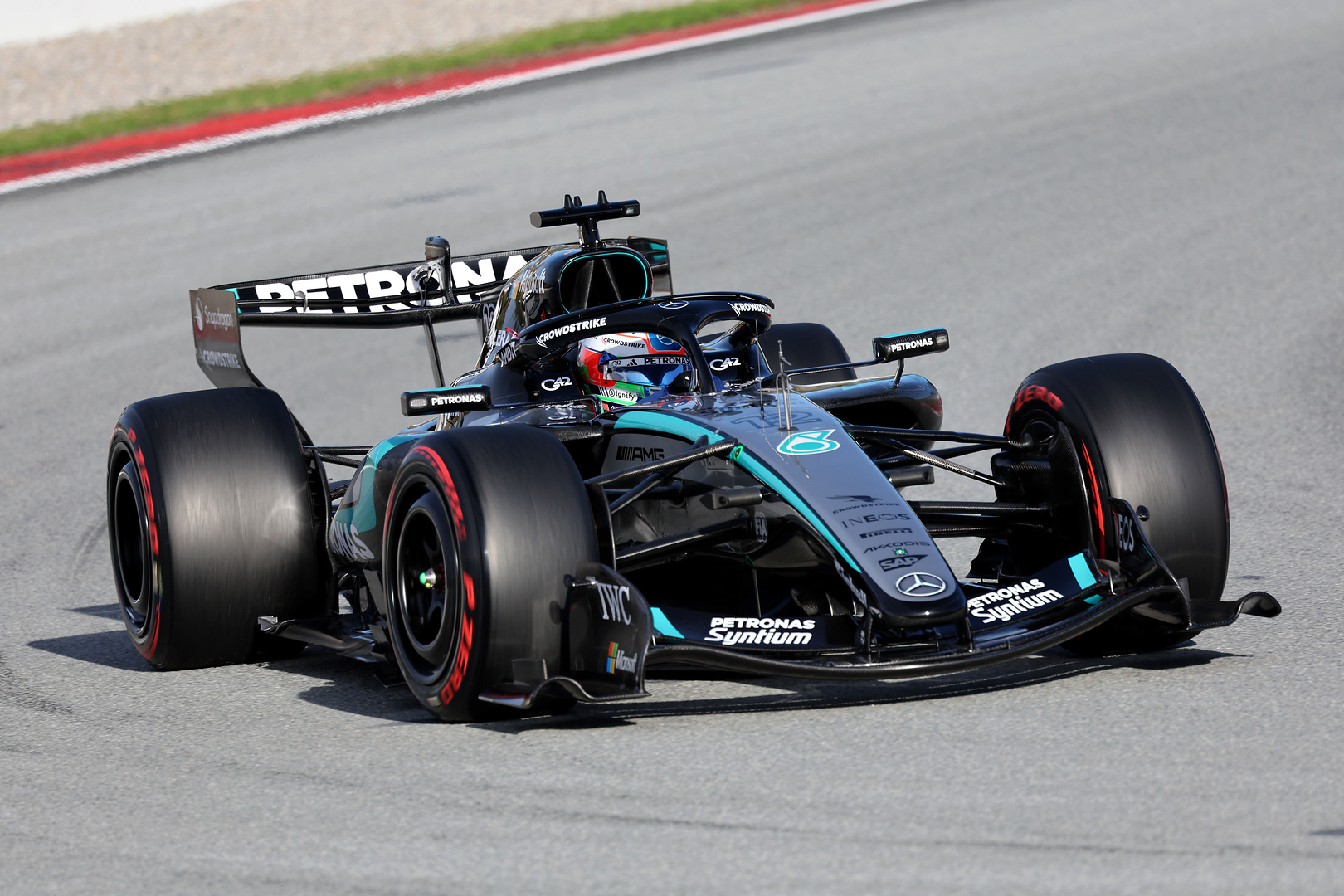
Mercedes' Formula 1 rivals are forming a unified front to challenge the team's interpretation of engine compression ratio rules, seeking a procedural change before the season-opening Australian Grand Prix. The core dispute centers on whether compliance checks should be done on hot engines rather than in ambient conditions, a shift that could neutralize a perceived Mercedes advantage.
Why it matters:
This technical dispute has escalated into a significant political battle that could reshape the competitive order before the 2026 season even begins. The outcome will test the FIA's regulatory consistency and set a precedent for how engine rules are interpreted and enforced, with major implications for the power unit development race.
The details:
- Rivals suspect Mercedes' power unit operates at a higher compression ratio on track than during official ambient-temperature checks, potentially exploiting a regulatory gray area.
- Despite recent formal meetings, including a session of the Power Unit Advisory Committee (PUAC), the FIA has maintained the status quo for compliance checks.
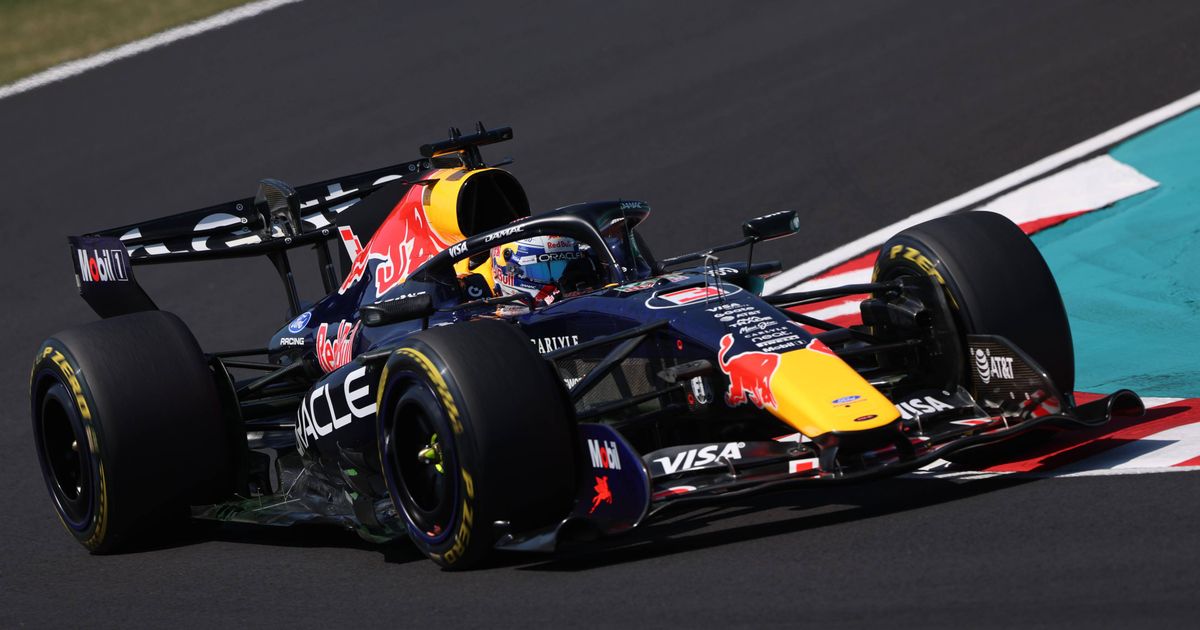
- Opposing manufacturers—Ferrari, Audi, and Honda, with Red Bull potentially joining—are now crafting a joint proposal to mandate hot-engine checks. Their goal is to secure a super-majority vote (4 out of 5 manufacturers) to force a rule tweak.
- Proposed technical solutions include installing real-time sensors on track or conducting mandatory garage tests at operating temperature.
- Mercedes Team Principal Toto Wolff maintains the team's power unit is "legal" and fully complies with the regulations as written and interpreted by the FIA.
What's next:
With a March 1 homologation deadline locking in power unit designs, a pre-Australia rule change appears unlikely. The more plausible scenario is a longer-term adjustment for 2027, allowing time for redesigns. However, the unified push from rivals ensures this issue will remain a high-stakes flashpoint, with Melbourne poised as the first potential battleground for protests or further political maneuvering.
Don't miss the next lap
Get the deep dives and technical analysis from the world of F1 delivered to your inbox twice a week.
Zero spam. Only high-octane analysis. Unsubscribe anytime.
Join the inner circle
Get the deep dives and technical analysis from the world of F1 delivered to your inbox twice a week.
Zero spam. Only high-octane analysis. Unsubscribe anytime.
Continue Reading
View More News