Ticktum Joins Verstappen in Criticizing 2026 F1 Regulations as 'Formula E on Steroids'
Formula E driver Dan Ticktum has sided with Max Verstappen in criticizing F1's planned 2026 regulations, calling the cars an unfulfilling compromise. He argues the sport should champion internal combustion engines for pure spectacle, leaving electric development to other series, and fears the new rules please no one.
Dan Ticktum has echoed Max Verstappen's criticism of Formula 1's 2026 technical regulations, questioning the sport's direction and suggesting the new cars represent an unsatisfying middle ground that fails to please traditional fans. The Formula E race winner argues the championship should prioritize the spectacle of internal combustion engines, leaving electric power development to other series.
Why it matters:
The vocal criticism from prominent drivers like Verstappen, and now from a driver within the broader F1 ecosystem like Ticktum, highlights a growing philosophical debate about the sport's future. As F1 balances technological relevance with its core sporting identity, these concerns touch on whether the new regulations will deliver the raw, engaging spectacle that has defined the championship's appeal for decades.
The details:
- Driver Criticism: Max Verstappen set the tone during Bahrain testing, describing the 2026 prototype driving experience as focused on energy harvesting and deployment rather than pure racing, labeling it "Formula E on steroids" and claiming it was "not a lot of fun."
- Ticktum's Perspective: Dan Ticktum, a Formula E race winner and former F2 driver, agreed with the sentiment. He argued that F1 should be a sport that caters to "petrolheads" who want to see powerful, screaming engines and cars that are physically demanding to drive.
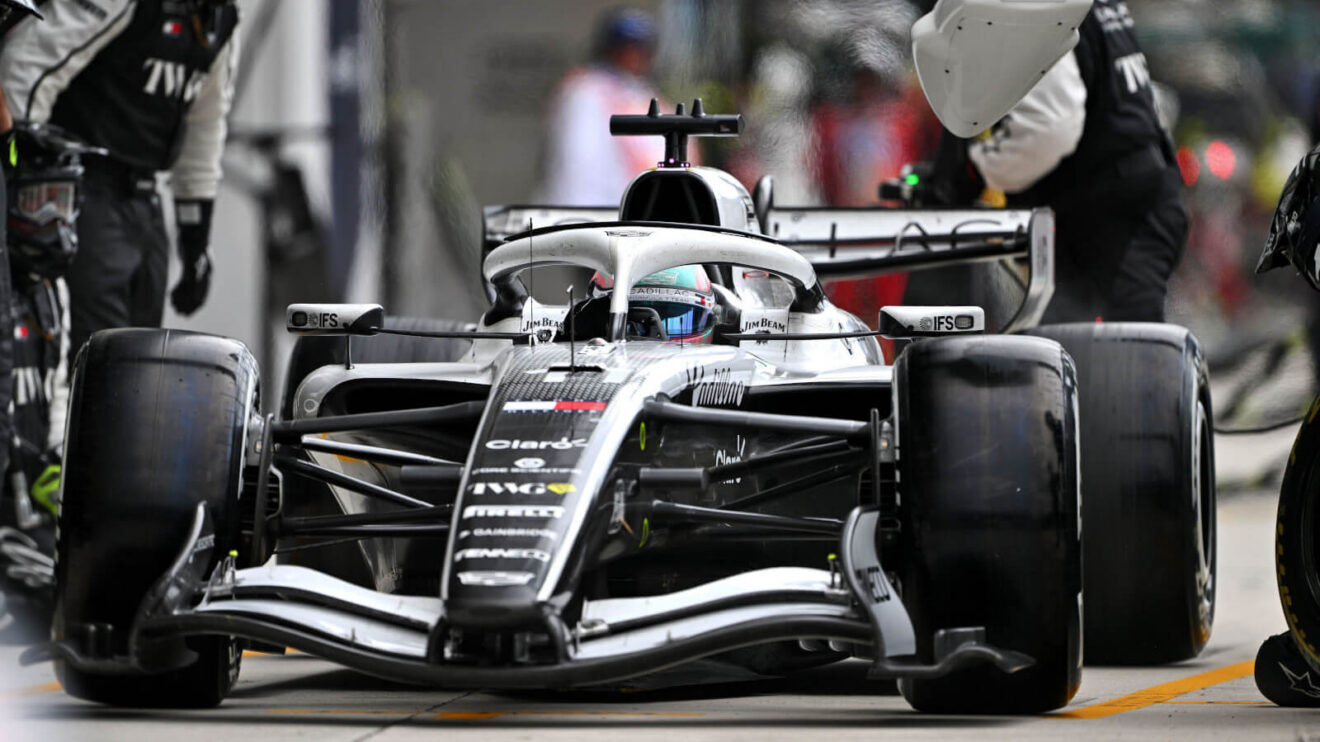
- The Core Argument: Ticktum expressed concern that the 2026 rules—which feature smaller, lighter cars with a substantially greater reliance on electrical energy and power management—create a "middle ground" that doesn't truly satisfy anyone. He believes the electric transition should be led by Formula E, allowing F1 to remain a bastion for internal combustion engine development and spectacle.
- The Identity Question: Underlying the comments is a question of identity: should F1 primarily be a platform for peak automotive sport and emotion, or the leading edge of road-relevant hybrid power unit technology? The 2026 rules heavily emphasize the latter.
What's next:
The debate is unlikely to subside as more drivers experience the 2026 simulations and the final regulations are solidified. While the FIA and FOM are committed to the sustainable technology path, significant pressure from drivers and fans may influence finer details surrounding drivability and spectacle. The ultimate reception will hinge on whether the 2026 cars can deliver close racing and driver challenge despite the complex energy management, proving the critics wrong.
Don't miss the next lap
Get the deep dives and technical analysis from the world of F1 delivered to your inbox twice a week.
Zero spam. Only high-octane analysis. Unsubscribe anytime.
Join the inner circle
Get the deep dives and technical analysis from the world of F1 delivered to your inbox twice a week.
Zero spam. Only high-octane analysis. Unsubscribe anytime.
Continue Reading
View More News