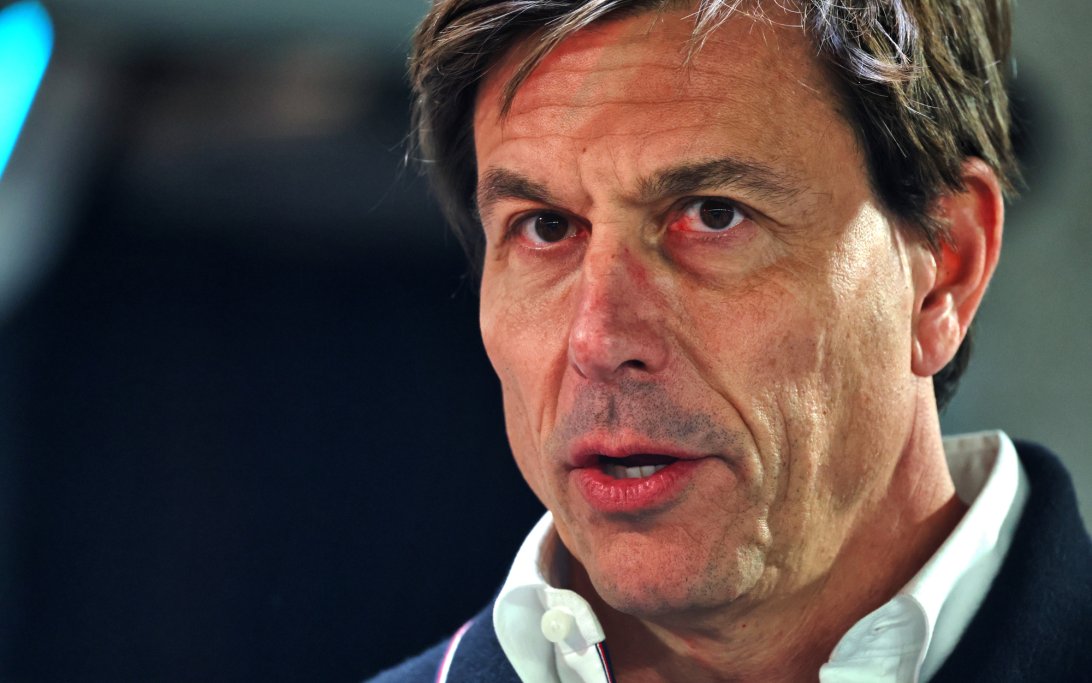
Toto Wolff Sees Barcelona Overtake as Major Clue for 2026 F1 Racing
Mercedes boss Toto Wolff cites a testing overtake with a huge speed gap as evidence that 2026's new energy deployment rules will revolutionize F1 racing, adding a critical tactical layer and potentially increasing overtaking.
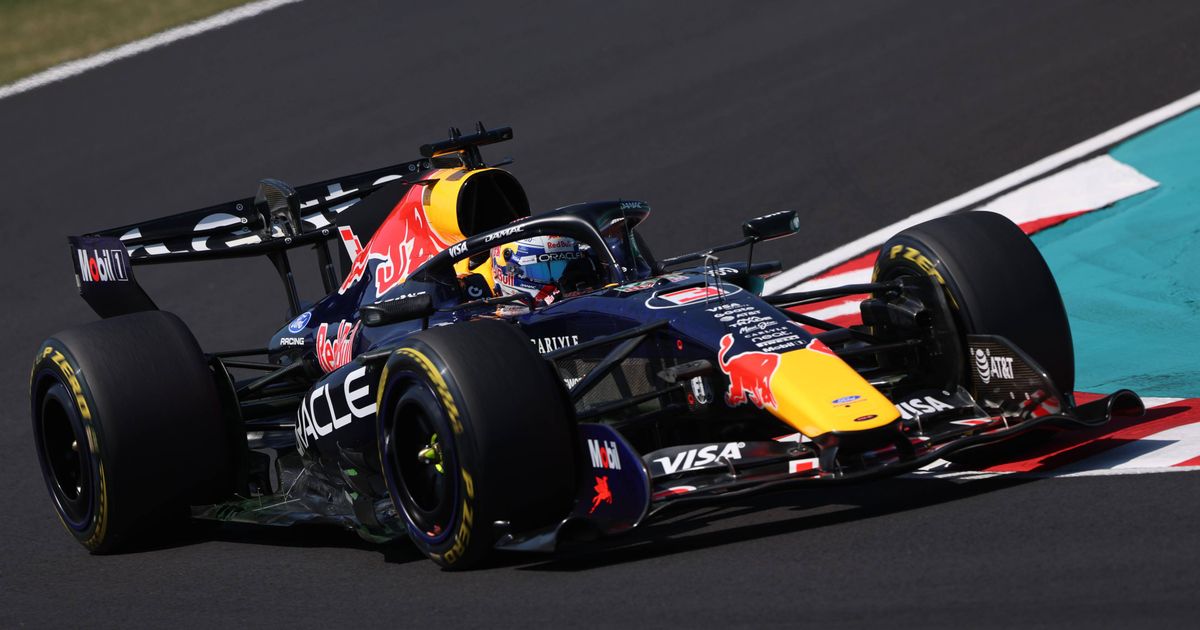
Mercedes Team Principal Toto Wolff pointed to a specific on-track overtake during pre-season testing in Barcelona as a key indicator of how wheel-to-wheel racing could evolve under the 2026 technical regulations. He highlighted the dramatic speed differential created by the new energy deployment rules, suggesting it will add a new tactical dimension to Formula 1.
Why it matters:
The 2026 regulations introduce a significant change in how drivers manage their car's energy, forcing them to strategically deploy extra power. This could create large speed differences between cars at critical moments, fundamentally altering overtaking strategies. Wolff's observation suggests races may become more dynamic and unpredictable, rewarding intelligent driving and racecraft over pure car performance alone.
The details:
- During the Barcelona shakedown, George Russell overtook Williams rookie Franco Colapinto with an estimated straight-line speed advantage of 50-60 km/h.
- This gap was attributed to Russell strategically using his available energy deployment while Colapinto was focused on consistent long-run data collection.
- The new rules mandate drivers to manage extra energy deployment throughout a lap, creating potential for major speed differentials during battles.
- Wolff praised the new car aesthetics and overall concept, stating they "look like F1 cars again" and have addressed the excessive size of previous generations.
The big picture:
The 2026 season represents a major regulatory shift aimed at improving racing and sustainability. While some drivers, like Esteban Ocon, have expressed concerns that overtaking might become more difficult, Wolff holds a contrasting, optimistic view. He believes the added variable of energy management will lead to more overtaking in unexpected places, making the sport more engaging for fans by adding a layer of easily understandable strategy.
What's next:
The true impact of these regulations will only be revealed during the competitive heat of the race season. Teams and drivers will spend the remaining pre-season refining their understanding of the new energy deployment tactics. If Wolff's prediction holds true, fans can expect a season where strategic energy use becomes as crucial as tire management, potentially leading to more dramatic and intelligent on-track battles.
Don't miss the next lap
Get the deep dives and technical analysis from the world of F1 delivered to your inbox twice a week.
Zero spam. Only high-octane analysis. Unsubscribe anytime.
Join the inner circle
Get the deep dives and technical analysis from the world of F1 delivered to your inbox twice a week.
Zero spam. Only high-octane analysis. Unsubscribe anytime.
Continue Reading
View More News