Trackside View: How 2026 F1 Cars Transformed Dramatically Over Six Days in Bahrain
Over six days of testing in Bahrain, the 2026 F1 cars underwent a remarkable transformation from unstable prototypes to poised racing machines. The gains came from teams mastering the critical balance of energy harvesting and drivability under new rules, with drivers rapidly adapting their style. This rapid progress sets the stage for an intense development battle as the season begins.
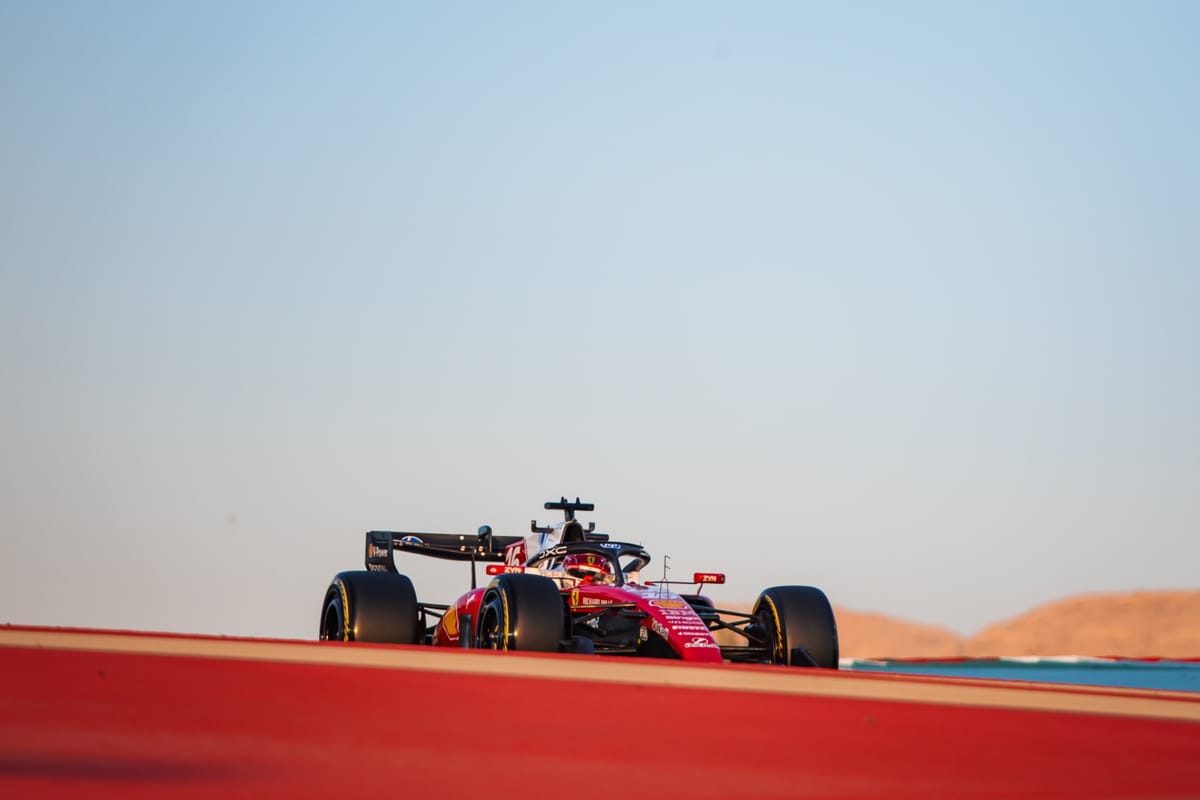
The 2026 Formula 1 cars looked like a completely different formula by the final day of pre-season testing in Bahrain compared to the first, evolving from tentative and unstable machines to planted and well-understood contenders. This rapid transformation was less about outright lap time and more about the cars' poise and the drivers' growing confidence behind the wheel as teams fine-tuned complex new systems.
Why it matters:
The dramatic improvement over just six days underscores the incredible development rate in F1 and highlights the critical initial learning phase under major new regulations. How quickly a team masters the intricate balance between energy harvesting and drivability could set the early competitive order for the 2026 season, making these first tests a vital indicator of potential.
The details:
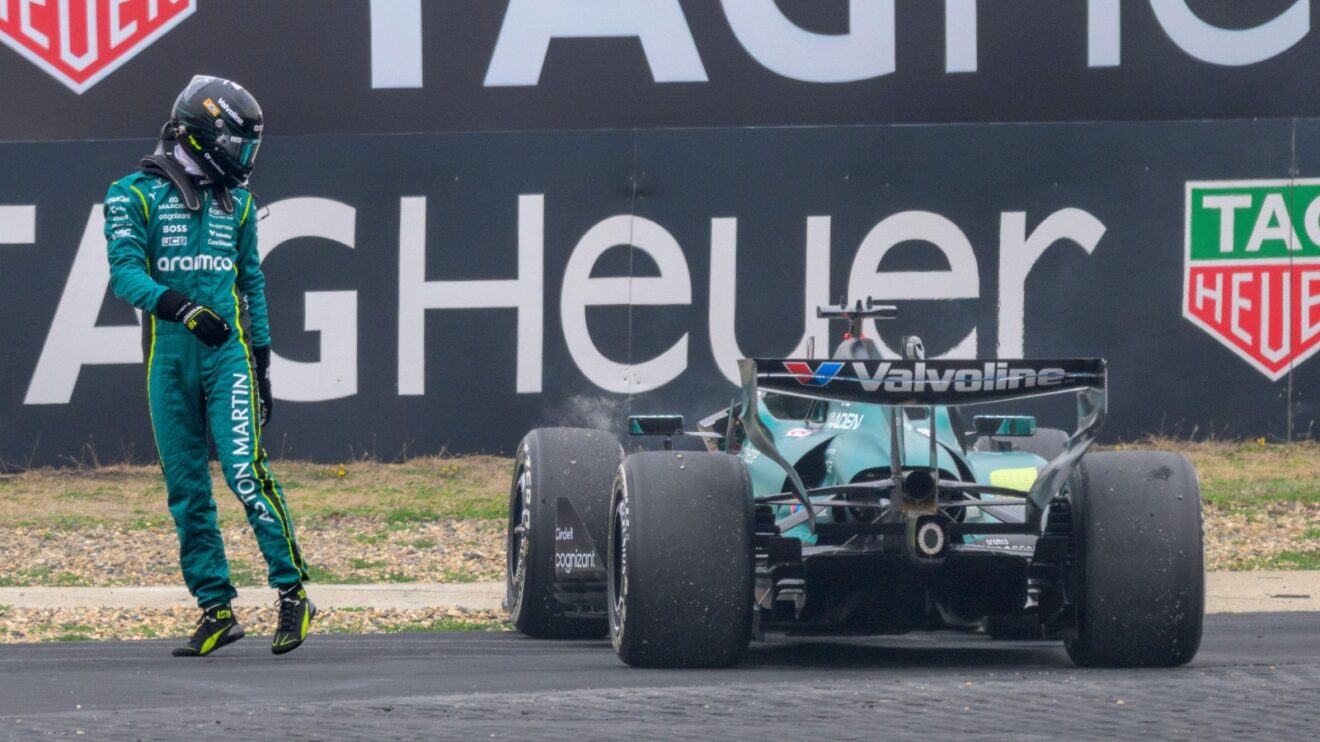
- Night and Day Difference: The contrast was stark. On day one, cars exhibited front-locking, instability, and countless wide moments, exacerbated by windy conditions. By the final day, the field was largely composed of stable, consistent machines.
- Power Unit Evolution: The sound and behavior of the new power units changed noticeably. The Audi, which initially sounded particularly harsh, seemed recalibrated or refined by the test's end. Red Bull's powertrain appeared more advanced from the start, allowing Max Verstappen to handle rear instability with more assurance.
- The Core Technical Challenge: Teams spent the test finessing gearbox and power unit settings, specifically the complex interaction between braking, downshifts, and car dynamics. The priority was optimizing energy harvesting under braking for the new battery systems without sacrificing the stability and confidence drivers need.
- Driver Adaptation: Drivers improved dramatically as they acclimatized to the cars. The required driving style has counter-intuitive elements, but they quickly adapted, which contributed significantly to the cars looking more settled and faster.
- Agility Claims Confirmed: Observers noted that the promised agility and nimbleness of the 2026 cars, especially in improved turn-in response, was evident and stood up to scrutiny on track.
What's next:
This rapid progress is just the beginning. The cars will be better again for the season opener in Melbourne, and the development curve will continue steeply throughout the year.
- The relative strengths and weaknesses seen in Bahrain will begin to crystallize into a more defined competitive hierarchy at the first race.
- By the season's end in Abu Dhabi, the cars are expected to be significantly faster and more refined, continuing the essential truth of F1: relentless and rapid evolution.
Don't miss the next lap
Get the deep dives and technical analysis from the world of F1 delivered to your inbox twice a week.
Zero spam. Only high-octane analysis. Unsubscribe anytime.
Join the inner circle
Get the deep dives and technical analysis from the world of F1 delivered to your inbox twice a week.
Zero spam. Only high-octane analysis. Unsubscribe anytime.
Continue Reading
View More News