Two fixes proposed to address Verstappen's frustration with new F1 rules
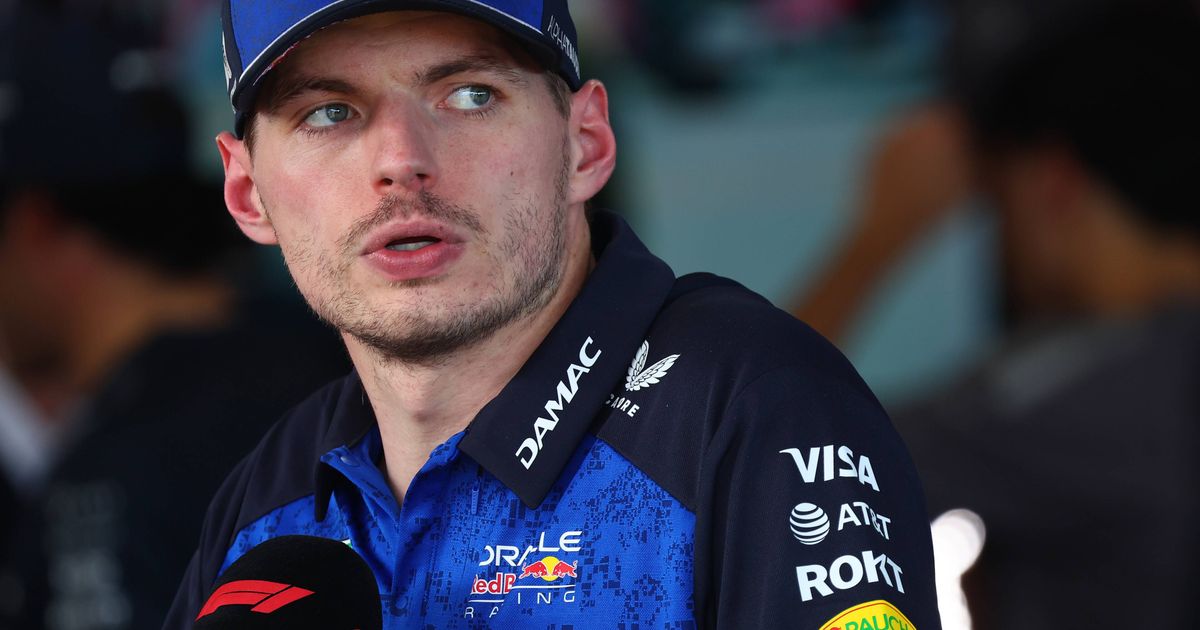
Technical analyst Gary Anderson supports Max Verstappen's critique of current F1 rules, proposing to limit electrical power use and smooth its delivery for better racing. He also suggests a long-term vision where F1 returns to natural aspiration to distinguish itself from other series.
F1 technical expert Gary Anderson has backed Max Verstappen's criticism of the sport's current direction, proposing specific short and long-term fixes to rebalance competition and driver input. He argues the sport has tipped too far towards engineered entertainment, suggesting changes to energy deployment and a fundamental rethink of F1's identity.
Why it matters:
Verstappen's vocal dissatisfaction highlights a growing tension between pure sporting merit and spectacle. As the reigning champion and the sport's biggest star, his concerns carry significant weight and reflect a broader debate about F1's technical philosophy. Anderson's detailed proposals offer a concrete path to address these issues, which could influence future regulatory discussions.
The details:
- Anderson's primary agreement with Verstappen centers on the belief that "sport can be entertaining but entertainment is not sport," arguing the balance has shifted too far.
- He proposes two key technical fixes for the short term:
- Reduce and Control ERS: Limit the amount of electrical power available and tighten control over its usage. This would make the energy last longer during a race stint, reducing the need for excessive fuel-saving "lift-and-coast."
- Progressive Power Delivery: Change the energy boost system from an "all-or-nothing" application to a smoother, more gradual power increase when drivers request it. This would help avoid sudden wheelspin and make the system less of a decisive overtaking button.
- For the long term, Anderson supports an idea from pundit Karun Chandhok to clearly separate top-level racing categories by powertrain: Formula E for electric, WEC/Le Mans for hybrid, and a return to naturally aspirated engines for Formula 1.
Between the lines:
The criticism comes amid a period where Verstappen's dominance has been challenged, putting the spotlight on how rules affect competition. Notably, not everyone agrees with Verstappen's stance; former driver Ralf Schumacher has suggested he "stop whining," pointing out that teams invested heavily in the current regulations agreed upon years ago. This underscores the difficulty of making mid-cycle changes and the financial realities of the sport.
What's next:
While a sudden overhaul of the 2026 power unit regulations is unlikely, Anderson's proposals for tweaking energy deployment could be considered for future technical directives or the next regulatory cycle. The broader conversation about F1's core identity—entertainment versus sport—is likely to continue, especially as discussions for the post-2026 era begin to take shape. Verstappen's future comments and any potential actions will remain a significant barometer for this ongoing debate.
Don't miss the next lap
Get the deep dives and technical analysis from the world of F1 delivered to your inbox twice a week.
Zero spam. Only high-octane analysis. Unsubscribe anytime.
Join the inner circle
Get the deep dives and technical analysis from the world of F1 delivered to your inbox twice a week.
Zero spam. Only high-octane analysis. Unsubscribe anytime.
Continue Reading
View More News