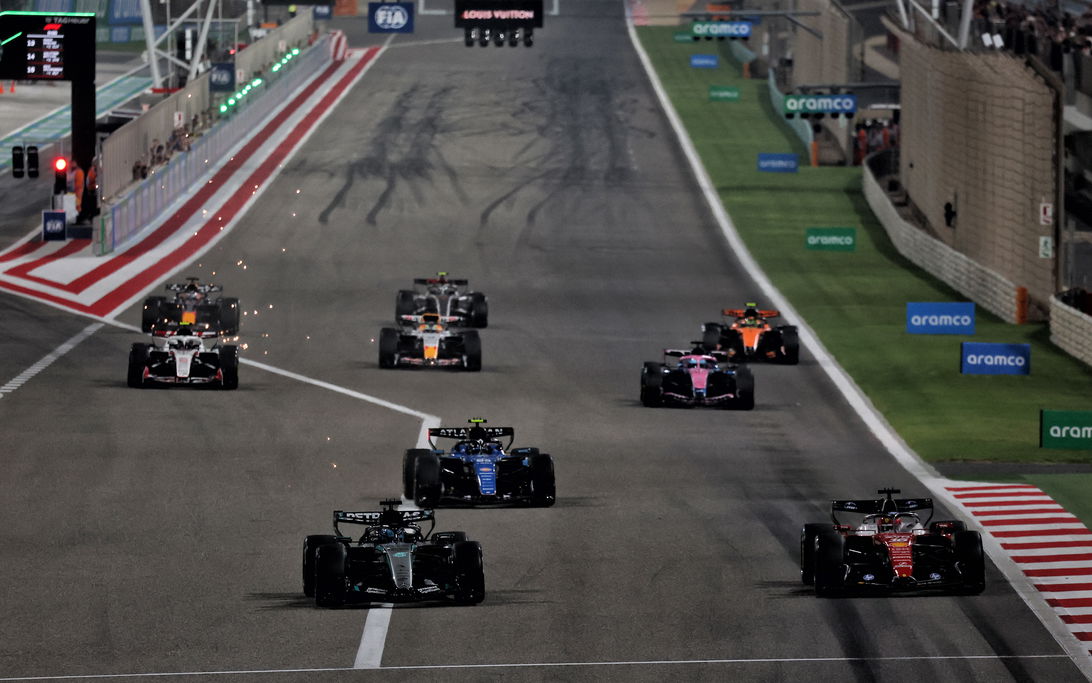
Understanding Lift and Coast in Formula 1
Lift and coast—lifting off the throttle before a braking zone—helps F1 drivers manage tyre wear, fuel consumption and battery energy. With 2026 hybrids splitting power 50/50 between ICE and electric systems, the technique has become a season‑long requirement, shaping race strategy and future regulations.
Lift and coast is a driving technique where a driver eases off the throttle on a straight before a corner, letting aerodynamic drag slow the car. The saved speed reduces tyre wear, fuel use and battery drain, making it a staple of modern race strategy.
Why it matters:
- Tyre preservation – entering a corner slower cuts the load on the rubber, extending stint length.
- Fuel efficiency – less throttle means the car carries less fuel later, improving overall weight distribution.
- Battery management – with 2026 power units delivering roughly 50 % of power from the internal combustion engine and 50 % from the electric system, conserving charge is critical for optimal performance.
- Skid‑block protection – excessive wear on the car’s under‑tray can lead to post‑race disqualification, so teams use lift‑and‑coast to limit abrasion.
The details:
- Mechanics – Drivers lift off the throttle, allowing pure aerodynamic drag to decelerate the car before applying the brakes later in the corner. This shifts the braking point rear‑wards and reduces brake temperature.
- 2025 case study – Charles Leclerc was instructed by Ferrari to increase his lift‑and‑coast usage during the Austrian Grand Prix. He complied and still finished third, demonstrating that the tactic can coexist with a podium finish.
- 2026 power‑unit shift – The new hybrid architecture splits output evenly between the ICE and a more powerful electric system. Energy recovery (ERS) now harvests both kinetic and thermal sources at a higher rate, so drivers must protect the battery while still generating enough charge for later attack phases.
- Team orchestration – Engineers model lift‑and‑coast zones in simulation, then relay precise instructions via radio. Typical savings are 0.1‑0.3 seconds per sector, a small hit that pays off in reduced tyre degradation and preserved energy.
- Regulatory backdrop – The FIA currently allows lift‑and‑coast but monitors excessive use that could affect safety or fairness. Ongoing discussions may formalise “LiCo windows” in future rulebooks.
What's next:
- Rule evolution – Expect the FIA to refine guidance on lift‑and‑coast, possibly setting minimum and maximum durations per lap.
- Tech integration – Real‑time telemetry could trigger automatic lift‑and‑coast alerts, helping drivers stay within optimal windows without manual calculation.
- Driver training – Young pilots are already practising lift‑and‑coast during simulator sessions, ensuring the technique becomes second nature as hybrid power units dominate the grid.
Lift and coast will remain a balancing act: shave off a fraction of lap speed to safeguard tyres, fuel and battery life, ultimately delivering a stronger overall race result.
Don't miss the next lap
Get the deep dives and technical analysis from the world of F1 delivered to your inbox twice a week.
Zero spam. Only high-octane analysis. Unsubscribe anytime.
Join the inner circle
Get the deep dives and technical analysis from the world of F1 delivered to your inbox twice a week.
Zero spam. Only high-octane analysis. Unsubscribe anytime.
Continue Reading
View More News