Vandoorne: F1 Teams 'Not Really Prepared' for 2026 Electrification Shift
Stoffel Vandoorne warns F1 teams lack preparation for the 2026 regulations' electrical demands. He highlights the critical value of Formula E experience in mastering energy management and deployment for the future of Formula 1.
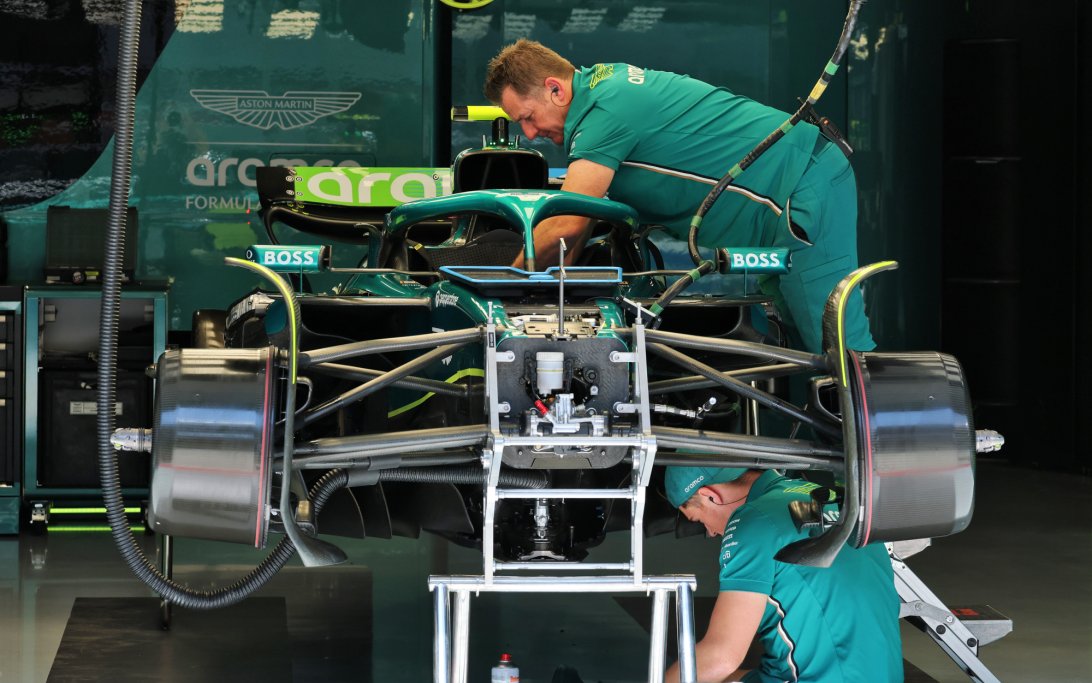
Stoffel Vandoorne has warned that Formula 1 teams are "not really prepared" for the significant technological shift required by the upcoming 2026 power unit regulations. The former McLaren driver, now a reserve for Aston Martin and Jaguar, emphasizes that the specific expertise gained in Formula E is becoming crucial for F1's future success.
Why it matters:
The new regulations mandate a 50/50 split between electrical and internal combustion power, fundamentally altering how the cars are driven and developed. This shift demands a level of energy management precision that traditional F1 teams have not historically needed to master, creating a potential competitive gap for those slow to adapt.
The details:
- The Knowledge Gap: Vandoorne notes that F1 teams have never had to focus "super-perfectly" on energy management and deployment until now, as the electrical component was previously less dominant.
- Formula E Advantage: Drivers from the all-electric series possess a deeper understanding of energy preservation, a skill set that is now directly transferable to F1's evolving landscape.
- Strategic Input: Vandoorne is currently aiding Aston Martin's 2026 development by providing input on simulation tools and strategy optimization, helping teams distinguish between what is theoretically realistic and what is actually drivable.
- Technological Bridge: The Belgian driver suggests that the "complicated technology" of the new power units makes the experience of Formula E drivers invaluable in guiding F1 engineers through the transition.
What's next:
As the 2026 regulations approach, the collaboration between F1 and Formula E expertise is likely to deepen. Teams that effectively integrate this knowledge into their simulation and development programs early on could gain a significant advantage when the new rules take effect.
Don't miss the next lap
Get the deep dives and technical analysis from the world of F1 delivered to your inbox twice a week.
Zero spam. Only high-octane analysis. Unsubscribe anytime.
Join the inner circle
Get the deep dives and technical analysis from the world of F1 delivered to your inbox twice a week.
Zero spam. Only high-octane analysis. Unsubscribe anytime.
Continue Reading
View More News