Vasseur Predicts Verstappen's Focus Will Shift from Car Critiques to Competition
Ferrari's Frederic Vasseur expects Max Verstappen's criticism of F1's 2026 cars to fade quickly once racing begins, arguing a driver's core focus is always on beating rivals. He compared the reaction to the successful 2022 regulation launch and emphasized Ferrari's benefit from working without external scrutiny.
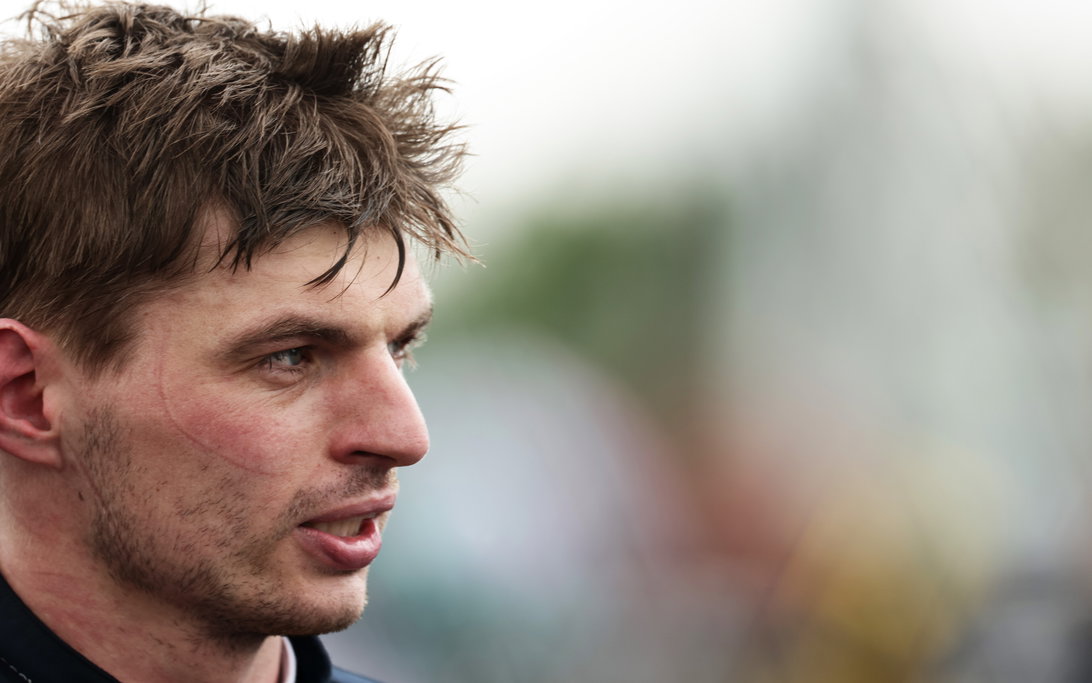
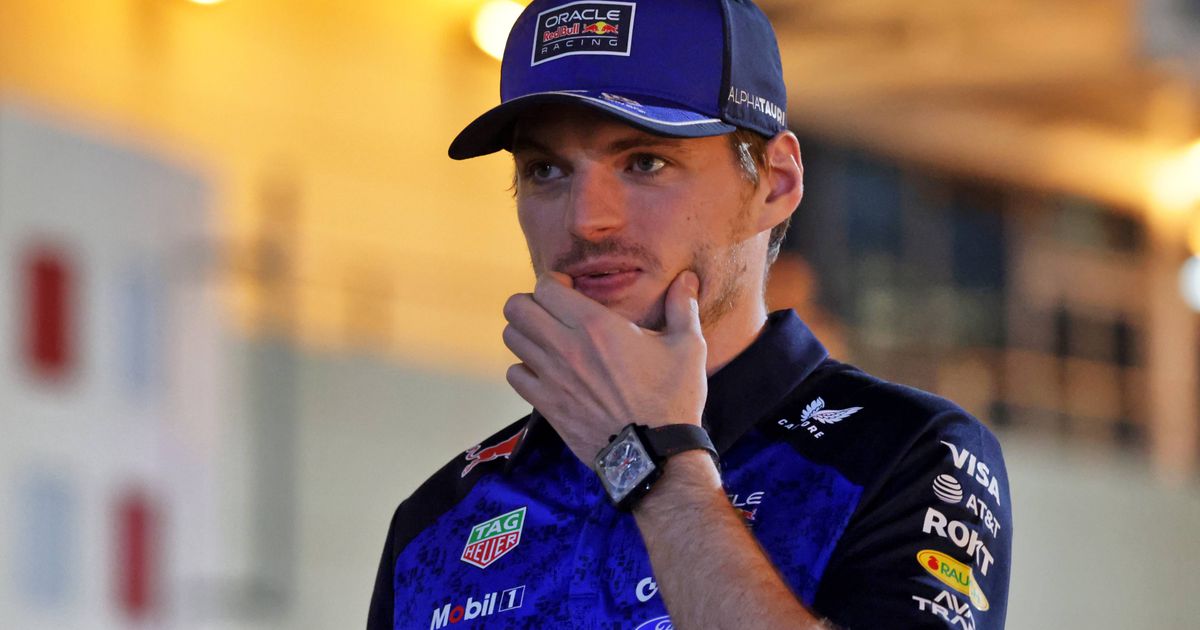
Ferrari team principal Frederic Vasseur understands Max Verstappen's initial criticism of the 2026 Formula 1 cars but predicts the reigning champion's focus will shift entirely to pure competition after just one session. Vasseur downplayed the significance of driver complaints about lap times, emphasizing that the core DNA of every driver and team is ultimately about being faster than their rivals, regardless of the specific technical regulations.
Why it matters:
Verstappen's vocal critiques of the new car specifications carry significant weight given his status as the sport's dominant figure. His comparison of the cars to 'Formula E on steroids' risks shaping public and media perception early in a crucial regulatory cycle. Vasseur's response attempts to reframe the narrative around sporting competition rather than technical dissatisfaction, highlighting a fundamental tension between driver feedback and the commercial and sporting direction of the championship.
The details:
- Vasseur drew a direct parallel to the introduction of the 2022 ground-effect cars, which faced similar initial skepticism but are now widely regarded as a success for the sport.
- He attributes drivers' initial negative reactions to the psychological impact of seeing slower lap times in testing compared to the previous year, a natural competitive response.
- The Ferrari boss believes this focus is transient and will be replaced by the innate competitive drive to beat rivals once the season begins in earnest.
- Vasseur also highlighted a strategic advantage for Ferrari after Bahrain testing, noting that the lack of spotlight allows the team to work quietly without external pressure or scrutiny regarding fuel loads and run plans.
Between the lines:
Vasseur's comments serve a dual purpose. Publicly, they are a pragmatic assessment of driver psychology. Internally, they signal Ferrari's preferred mindset: ignore the noise and concentrate on performance. His satisfaction with Ferrari flying under the radar suggests a team consciously avoiding the favorite's tag and the associated pressure, potentially learning from past seasons where early hype did not translate to sustained title challenges. This low-profile approach could be a strategic asset in a tightly packed field.
Don't miss the next lap
Get the deep dives and technical analysis from the world of F1 delivered to your inbox twice a week.
Zero spam. Only high-octane analysis. Unsubscribe anytime.
Join the inner circle
Get the deep dives and technical analysis from the world of F1 delivered to your inbox twice a week.
Zero spam. Only high-octane analysis. Unsubscribe anytime.
Continue Reading
View More News