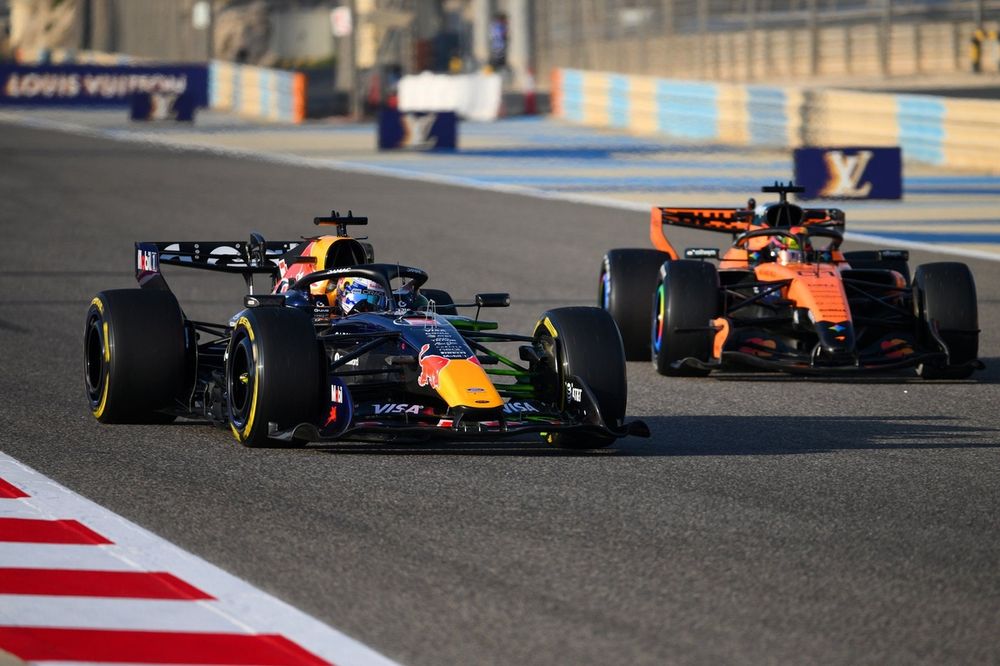
Verstappen: 2026 regulations will make F1 harder for fans to follow
Verstappen says the 2026 rule changes, centred on tighter energy limits, will make F1 races harder for casual fans to follow, especially overtaking, and could affect his own enjoyment of the sport.
Red Bull's four‑time champion Max Verstappen warned that the 2026 technical regulations, centred on tighter energy limits, will make a Grand Prix harder for casual fans to follow. While the package aims to curb fuel use and narrow performance gaps, Verstappen says it adds strategic opacity that could affect overtaking and the sport’s overall enjoyment.
Why it matters:
F1’s recent surge in global viewership, driven by movies and Netflix’s Drive to Survive, relies on a clear narrative. If race dynamics become too technical, the sport risks alienating newcomers and reducing its entertainment value for broadcasters and sponsors.
The details:
- Complexity – tighter energy caps will make race strategy harder to explain live.
- Overtaking – open rear wings on straights mean battery timing will dictate passing opportunities, but the impact is still unclear.
- Energy deployment – drivers get a fixed energy allotment per lap, forcing a speed‑conservation trade‑off.
- Car behaviour – open‑wing setups may shift defensive lines, changing traditional overtaking zones.
- Enjoyment – Verstappen admits the new driving style isn’t his favourite, even if Red Bull stays on top.
What's next:
The 2026 rule book will be finalised later this year, with teams testing new power‑unit and aero concepts in the upcoming season. Verstappen’s remarks suggest Red Bull may seek clearer fan‑facing data, perhaps via enhanced broadcast graphics. Viewers will face a steep learning curve, but the novelty could spark fresh interest if the series translates the technical drama into compelling storytelling.
Don't miss the next lap
Get the deep dives and technical analysis from the world of F1 delivered to your inbox twice a week.
Zero spam. Only high-octane analysis. Unsubscribe anytime.
Join the inner circle
Get the deep dives and technical analysis from the world of F1 delivered to your inbox twice a week.
Zero spam. Only high-octane analysis. Unsubscribe anytime.
Continue Reading
View More News