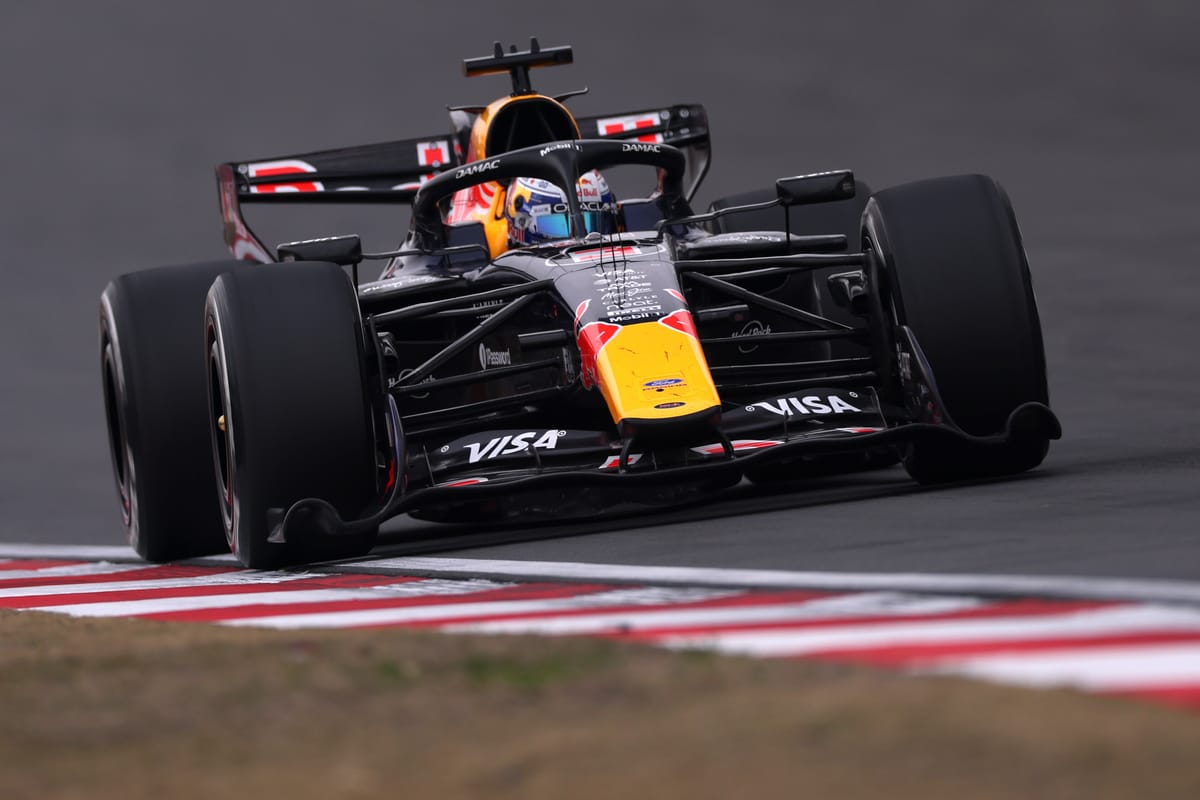
Verstappen launches strongest attack yet on 'terrible' 2026 racing
Max Verstappen has unleashed his strongest criticism to date against Formula 1's planned 2026 regulations, labeling the resulting racing product as "terrible" and akin to "Playing Mario Kart." Following a tough Chinese GP, the Red Bull driver argues the energy-dependent overtaking is artificial and flawed, appealing to casual fans over purists, and insists the sport's leadership made a mistake not heeding earlier warnings.
Max Verstappen has escalated his criticism of Formula 1's 2026 regulations, calling the racing they produce "terrible" and "a joke" after a disappointing Chinese Grand Prix weekend for Red Bull. The reigning champion argues the style of racing, characterized by energy-dependent overtaking, is fundamentally flawed and appeals only to those who "don't understand racing."
Why it matters:
Verstappen's comments represent the most forceful public condemnation yet from a top driver against F1's future direction. As the sport's biggest star, his vocal opposition creates significant pressure on the FIA and FOM to address driver concerns before the new rules are locked in. This debate strikes at the heart of F1's identity, pitting potential entertainment value for new fans against the sporting purity valued by its core competitors and long-time followers.
The details:
- Verstappen's frustration boiled over in Shanghai, where he retired from sixth place with a mechanical issue. He identified the chassis, not the new power unit, as Red Bull's main weakness.
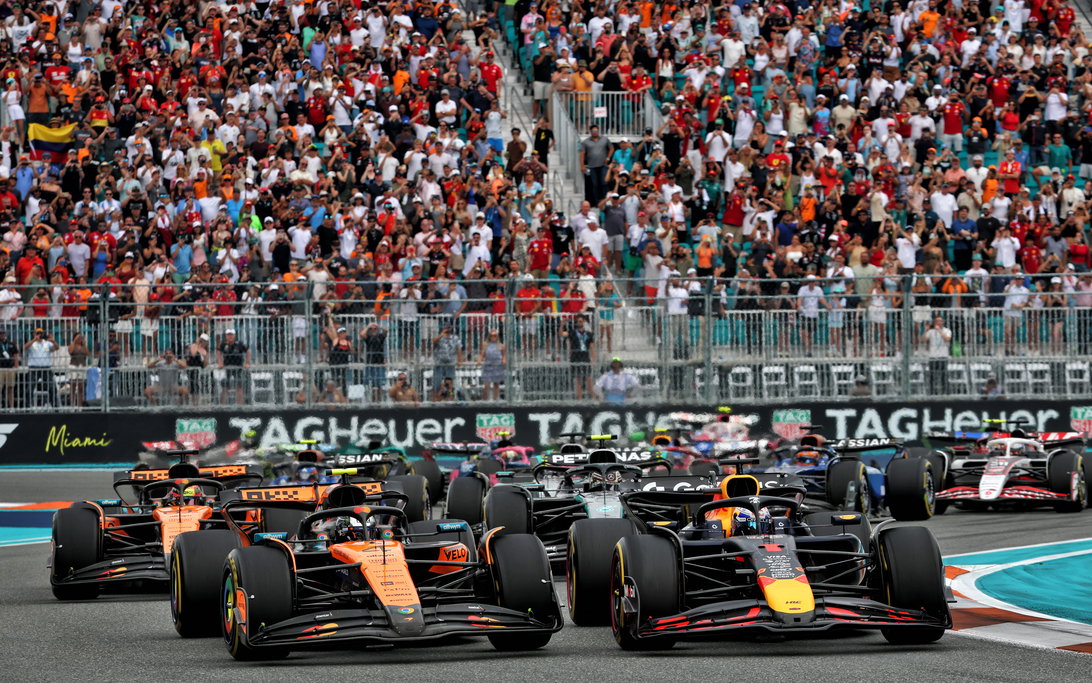
- He described the 2026-style racing showcased in early season races as "Playing Mario Kart," where drivers use energy boosts to pass on straights only to be re-passed when their battery depletes.
- The Dutchman dismissed the entertainment value of the lead battles, noting they often involve only the dominant Mercedes cars and lack genuine back-and-forth action.
- He emphasized his critique is about the "racing product" itself, not his current competitive position, stating he would hold the same view if he were winning.
Between the lines:
Verstappen's stance highlights a growing divide within the sport. He claims to speak for "most of the drivers," acknowledging that those currently benefiting from the rules are unlikely to support change. His call for F1 to have listened to driver warnings back in 2023 suggests a breakdown in the consultation process. Furthermore, his fear that the sport's leadership might prioritize appealing to a casual audience over fixing "artificial" racing points to a deeper philosophical conflict about F1's future trajectory. While a switch to V8 engines is rumored for the next regulatory cycle, Verstappen lamented that immediate change is impossible, calling the current framework "fundamentally flawed" with only minor fixes possible.
Don't miss the next lap
Get the deep dives and technical analysis from the world of F1 delivered to your inbox twice a week.
Zero spam. Only high-octane analysis. Unsubscribe anytime.
Join the inner circle
Get the deep dives and technical analysis from the world of F1 delivered to your inbox twice a week.
Zero spam. Only high-octane analysis. Unsubscribe anytime.
Continue Reading
View More News