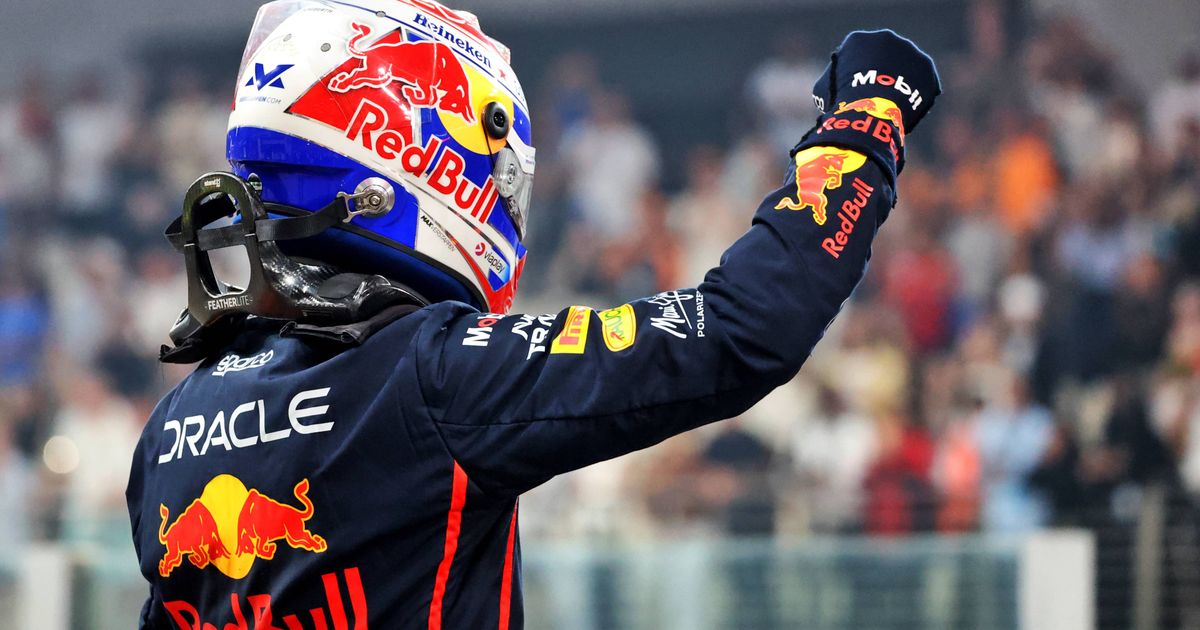
Verstappen Leads Morning Session as Red Bull Tests in Barcelona Rain
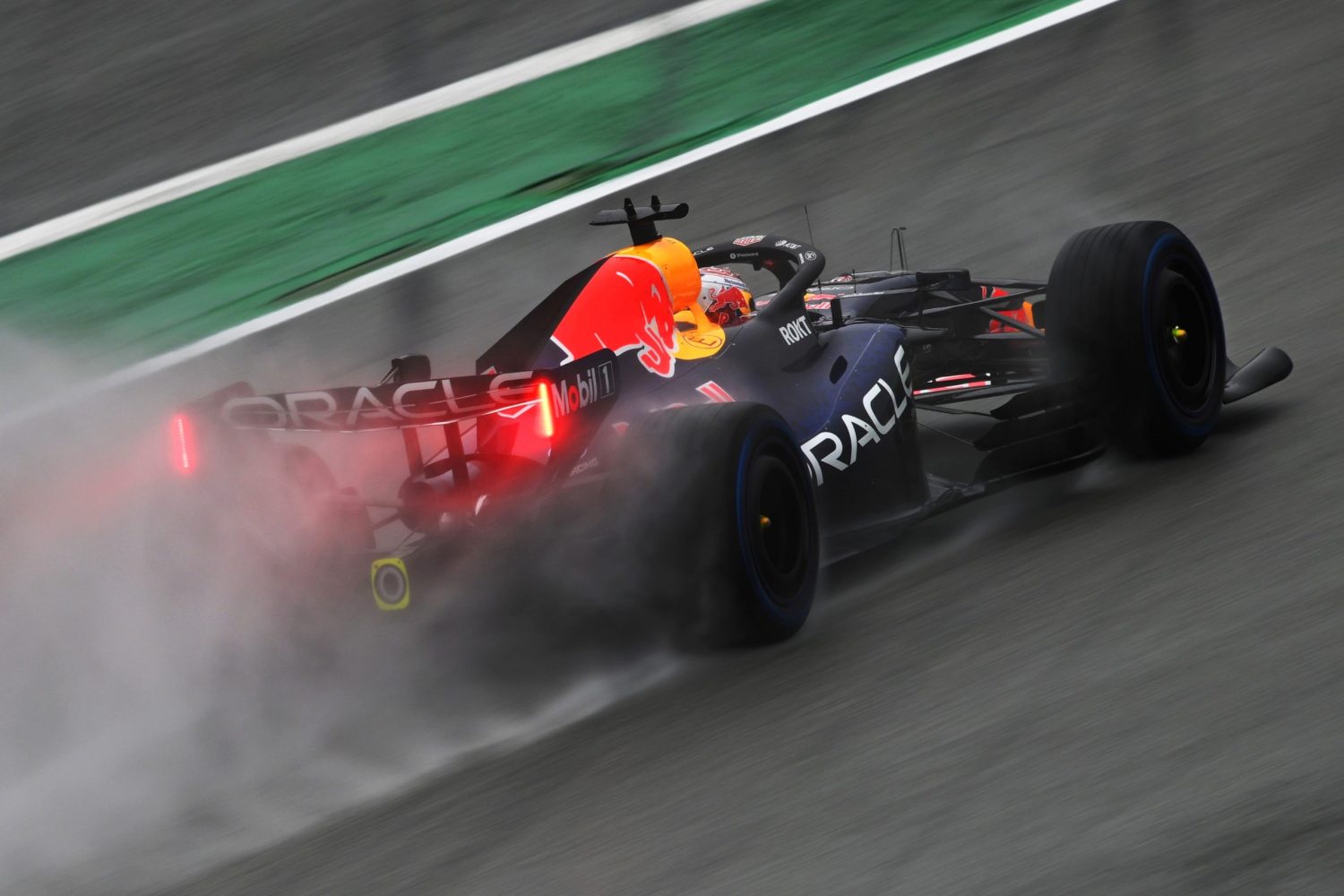
Max Verstappen topped the timing sheets during a wet morning session in Barcelona, logging 27 laps in Red Bull's new 2026 challenger. Teammate Isack Hadjar took over afternoon duties after leading day one.
Max Verstappen returned to the cockpit for Red Bull's second day of 2026 pre-season testing in Barcelona, immediately setting the pace in tricky wet conditions. The four-time champion, who sat out the opening day, completed 27 laps in the morning session before handing over duties to teammate Isack Hadjar, who had dominated the timesheets on day one.
Why it matters:
With the 2026 regulations introducing a massive overhaul in power unit and aerodynamic rules, early track time is invaluable. Verstappen's ability to immediately extract competitive pace in mixed conditions—finishing nearly a second faster than rival Charles Leclerc—signals that Red Bull has hit the ground running. This early performance is a strong psychological marker for the rest of the grid and provides a crucial data point for engineers regarding tire behavior and aero efficiency in the rain.
The details:
- Morning Pace: Verstappen posted lap times in the 1:20s during the wet morning session, finishing over eight-tenths of a second clear of Ferrari's Charles Leclerc.
- Run Plan: The Dutch driver focused on acclimatizing to the new package, logging 27 laps before stepping out of the car for the remainder of the day.
- Hadjar's Continuity: Reserve driver Isack Hadjar took over for the afternoon session. He continued the strong form shown on day one, where he set the overall fastest time (1:18.835) ahead of Mercedes' Kimi Antonelli and George Russell.
- Track Conditions: The Circuit de Barcelona-Catalunya provided a stern test with mixed weather, forcing teams to adapt their setups on the fly and gather data on the new wet-weather tires.
What's next:
As the shakedown phase concludes, Red Bull will now dive deep into the telemetry gathered from both Verstappen and Hadjar. The focus will shift to correlating the track data with simulation results as the team prepares for the first official race of the new era.
Don't miss the next lap
Get the deep dives and technical analysis from the world of F1 delivered to your inbox twice a week.
Zero spam. Only high-octane analysis. Unsubscribe anytime.
Join the inner circle
Get the deep dives and technical analysis from the world of F1 delivered to your inbox twice a week.
Zero spam. Only high-octane analysis. Unsubscribe anytime.
Continue Reading
View More News