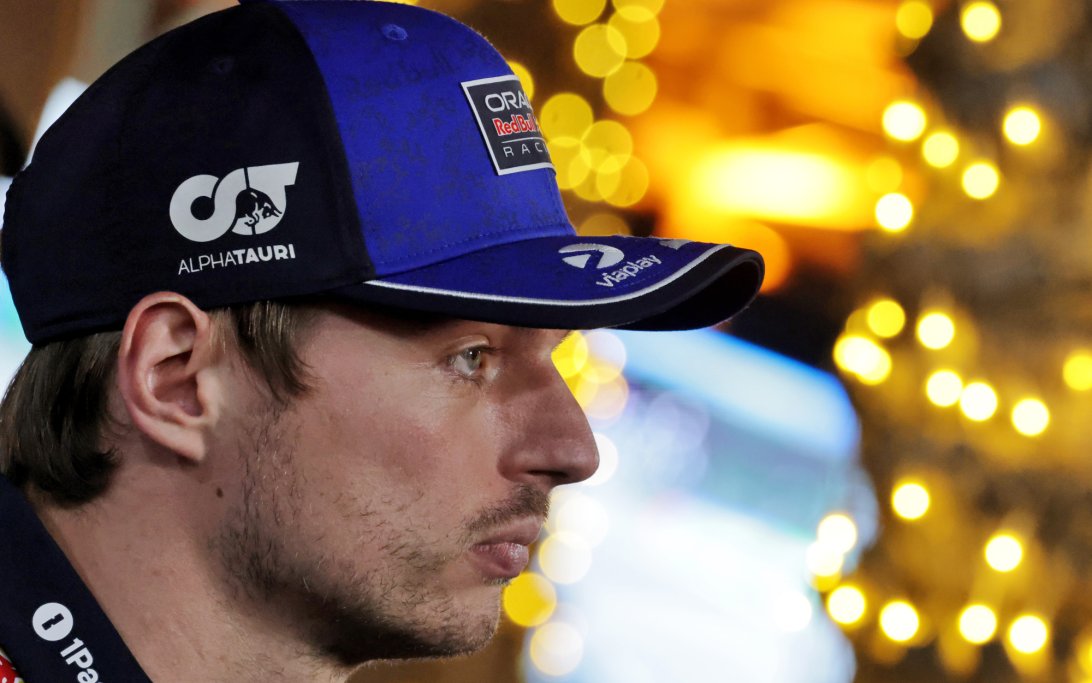
Verstappen questions F1 future after testing 2026 car
Max Verstappen has threatened his F1 future after testing 2026 cars, blasting the new energy management rules as "not F1-worthy" and akin to Formula E. The champion stated the need to drive slower in corners to harvest energy is "not fun" and could shorten his career.
Max Verstappen has expressed significant dissatisfaction with Formula 1's 2026-spec cars after his first simulator experience, suggesting the new energy management requirements feel more suited to Formula E and could shorten his career. The reigning world champion criticized the driving style necessitated by the new power units, where managing electrical energy harvest can outweigh pure speed in certain corners, labeling it "not F1-worthy."
Why it matters:
Verstappen's vocal criticism carries immense weight as the sport's dominant figure and triple world champion. His growing discontent with F1's direction—previously focused on calendar expansion and sprint races—now targeting the core racing product itself, poses a genuine threat to the sport's star power and long-term viewer engagement if it pushes him toward an early exit.
The details:
- The 2026 technical overhaul significantly increases the electrical output of the power unit to match the combustion engine, forcing drivers to constantly balance energy harvesting and deployment.
- Verstappen's core complaint is tactical: "In certain corners on certain circuits, it is better to go a little slower in order to regain more energy for the straight."
- He directly contrasted this philosophy with F1's traditional ethos, stating, "Sorry, but that belongs in Formula E."
- Beyond the technical critique, Verstappen linked his enjoyment directly to his future, stating, "It's just not fun to drive... And this certainly doesn't help to continue for a very long time."
- His comments reflect a driver who, having "won and achieved everything," is weighing continued participation against "other fun things" he could do.
What's next:
Verstappen's remarks will intensify scrutiny on the 2026 regulations as teams continue their development. While his current Red Bull contract runs through 2028, his clear lack of enjoyment creates palpable uncertainty about his tenure beyond that, potentially accelerating succession planning within his team and the sport at large. The FIA and F1 organizers now face the challenge of balancing technical innovation with preserving the driving experience that retains top talent.
Don't miss the next lap
Get the deep dives and technical analysis from the world of F1 delivered to your inbox twice a week.
Zero spam. Only high-octane analysis. Unsubscribe anytime.
Join the inner circle
Get the deep dives and technical analysis from the world of F1 delivered to your inbox twice a week.
Zero spam. Only high-octane analysis. Unsubscribe anytime.