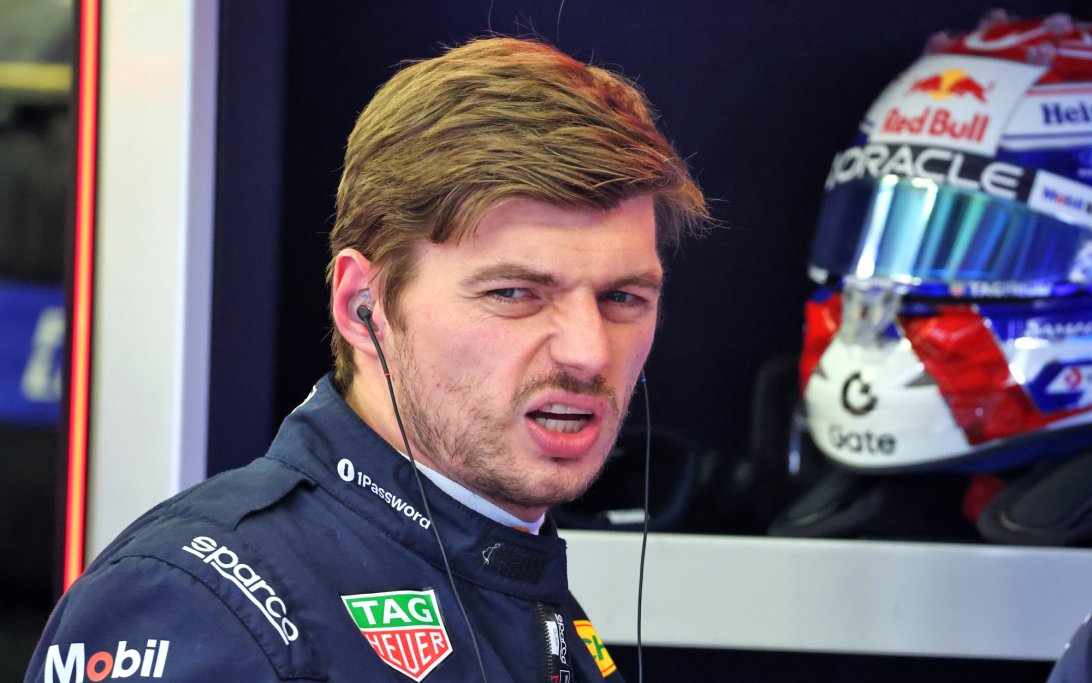
Verstappen's 2026 criticism reveals his key advantage
Ex-Williams chief Jost Capito says Max Verstappen's harsh critique of F1's 2026 power unit rules underscores his key advantage: an engineer's understanding of race strategy. While Verstappen labels the energy-focused regulations "anti-racing," Capito believes this deep analytical skill will be vital for managing the new complex hybrid systems, shifting the championship battle from pure speed to strategic intelligence.
Former Williams boss Jost Capito suggests Max Verstappen's vocal criticism of the 2026 F1 power unit rules actually highlights the very skills that could give him an edge when they arrive. While Verstappen has called the regulations "anti-racing," Capito argues the Dutchman's deep engineering-level understanding of race strategy will be a major asset in the new, more complex energy management era.
Why it matters:
The 2026 regulations represent the most significant technical shift in a generation, moving to a 50/50 split between internal combustion and electric power. Success will hinge less on pure lap speed and more on strategic energy deployment and battery management during races, potentially reshaping the competitive order and favoring drivers with exceptional race intelligence.
The details:
- Verstappen's Dual Nature: Capito identifies a paradox: Verstappen's frustration stems from his deep understanding, calling the rules "Formula E on steroids," yet that same analytical prowess is his greatest strength. "His race intelligence is exceptional; he understands the race like an engineer," Capito said.
- The New Core Challenge: The focus shifts from outright pace to strategic energy use. The key questions become: "How can you charge the battery in the most efficient way without losing lap time?" Capito noted that the final power split could still be adjusted from 50:50 to 60:40 or 70:30 after initial running.
- Testing Obscurity: Capito urged caution in reading pre-season form, stating, "The tests in Bahrain must be viewed with caution; nobody is showing their full hand." He believes the true competitive picture among the top teams—McLaren, Mercedes, Red Bull, and Ferrari—will only become clear at the Australian Grand Prix qualifying.
What's next:
The 2026 rules remain a moving target, with refinements expected as teams develop their cars. In the immediate term, the season-opening Australian Grand Prix will provide the first genuine glimpse of the 2025 competitive hierarchy. Verstappen's ability to adapt his supreme racecraft to the evolving technical demands will be a critical storyline to watch, both this year and as the 2026 framework solidifies.
Don't miss the next lap
Get the deep dives and technical analysis from the world of F1 delivered to your inbox twice a week.
Zero spam. Only high-octane analysis. Unsubscribe anytime.
Join the inner circle
Get the deep dives and technical analysis from the world of F1 delivered to your inbox twice a week.
Zero spam. Only high-octane analysis. Unsubscribe anytime.