Verstappen's aggressive downshifting hints at Red Bull's 2026 energy recovery strategy
Max Verstappen's distinctive and aggressive downshifting technique during Bahrain testing, using first gear in unusual corners, is a visible sign of Red Bull's early development work for the 2026 power units. The method aims to maximize energy recovery under braking, hinting at a core design philosophy for the new regulations.
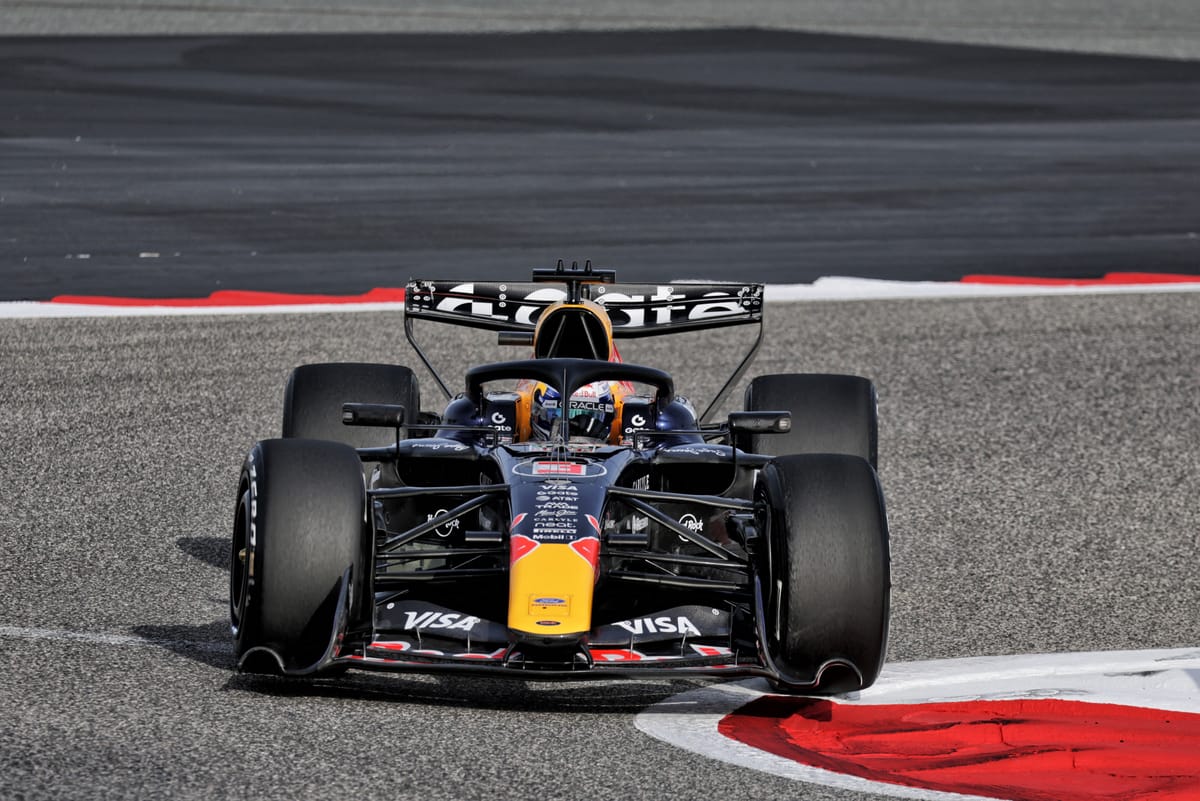
During the Bahrain pre-season test, Max Verstappen stood out by consistently using first gear in corners where other drivers used second, showcasing a unique downshifting technique. This aggressive approach, which generates high engine revs under braking, is a deliberate tactic believed to be linked to maximizing energy recovery for the upcoming 2026 power unit regulations.
Why it matters:
The 2026 engine formula will place a much greater emphasis on electrical energy harvested from the MGU-K. Teams are already exploring methods to recharge the battery more aggressively. Verstappen's visible experimentation suggests Red Bull Powertrains may be building its engine philosophy around a high tolerance for such treatment, potentially giving it a foundational advantage in the next regulatory era.
The details:
- At the slow Turn 10 left-hander, Verstappen repeatedly downshifted to first gear while still braking heavily, creating a notable spike in engine revs and causing the car to squirm.
- This technique harvests kinetic energy from the rear axle under braking, converting it to electrical energy to charge the battery.
- Verstappen also employed specific downshifting patterns, such as executing double downshifts (e.g., fifth-to-fourth-to-third in quick succession) followed by a pause before another rapid double downshift.
- While a few other drivers, notably in the Audi, experimented with the approach, they appeared less comfortable. The Red Bull RB20 handled the aggressive shifts with relative stability, a stark contrast to the car's awkward behavior 12 months ago.
- In comparison, Ferrari and Mercedes-powered cars appeared to use more conventional, less aggressive downshifting strategies during the test.
What's next:
This is likely just the first visible phase of a steep learning curve for all teams. As understanding deepens, other squads may adopt or develop their own methods to achieve similar energy recovery goals. Whether Red Bull's specific technique becomes a replicable standard or a unique strength rooted in its engine's design tolerance will be a key technical storyline to watch develop throughout the 2025 season and beyond.
Don't miss the next lap
Get the deep dives and technical analysis from the world of F1 delivered to your inbox twice a week.
Zero spam. Only high-octane analysis. Unsubscribe anytime.
Join the inner circle
Get the deep dives and technical analysis from the world of F1 delivered to your inbox twice a week.
Zero spam. Only high-octane analysis. Unsubscribe anytime.
Continue Reading
View More News