The Ghost in the Machine: How a Single Errant Data Point Wrecked Verstappen's Weekend

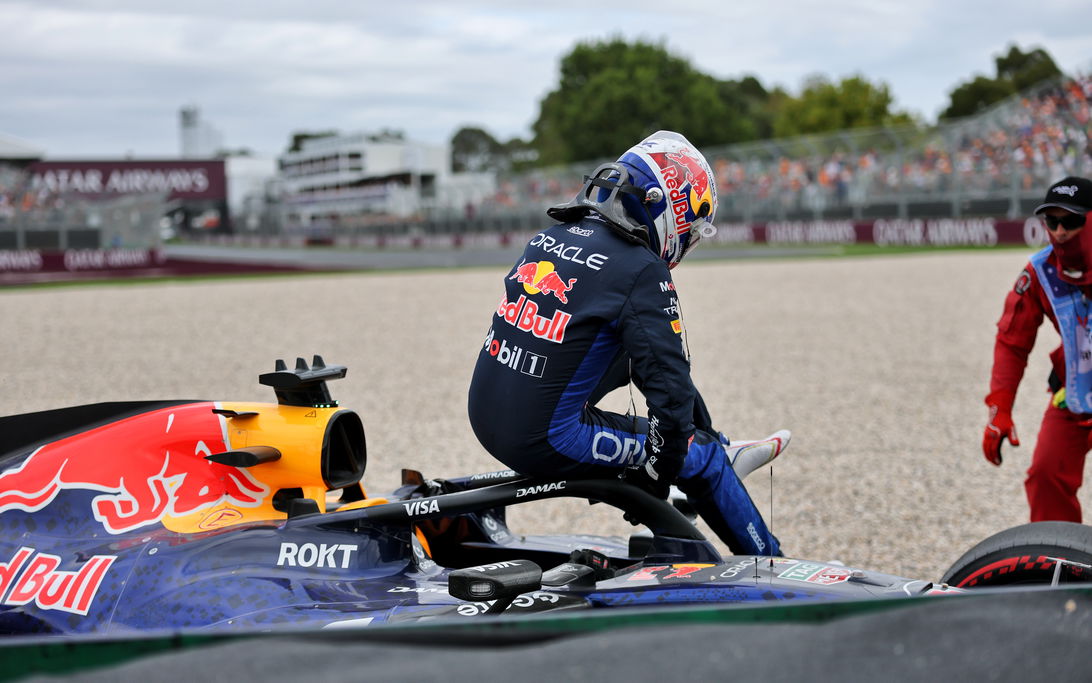
Max Verstappen's shocking Q1 crash at the Australian GP was caused by a software failure in his Red Bull's Energy Recovery System, not driver error. The glitch triggered a safety mode that locked the rear brakes, illustrating the early-stage reliability challenges of F1's new 2026 power unit regulations and compromising his race start.
I stared at the telemetry trace from Verstappen’s RB22, and it looked like a heart attack on a graph. A smooth, aggressive pulse of acceleration, the blip of a downshift, and then—flatline. The rear axle speed data didn’t decay; it shattered. For a data analyst, this isn't a crash report; it's a crime scene. And the culprit wasn't the driver, but a single, terrified algorithm. Max Verstappen’s brutal qualifying crash in Melbourne wasn't an accident. It was a pre-programmed execution, carried out by software designed to protect the very hardware it destroyed.
The official line from Red Bull and Racingnews365 is an ERS software glitch. Clean. Technical. Neatly filed under "teething problems" for the 2026 regulations. But that language sanitizes the truth. This was a failure of philosophy. We have built cars so complex, so dependent on a cascade of interlocking digital commands, that we have removed the human’s right to crash on their own terms. Verstappen became a passenger in his own catastrophe because a line of code, reading an "abnormal" data point on engine speed and axle motion, decided it knew better.
The Algorithm Overrides the Animal
Let's dissect the sequence, because the devil is in the data, and this devil is a coward.
- The Trigger: On his first flying lap in Q1, approaching Albert Park's Turn 1, Verstappen downshifts. The car’s nervous system—a web of sensors—feeds data to the ERS brain.
- The Misread: One sensor, or the software interpreting its stream, hiccups. It reads a potential mismatch, a ghost in the machine.
- The Panic: The software’s prime directive is to protect the expensive, intricate power unit. Faced with an anomaly it cannot comprehend, it defaults to its safest possible state: it triggers a ‘safe mode’ and automatically engages the engine brake.
- The Inevitable: This intervention overrides the brake-by-wire system. The rear axle locks instantly. Verstappen’s inputs are rendered null. The barrier awaits.
"Very brutal," said Team Principal Laurent Mekies. That’s the human summary. The data summary is colder: system integrity was prioritized over vehicle control. The car chose to save itself from a phantom threat, guaranteeing its own destruction in the process.
This is the sterile future I fear. We are coding intuition out of the equation. Michael Schumacher in 2004 felt a vibration, a hesitation, through the seat of his pants and the wheel in his hands. He managed it, compensated for it, and brought the car home. Today, a sensor feels a vibration, misinterprets it, and the central computer, with zero context of the driver’s intent or the race situation, makes a catastrophic decision. We are trading feel for firmware, and the 2026 regulations, with their even greater emphasis on software-managed energy flows, will only deepen this dependency.
The Unfair Narrative & The Coming Sterility
This incident throws Ferrari’s Fred Vasseur’s prediction of a "potentially chaotic race" into sharp relief. But his chaos won't come from driver bravery or error. It will come from system failures. The narrative machine, however, is already primed to misattribute this new kind of chaos.
Consider this: if this software glitch had manifested as a sudden, uncontrollable power surge that spun Charles Leclerc into the same barrier, the headlines would not read "ERS Glitch Traced as Cause." They would read "Leclerc Error Costs Ferrari Again." We have a confirmation bias built into our storytelling. Verstappen’s raw pace data from 2022-2023 shows a metronomic, almost machine-like consistency, so when his machine fails, we blame the machine. For others, the narrative defaults to driver flaw, often obscuring the strategic or technical blunders that truly shaped the outcome.
The 2026 season is shaping up to be a war of reliability, but not in the traditional sense of blown engines or gearboxes. It will be a war of software stability. The podium will be decided by which team’s algorithms panic the least. The driver’s role is being reduced from conductor to a privileged observer in the cockpit, tasked with managing the emotions the car’s brain cannot feel, while his own instincts are increasingly locked out by failsafes.
We are heading toward robotized racing. The pit stops are already algorithmically optimized. The energy management is a pre-scripted map. And now, the very act of driving is subject to digital veto. Where is the soul in that? Data should be our tool for emotional archaeology, to understand why a driver’s lap times dip before a personal milestone, or how pressure manifests in micro-corrections on the steering trace. Instead, we’re using it to build a cage.
Conclusion: The Human Heart vs. The Digital Pulse
Verstappen will start the Australian Grand Prix from the back, a recovery drive dictated by a software bug. The story will be about his charge through the field. But the real story happened in a microsecond before the impact.
A single, errant data point was judged more credible than the world champion holding the wheel. The system did not trust the human. That is the foundational shift this sport is undergoing. We are building perfect, paranoid machines that can’t handle imperfection, not even the kind they hallucinate themselves.
The 2004 Ferrari was a beast Schumacher tamed with a blend of preternatural feel and relentless engineering. The 2026 Red Bull is a supercomputer on wheels that can, in a moment of confusion, decide to tame its driver. The question for this new era isn't who has the fastest car. It’s this: When the data and the driver disagree, who do we want to have the final say? The numbers from Melbourne suggest we’ve already made our choice, and it’s a choice that leaves skid marks on the soul of the sport.