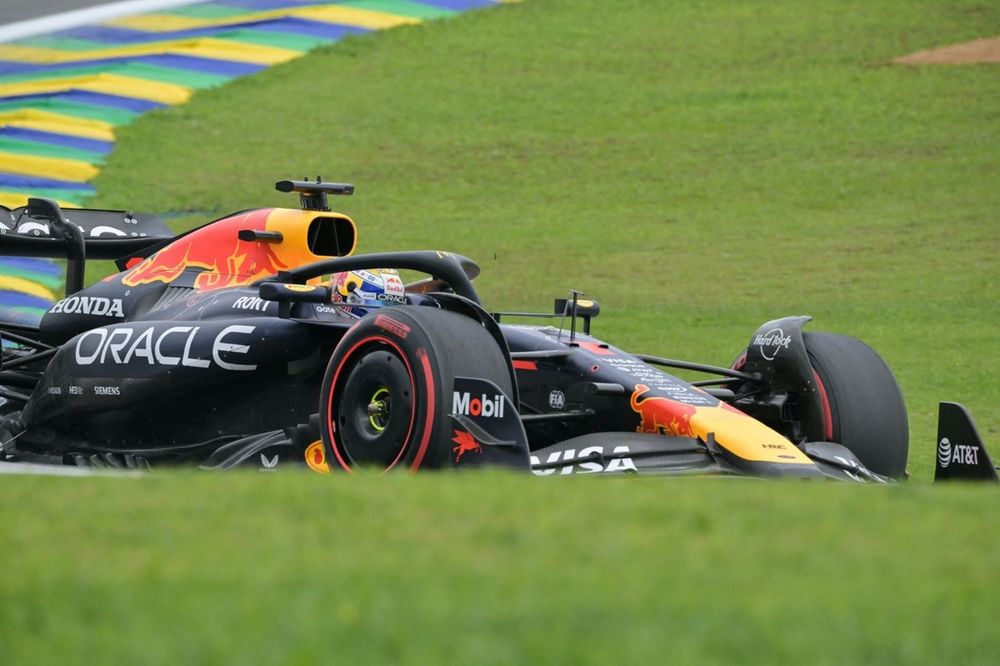
Verstappen's Brazil GP Pitstop: Why Red Bull Forfeited the Lead
Max Verstappen's unexpected pitstop during the Brazil GP, while leading, was a calculated move by Red Bull. Despite forfeiting the lead, the team prioritized a podium finish over a risky P1 on severely degraded medium tires, opting for fresh softs. This decision, though debated, secured Verstappen a third-place finish and highlights the critical role of tire management in F1.
Max Verstappen, starting from the pitlane, found himself leading the Brazilian Grand Prix after Lando Norris's second stop. However, Red Bull opted for a final pitstop for Verstappen, ceding the lead, as they doubted his aging medium tires could sustain the pace. This strategic call put Verstappen back in fourth, but equipped with softs, he powered his way to a podium finish, igniting debate on whether a P2 was achievable if he had stayed out.
Why it matters:
Red Bull's decision to pit Verstappen, despite holding the lead, highlights the critical role of tire degradation and strategic foresight in Formula 1. This move, which ultimately secured a podium finish, underscores the tight margins and high stakes involved in race management, especially when battling for championship points.
The details:
- Strategic Call: Verstappen led by nearly seven seconds over Norris when he pitted on lap 54. Red Bull's concern was the rapid degradation of his 16-lap-old medium tires against Norris's fresh C3s.
- Performance Data: Lap time analysis showed Norris consistently in the low 1m13s, while Verstappen was projected to drop into the 1m14s, making it impossible to hold the lead.
- Team Principal's View: Red Bull team principal Laurent Mekies stated, "We don't think it was winnable. We would probably never know where we would have finished, but obviously it's a discussion that the guys had on the pitwall." He emphasized the high tire degradation made a P1 impossible.
- Podium Push: After pitting for soft tires, Verstappen quickly overtook George Russell to secure a podium spot, showcasing the effectiveness of the fresh rubber.
- Antonelli's Pace: Andrea Kimi Antonelli, running second, maintained a strong pace, even lapping faster than Norris on C3s for a period, making him a formidable opponent had Verstappen stayed out.
- McLaren's Agreement: McLaren team boss Andrea Stella concurred, saying the degradation was too high for Verstappen to risk finishing the race on the same set of mediums. He believed pitting for new softs was "the right thing to do."
The big picture:
This race perfectly illustrates how even the strongest teams, with the most dominant drivers, are at the mercy of tire management and strategic decisions. Red Bull's conservative but ultimately effective call secured valuable points, preventing a potential collapse in performance due to excessive tire wear. It also demonstrates the dynamic nature of F1, where a lead can evaporate in a few laps if tire strategy isn't precisely managed.
What's next:
The debate over "what if" Verstappen had stayed out will likely continue, but Red Bull's proactive approach in Brazil offers a glimpse into their calculated risk management. As the season progresses, such decisions will become even more crucial, with teams constantly balancing aggressive tactics against conservative, points-focused strategies. The focus will now shift to how teams learn from these real-time scenarios to optimize future race strategies, particularly concerning tire wear on various track surfaces and conditions.