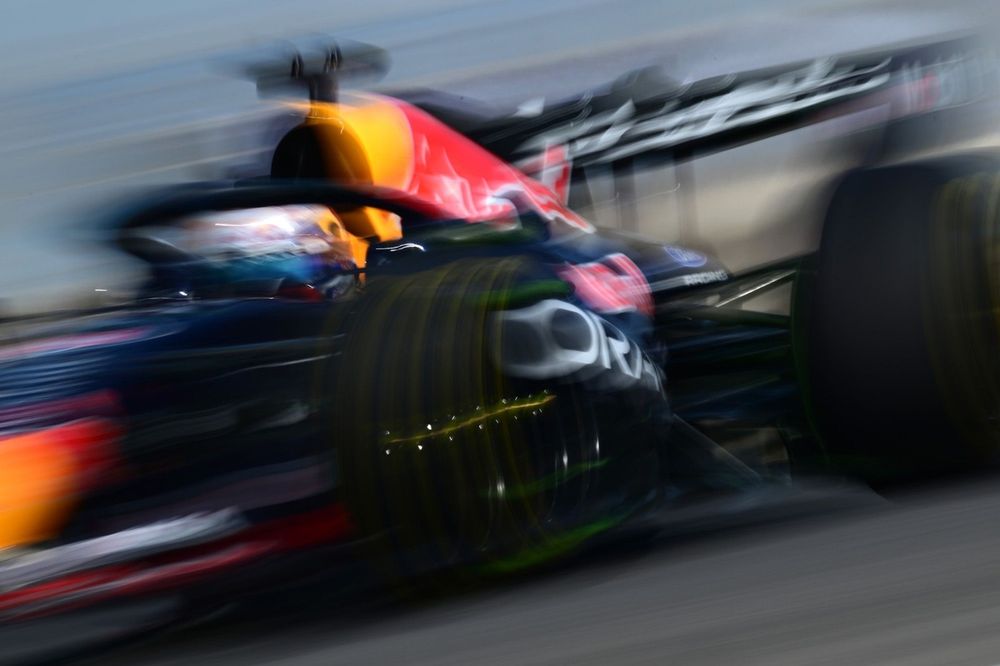
Verstappen's Sarcastic Warning: 2026 F1 Cars May Need to Brake on Las Vegas Strip
Max Verstappen has issued a stark, sarcastic warning about Formula 1's 2026 cars, suggesting drivers may need to brake on the Las Vegas Strip due to extreme energy harvesting demands. His comments highlight a broad concern among drivers that new power unit regulations could force excessive 'lift-and-coast,' ruining the spectacle at high-speed circuits like Monza and Spa.
Max Verstappen has sarcastically suggested that Formula 1 drivers might have to brake halfway down the Las Vegas Strip under the sport's new 2026 power unit regulations, highlighting widespread driver concern over extreme energy management requirements. The three-time champion's comments underscore a growing fear that the pursuit of greater electrification could come at the cost of flat-out racing and spectacle on F1's fastest circuits.
Why it matters:
The 2026 power unit regulations, with a significantly expanded electrical component, are forcing drivers into unprecedented levels of 'lift-and-coast' even on straights to harvest energy. If top drivers like Verstappen feel the need to caricature the situation by suggesting braking on one of the world's most famous straights, it signals a potential fundamental flaw that could make the cars appear slow and counter-intuitive to race, undermining the core appeal of the sport.
The Details:
- Verstappen identified several classic circuits where he predicts the energy management will be a "real disaster," including Melbourne, Monza, and Spa-Francorchamps, due to their long, full-throttle sections.
- His specific Las Vegas example—suggesting braking on the nearly 2km Strip section—was a pointed critique of how the new energy recovery demands could ruin the spectacle of speed.
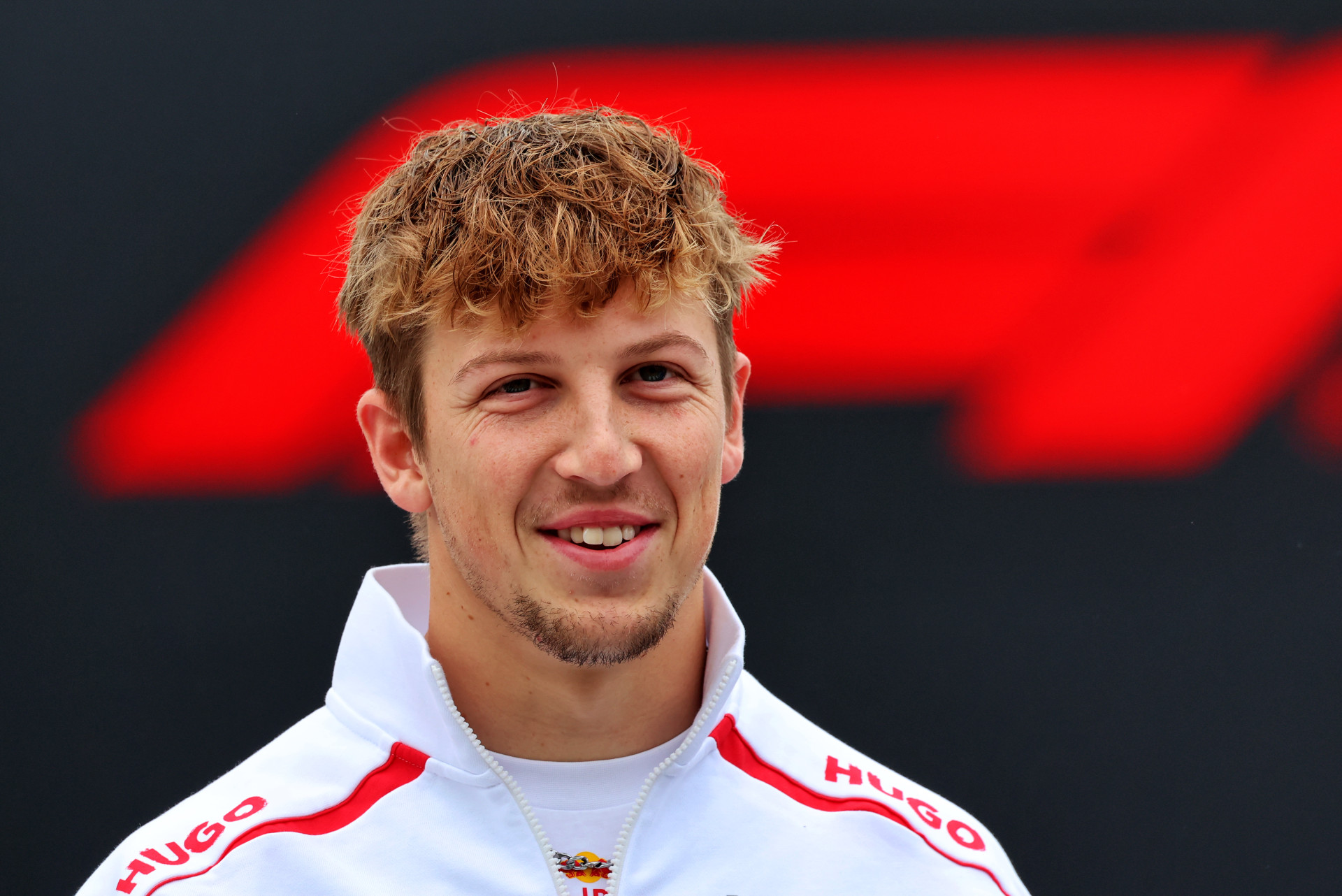
- Driver Consensus: While Verstappen has been the most vocal, he is not alone. Sergio Perez called the situation "not ideal," and Liam Lawson was left speechless when asked if the car was fun to drive.
- Contrasting View: McLaren's Lando Norris offered a dissenting opinion, labeling the challenge "a good, fun challenge," though he also claimed not to have done any lift-and-coast during his simulator run.
- Quantifying the Issue: Lewis Hamilton provided a tangible example, stating drivers were lifting for approximately 600 meters on the main straight at the Circuit de Barcelona-Catalunya during simulations.
What's Next:
The driver feedback, particularly from a figure of Verstappen's stature, places immediate pressure on the FIA and F1 to review the simulation data and the real-world implications of the 2026 rules. With the regulations still in the developmental phase, there is time for adjustments, but the governing bodies must balance technical ambition with preserving the essence of wheel-to-wheel racing. The court of public opinion, swayed by star drivers, will be a significant factor in whether the 2026 cars are seen as a revolutionary step forward or a regulatory misstep.
Don't miss the next lap
Get the deep dives and technical analysis from the world of F1 delivered to your inbox twice a week.
Zero spam. Only high-octane analysis. Unsubscribe anytime.
Join the inner circle
Get the deep dives and technical analysis from the world of F1 delivered to your inbox twice a week.
Zero spam. Only high-octane analysis. Unsubscribe anytime.
Continue Reading
View More News