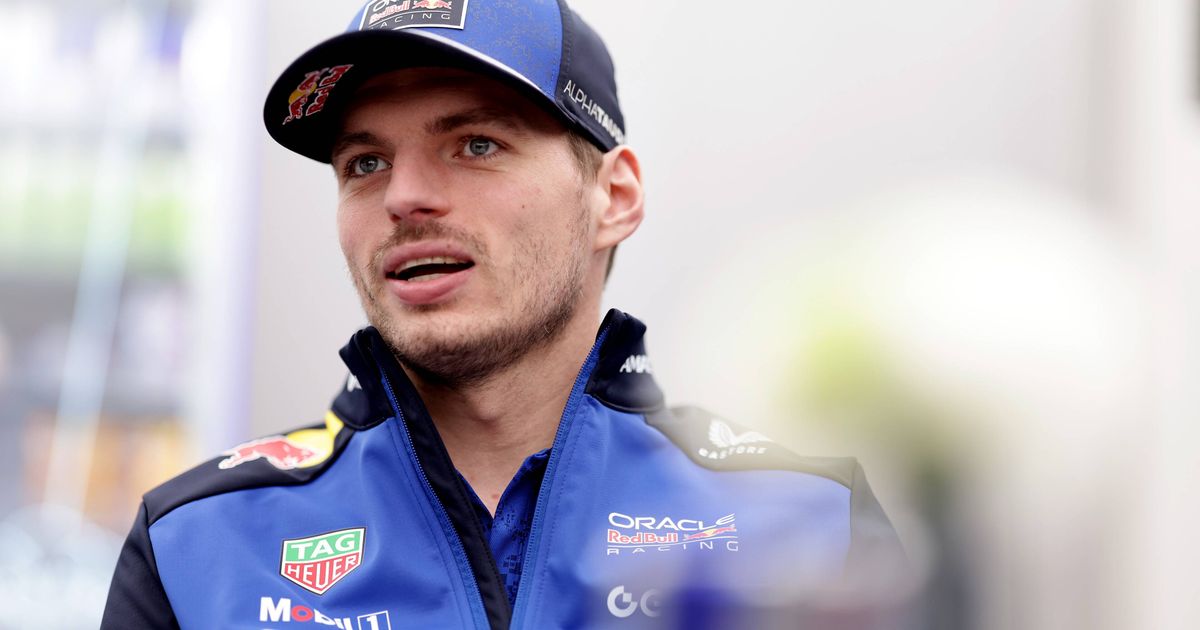
Verstappen's Unnecessary Confrontation with Journalist Draws Criticism
Max Verstappen forced a journalist to leave a press conference in Japan, refusing to speak until he did, due to a critical question asked months earlier. The move has been criticized as an unnecessary escalation that challenges the media's role in holding figures accountable.
Max Verstappen's blunt ejection of a journalist from a media session in Japan has sparked debate, highlighting the tension between a champion's competitive fire and the media's role. The incident, stemming from a question asked months prior, saw Verstappen refuse to speak until the reporter left, raising questions about athlete-media relations in Formula 1.
Why it matters:
This confrontation goes beyond a simple personality clash. It tests the boundaries of acceptable conduct for a reigning world champion and challenges the essential role of a free press in sports. If drivers can selectively exclude journalists for asking critical questions, it risks creating an environment where only favorable coverage is tolerated, undermining the integrity and transparency of the sport's narrative.
The details:
- The incident occurred during a scheduled Q&A at the Japanese Grand Prix, where Verstappen explicitly stated he would not begin until a specific journalist from The Guardian left the room.
- The root cause was a question the same journalist asked after the 2025 Abu Dhabi Grand Prix regarding Verstappen's penalized collision with George Russell—a crash that ultimately cost Verstappen points in that year's championship fight.
- Verstappen had reacted negatively to the question at the time, and the Suzuka session was his escalated response, publicly expelling the reporter.
- No other journalists present intervened or showed solidarity with their colleague, a point noted in the original report.
What's next:
While Verstappen's honesty is often celebrated, this episode suggests a need for a more measured approach to media relations. The expectation for a champion of his stature is to rise above perceived slights. The incident is unlikely to result in formal sanction but serves as a reminder of the delicate balance between a driver's right to their feelings and the media's duty to ask challenging questions. How Verstappen and other drivers manage these interactions moving forward will be closely watched.
Don't miss the next lap
Get the deep dives and technical analysis from the world of F1 delivered to your inbox twice a week.
Zero spam. Only high-octane analysis. Unsubscribe anytime.
Join the inner circle
Get the deep dives and technical analysis from the world of F1 delivered to your inbox twice a week.
Zero spam. Only high-octane analysis. Unsubscribe anytime.
Continue Reading
View More News