Verstappen slams 2026 F1 rules as 'Formula E on steroids', questions driver enjoyment
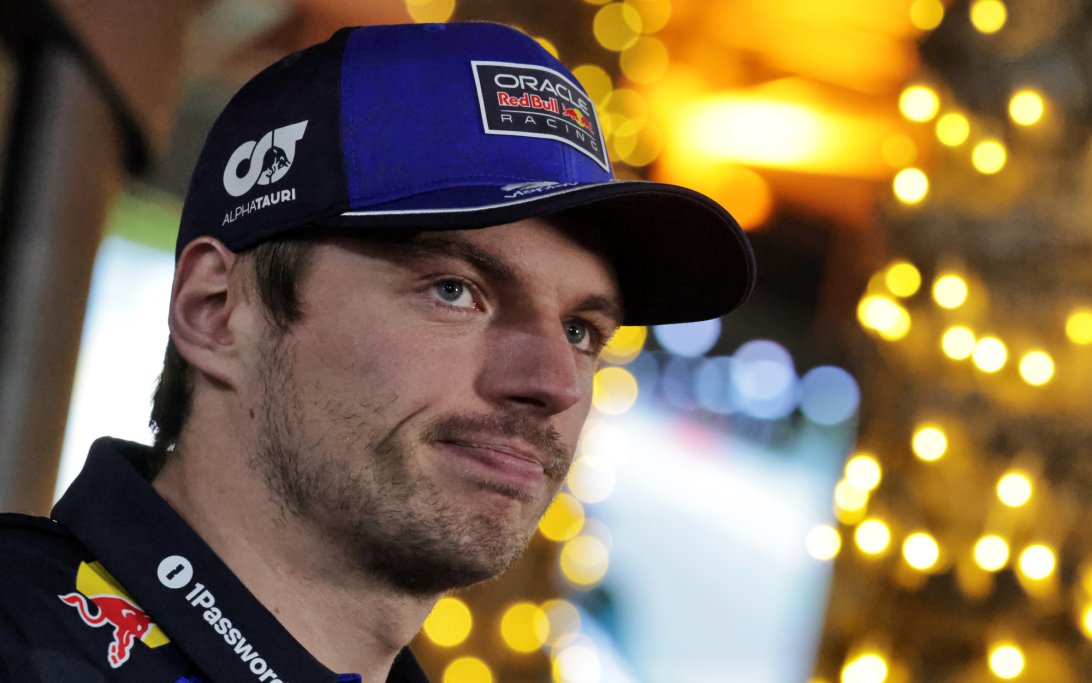
Max Verstappen has harshly criticized the planned 2026 F1 regulations, comparing the driving experience to "Formula E on steroids" due to heavy energy management demands. He argues the focus on efficiency over flat-out performance feels "anti-racing" and not like traditional Formula 1.
Max Verstappen has launched a fierce critique of Formula 1's incoming 2026 technical regulations, labeling the driving experience as "not a lot of fun" and suggesting it would be "better to drive in Formula E" due to extreme energy management demands. The reigning world champion argues the new rules, which massively increase electrical power, feel "anti-racing" and not like traditional F1.
Why it matters:
Verstappen’s blunt criticism from the heart of the championship-winning team highlights a fundamental tension in F1's evolution: balancing technological progress and sustainability goals with the core, visceral driver challenge that defines the sport. His comments question whether the 2026 rules, designed for a greener future, might sacrifice the flat-out racing spectacle that attracts fans.
The details:
- The 2026 power unit rules mandate a 50-50 split between the internal combustion engine and electrical systems, with battery power output skyrocketing from 120kW to 350kW.
- This shift forces drivers to meticulously manage their car's state of charge, potentially requiring "lift and coast" even during qualifying laps to avoid complete energy depletion, which would leave the car running on ICE power alone.
- "Formula E on steroids": Verstappen described the sensation as such, stating the focus on energy efficiency and management inputs feels alien to Formula 1's traditional ethos of driving flat-out.
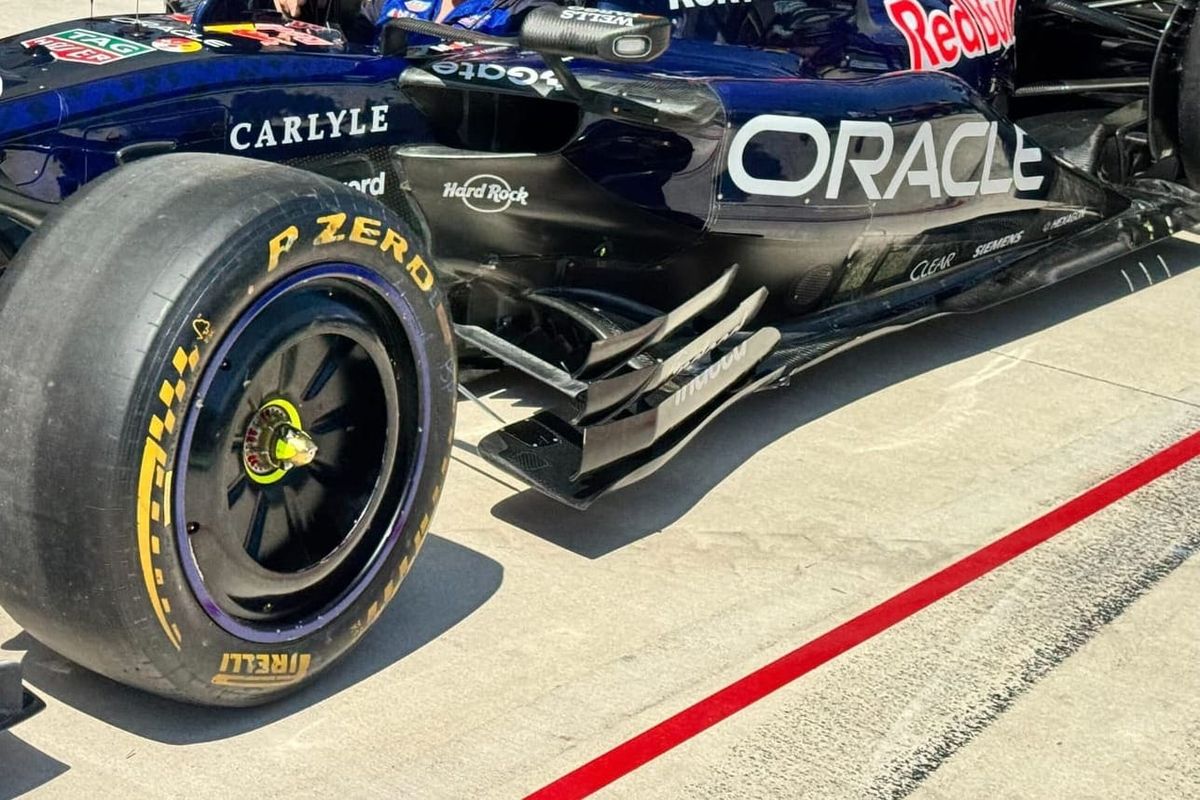
- He clarified his critique is of the regulations, not his team's work, acknowledging the immense effort from Red Bull Powertrains on their new engine.
- Despite his reservations, Verstappen committed to giving his best once in the car, driven by team and fan excitement.
What's next:
Verstappen’s outspoken remarks are likely to fuel ongoing debate about the 2026 regulations' sporting impact. While the rules are set, his feedback as the sport's leading driver adds significant weight to concerns about driver involvement and race spectacle. The focus now shifts to how teams and drivers adapt to this new paradigm, and whether the on-track product remains compelling under what Verstappen views as constrained conditions.
Don't miss the next lap
Get the deep dives and technical analysis from the world of F1 delivered to your inbox twice a week.
Zero spam. Only high-octane analysis. Unsubscribe anytime.
Join the inner circle
Get the deep dives and technical analysis from the world of F1 delivered to your inbox twice a week.
Zero spam. Only high-octane analysis. Unsubscribe anytime.
Continue Reading
View More News