Vowles defends Mercedes engine amid compression ratio controversy
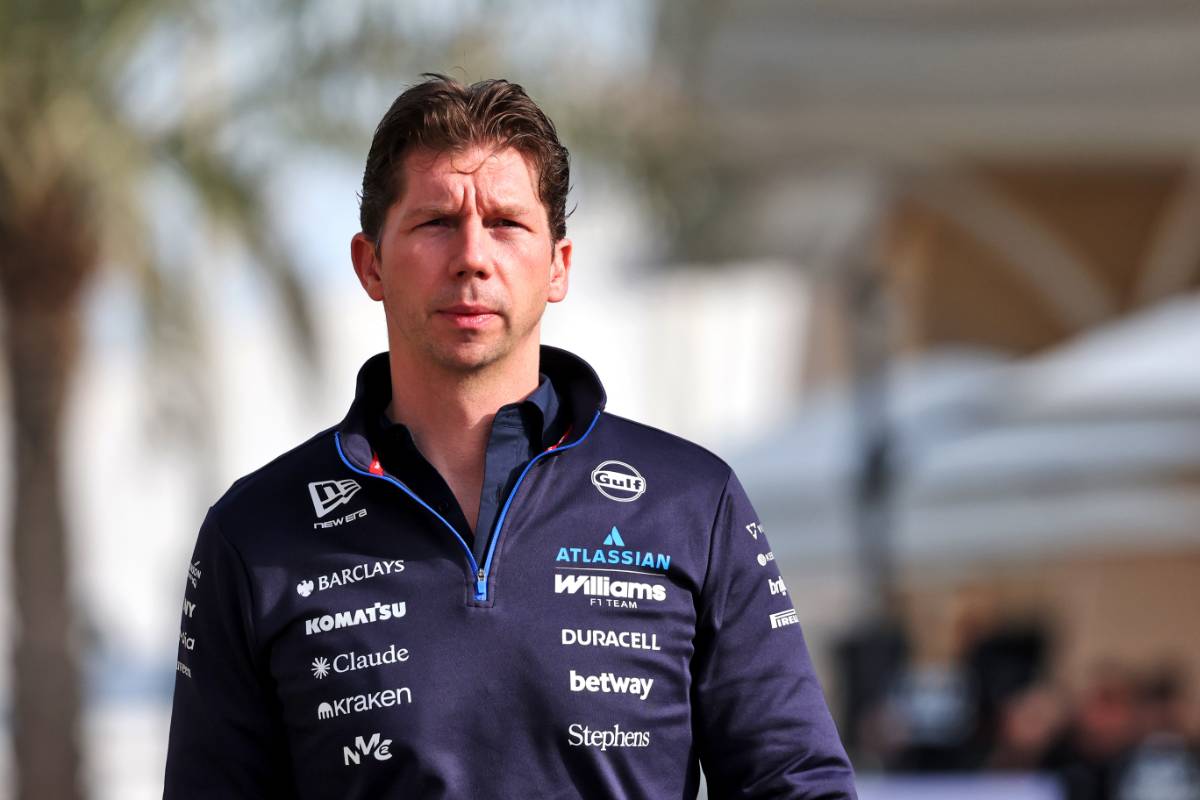
Williams boss James Vowles has robustly defended the Mercedes power unit against rival claims it exploits a compression ratio 'grey area,' calling the complaints politically motivated. He insists the engine is fully legal and that F1 must reward, not punish, superior engineering. The FIA now faces pressure to investigate while avoiding a disruptive mid-season rule change.
Williams team principal James Vowles has launched a fierce defense of Mercedes' power unit, dismissing rival complaints about its alleged ability to push compression ratio limits as the frustrated cries of competitors who failed to achieve the same engineering feat. He argues that the sport must remain a meritocracy where clever innovation is rewarded, not punished through political pressure.
Why it matters:
The controversy strikes at the core of Formula 1's identity as a technical competition. If the FIA intervenes to curb a perceived advantage found within the written rules, it risks undermining the "best engineering wins" principle that has driven innovation for decades. The outcome could set a precedent for how grey areas are handled in future regulation cycles.
The details:
- Rivals Audi, Ferrari, and Honda have sent a joint letter to the FIA, alleging the Mercedes power unit operates at a higher compression ratio on track than in static tests, potentially stretching the 16:1 limit.
- Vowles, a former long-time Mercedes strategist, staunchly defends the engine's legality, stating it is "completely compliant with the regulations" and represents years of meticulous work.
- He frames the rivals' complaints as political maneuvering, bluntly stating, "I'm sure other teams are pissed off. They weren't able to achieve what Mercedes did."
- The Williams boss warns that any mid-season regulatory change to testing procedures could have drastic consequences, potentially rendering eight cars (all Mercedes-powered entries) illegal and unfit for the grid.
- Vowles acknowledges the FIA's difficult position in policing thousands of engineers but urges the governing body to see through what he views as competitive jealousy and uphold engineering meritocracy.
What's next:
The ball is now in the FIA's court. The governing body must investigate the technical claims, decide if the current testing methodology is sufficient, and determine whether a clarification or rule change is warranted. Any action will be a tightrope walk between ensuring fair competition and stifling the technical innovation that defines the sport. The resolution of this dispute will be closely watched as a benchmark for how F1 manages the tension between clear rules and clever interpretation.
Don't miss the next lap
Get the deep dives and technical analysis from the world of F1 delivered to your inbox twice a week.
Zero spam. Only high-octane analysis. Unsubscribe anytime.
Join the inner circle
Get the deep dives and technical analysis from the world of F1 delivered to your inbox twice a week.
Zero spam. Only high-octane analysis. Unsubscribe anytime.
Continue Reading
View More News