Vowles warns F1's meritocracy at risk over engine rule dispute
Williams chief James Vowles argues F1's core principle as an engineering meritocracy is at stake, as rivals seek to close a 2026 engine rule loophole exploited by Mercedes. He warns against moving towards a model that punishes innovation for the sake of parity.
Williams team principal James Vowles has issued a stark warning that Formula 1's fundamental identity as a meritocracy is under threat, amid a heated dispute over a 2026 engine regulation loophole exploited by Mercedes. The controversy centers on whether to change the rules mid-cycle, potentially punishing Mercedes for its engineering ingenuity and setting a precedent for balancing performance rather than rewarding innovation.
Why it matters:
This debate strikes at the core of F1's philosophy. Vowles argues the sport faces a critical choice: remain a true engineering competition where clever solutions are rewarded, or shift towards a Balance of Performance (BoP) model common in other racing series, where advantages are artificially leveled. The outcome could redefine how technical innovation is treated in the sport's future.
The details:
- The conflict stems from Mercedes' interpretation of the 2026 power unit regulations. The rules mandate a 16:1 compression ratio limit, measured at ambient temperature.
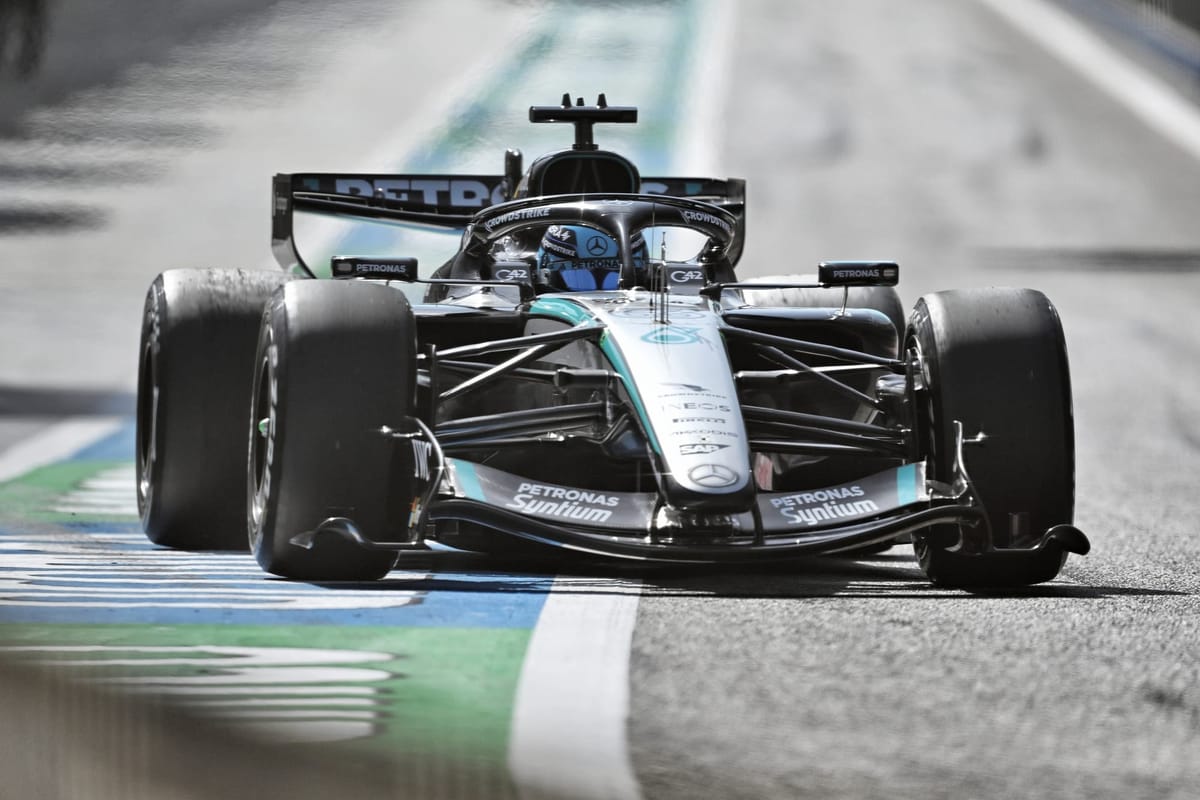
- Mercedes is believed to have engineered a system that operates at a higher, more efficient ratio when the engine is at running temperature, gaining a potential performance edge.
- Rivals Ferrari, Audi, Honda, and Red Bull Powertrains are collaborating on a proposal to change the rule, requiring measurement at operating temperature instead.
- If these four manufacturers agree, they could form a super-majority to force an immediate regulation change, pending support from the FIA and F1 management.
- Vowles, whose Williams team uses Mercedes customer engines, confirms he is in close contact with Mercedes and believes their current design is fully legal under the existing rules.
What's next:
The issue is set to reach a decisive point at the upcoming F1 Commission meeting in Bahrain. Vowles highlighted a major practical consequence: if the rules are changed and Mercedes' design is deemed non-compliant, it could theoretically leave eight cars (from Mercedes and its customer teams) unable to participate. The FIA's single-seater director, Nikolas Tombazis, has stated the governing body wants a resolution before the season starts and aims for a "championship of engineering prowess," not just "rule interpretation." The sport's stakeholders must now decide which principle takes precedence.
Don't miss the next lap
Get the deep dives and technical analysis from the world of F1 delivered to your inbox twice a week.
Zero spam. Only high-octane analysis. Unsubscribe anytime.
Join the inner circle
Get the deep dives and technical analysis from the world of F1 delivered to your inbox twice a week.
Zero spam. Only high-octane analysis. Unsubscribe anytime.