Was Piastri's 10-Second Penalty Too Harsh?
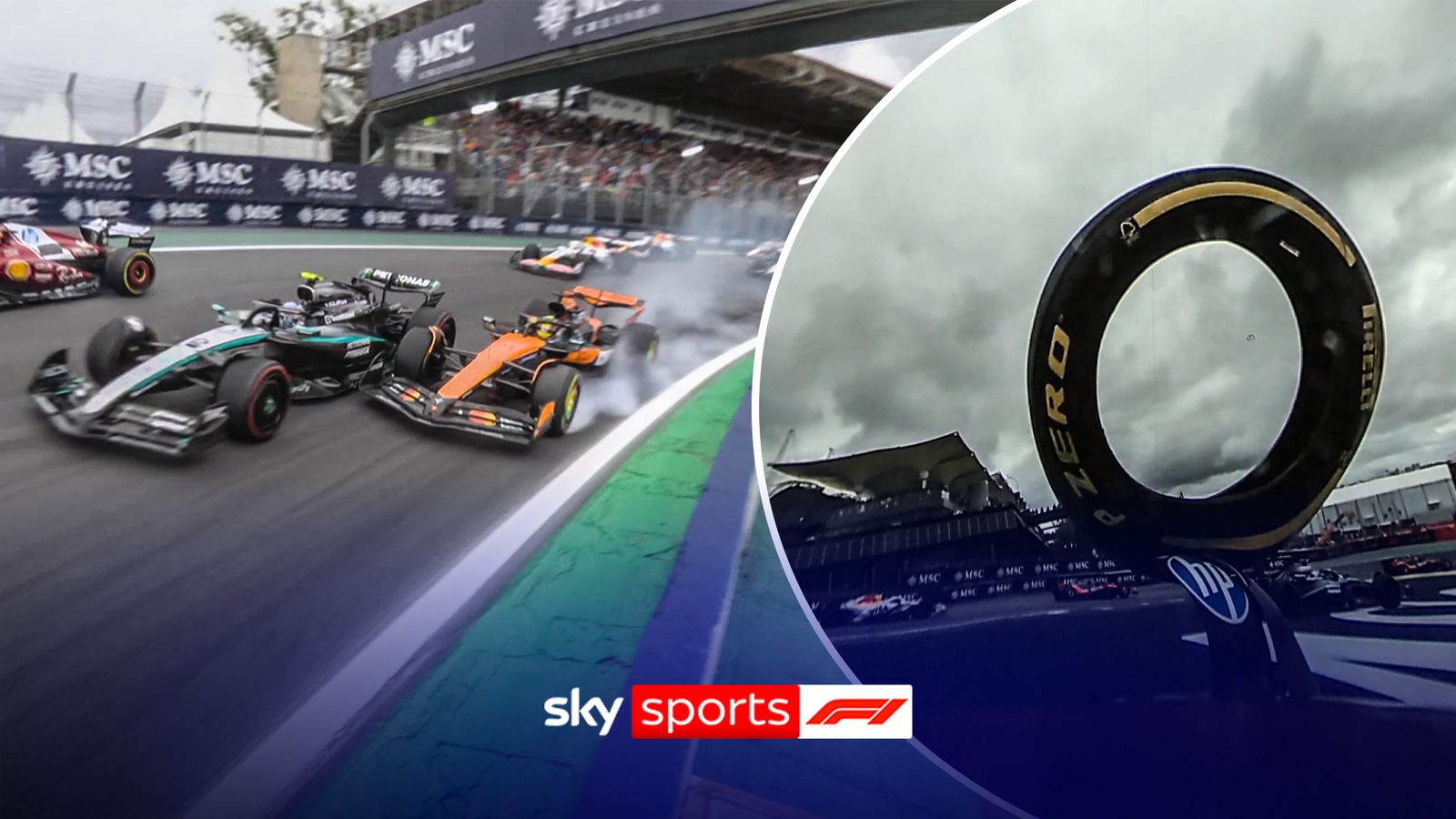
Oscar Piastri's 10-second penalty for a collision with Kimi Antonelli, which caused Charles Leclerc's DNF, is under scrutiny as new angles emerge. The incident has ignited a debate over the fairness and consistency of F1 stewarding, with many questioning if the penalty was overly harsh given the full context of the racing incident and its cascading effects.
Oscar Piastri's recent 10-second penalty has sparked considerable debate among F1 fans and pundits alike. The incident, involving a collision with Kimi Antonelli that ultimately led to Charles Leclerc's DNF, raises questions about the consistency and severity of stewarding decisions in Formula 1.
Why it matters:
Consistency in stewarding is paramount for the integrity and fairness of Formula 1 racing. Decisions that appear arbitrary or overly harsh can erode confidence in the sport's judicial process and impact driver strategies, particularly in a high-stakes championship battle. This particular incident, which affected multiple drivers, highlights the fine line stewards walk between ensuring fair play and allowing aggressive racing.
The details:
- The Incident: During a crucial race moment, Piastri made contact with Antonelli's car. While the initial impact seemed minor, it had a cascading effect, leading to damage that forced Charles Leclerc out of the race.
- Stewards' Decision: Race stewards promptly reviewed the incident and deemed Piastri primarily at fault, issuing a 10-second time penalty. This decision was based on their assessment of Piastri's line and judgment in the contested corner.
- New Angles Emerge: Subsequent to the race, new camera angles and onboard footage have surfaced. These fresh perspectives offer a more comprehensive view of the collision, revealing subtleties in driver inputs and car positioning that were perhaps not fully appreciated during the initial, quick review.
- Debate Points: Critics argue that the new angles suggest Piastri's maneuver, while contributing to the incident, might not have been a clear-cut case of sole culpability. Some posit that Antonelli's positioning or an element of a racing incident could have played a larger role. Others defend the stewards, stating that regardless of new angles, Piastri's actions initiated the sequence of events leading to Leclerc's DNF.
Between the lines:
This debate reflects a broader tension within F1: how much responsibility should be placed on a driver for an incident that has far-reaching consequences, especially when multiple factors are at play? The 'domino effect' of racing incidents often complicates culpability, making stewarding incredibly challenging. The emergence of new footage invariably fuels these discussions, as fans and analysts meticulously dissect every frame to assign blame or justify decisions.
What's next:
While the penalty has been served and the race results are final, the discussion surrounding Piastri's penalty will likely continue to influence future debates on racing incidents and stewarding. Teams and drivers often use such controversies to lobby for clearer guidelines or more nuanced interpretations of racing rules. This incident serves as a reminder of the constant quest for perfect justice in the fast-paced, often chaotic world of Formula 1.