What's behind Hamilton's sudden criticism of 2026 F1 cars
Lewis Hamilton's harsh critique of 2026 F1 cars as "slower than GP2" and overly complex was amplified by a tough testing day in Bahrain, but his underlying view is that the new chassis is more fun. His real concern is that fan-unfriendly, software-heavy energy management could undermine the racing.
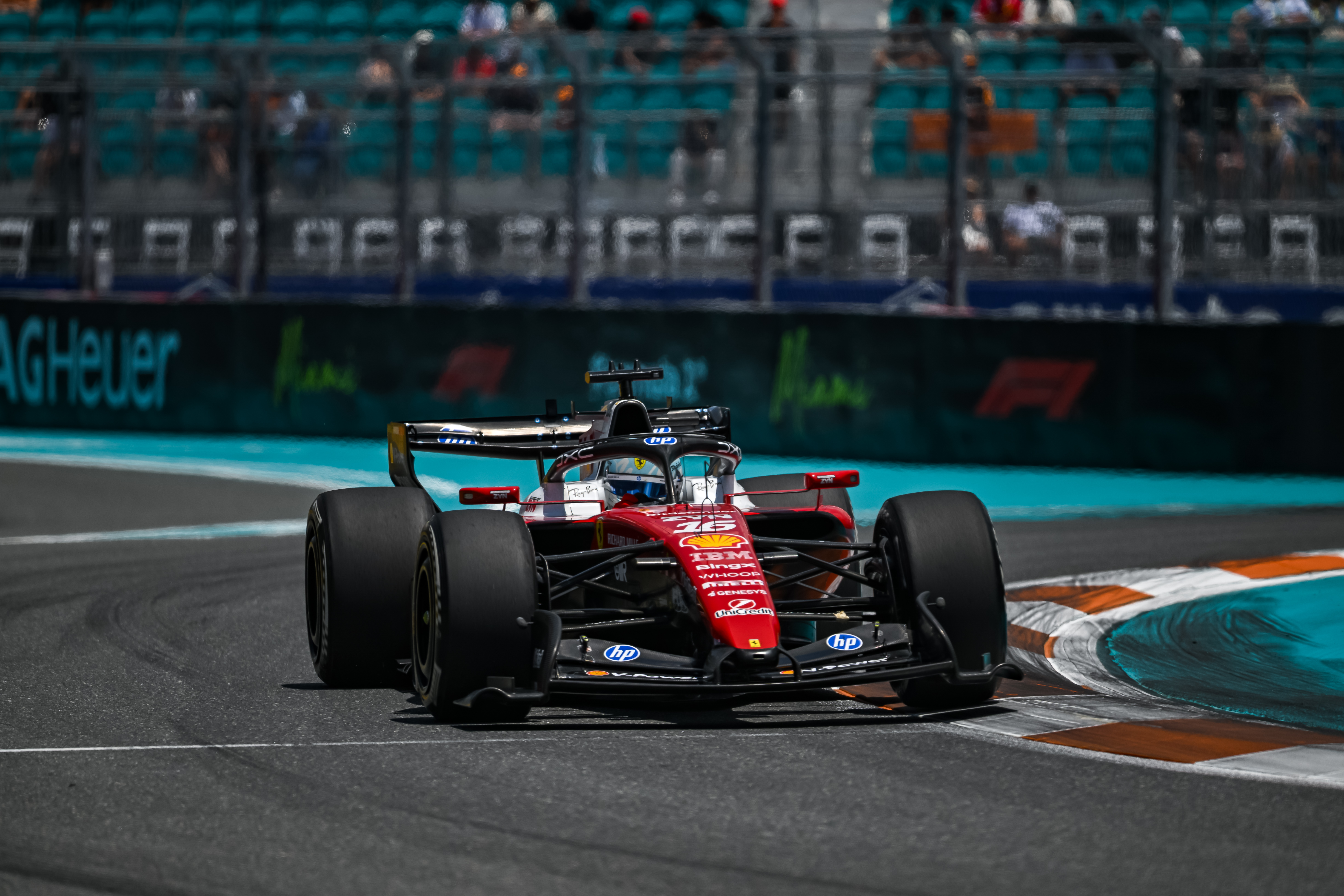
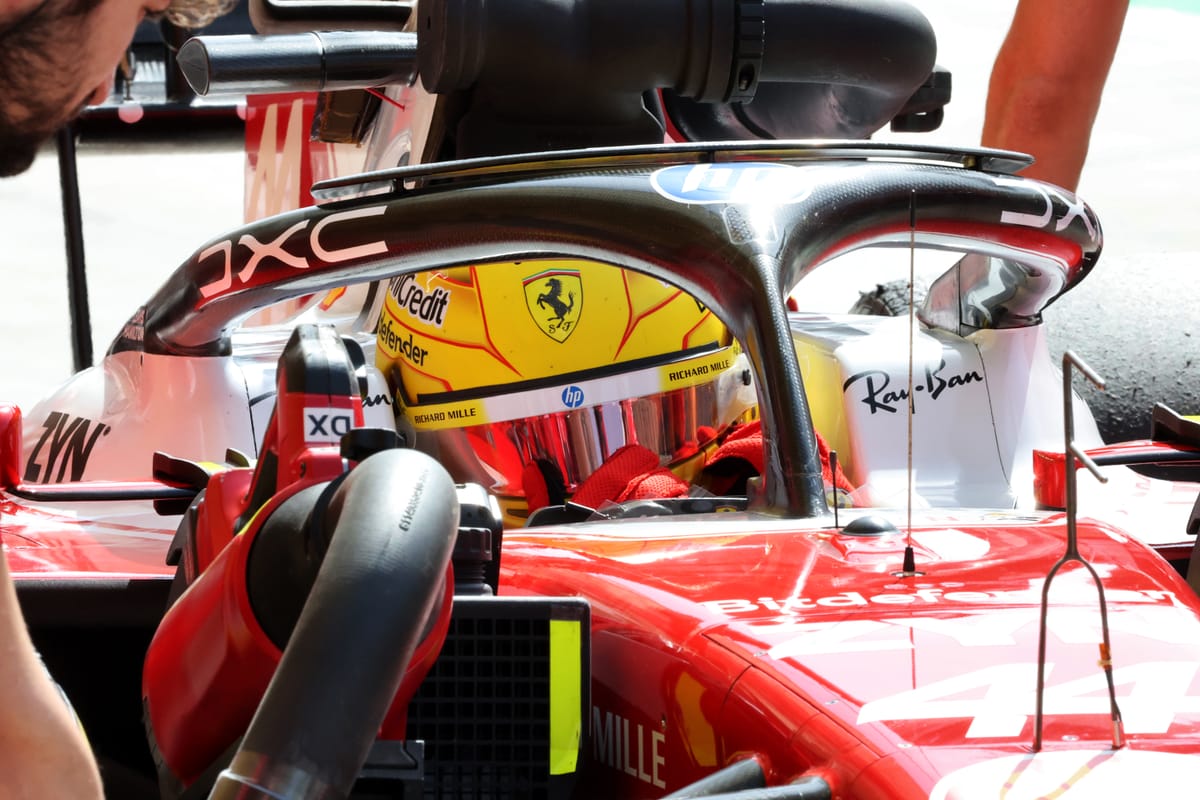
Lewis Hamilton's sharp criticism of the 2026 Formula 1 cars during a media session in Bahrain—citing "slower than GP2" pace and "ridiculously complex" systems—stemmed largely from a challenging day of testing in gusty conditions and the early development phase of his Ferrari. Despite the headline-grabbing remarks, his broader sentiment suggests he finds the new, shorter, and lighter cars more enjoyable to drive than the previous generation, even as significant concerns about energy management complexity remain.
Why it matters:
Hamilton's mixed feedback highlights the teething problems of a major regulatory shift. His perspective as a seven-time champion carries weight, and his critique of overly complex energy management speaks to a core fear: that the sport's technological arms race could alienate fans. Balancing driver skill with software-driven procedures is a central challenge for F1's new era.
The details:
- Context is Key: Hamilton's critical comments followed a difficult first session at a gusty and dusty Sakhir circuit, contrasting with his more positive initial impressions after testing in Barcelona.
- The GP2 Comparison: While claiming the cars felt slower than the old GP2 series, lap times in Bahrain were still roughly nine seconds faster than the current Formula 2 pole position, underscoring the hyperbolic nature of the comment made in the heat of the moment.
- A More Fun Car?: He described the new chassis as "shorter" and "lighter," making it "easier to catch" and "quite fun, like rallying," indicating a fundamental improvement in drivability over the previous ground-effect cars he struggled with.
- The Core Complaint: Energy Management: Hamilton pinpointed the heavy requirement for lift-and-coast—citing 600 meters on a single Barcelona qualifying lap—as antithetical to racing. He fears the complexity of the power unit and energy recovery systems will be impenetrable for fans.
- A Software Challenge: He explained the complexity involves algorithms that learn a driver's pattern each lap, which can be disrupted by mistakes like lock-ups, placing a new cognitive load on drivers to understand and manage the system.
What's next:
The true test will come as teams refine their cars and drivers adapt to the new procedures. Hamilton acknowledged "everyone's in the same boat," suggesting a universal learning curve. The focus for the FIA and teams will be to ensure the racing spectacle isn't sacrificed for technical complexity. If the cars prove raceable and the strategies engaging, Hamilton's early frustrations may fade, potentially unlocking a formula that better suits his driving style.
Don't miss the next lap
Get the deep dives and technical analysis from the world of F1 delivered to your inbox twice a week.
Zero spam. Only high-octane analysis. Unsubscribe anytime.
Join the inner circle
Get the deep dives and technical analysis from the world of F1 delivered to your inbox twice a week.
Zero spam. Only high-octane analysis. Unsubscribe anytime.