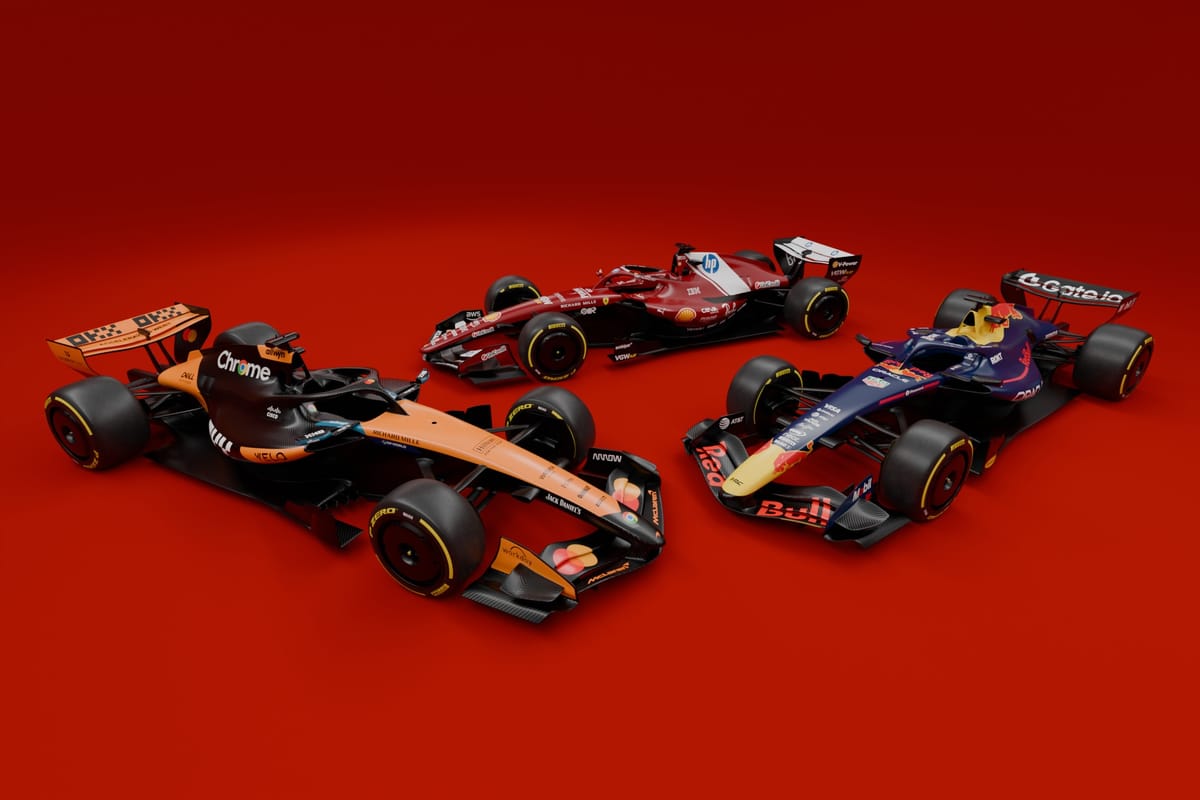
F1 Designers Brace for 2026 Regulations: Uncertainty Looms
Formula 1 designers are increasingly nervous about the 2026 regulations, particularly the intricate balance required between new power units and movable aerodynamics. Teams face unprecedented challenges in optimizing downforce, drag, and battery deployment, with the risk of fundamental design errors looming large. The first tests will be crucial as designers brace for unexpected issues, aiming to avoid the pitfalls seen with past rule changes.
Formula 1 teams are increasingly nervous about the 2026 regulations as designers grapple with complex, interconnected challenges, particularly regarding the new power units and movable aerodynamics. The uncertainty surrounding optimal downforce-to-drag ratios and battery deployment strategies is creating significant anxiety, with teams realizing the ease of making critical design errors that could define their competitive standing.
Why it matters:
The 2026 regulations represent a complete overhaul of F1 cars, with new chassis and power unit rules. This 'clean sheet' approach offers a rare opportunity for teams to leapfrog rivals but also presents a substantial risk of getting fundamental designs wrong. Misinterpretations or missed key elements could set a team back significantly, making these initial design phases incredibly high-stakes.
The Details:
- Interconnected Challenges: Designers face the daunting task of balancing downforce and drag levels for the new movable wings with the characteristics of the all-new power units. This balance is crucial for optimizing battery deployment throughout a lap.
- Downforce vs. Drag: Too much drag on straights could deplete energy reserves too quickly, while insufficient downforce would severely compromise cornering performance. Finding this 'sweet spot' is a major unknown.
- Power Unit Evolution: Even power unit suppliers are still discovering new aspects of their own designs, adding another layer of uncertainty for chassis designers who must integrate these units seamlessly.
- Complex Design Process: Haas technical director Andrea De Zordo highlighted that the 2026 chassis project has been one of the most complex in recent history, requiring extensive work for homologation and intricate detailing for components like the front wing mechanism.
- Aggressive Update Plans: Teams are pushing production as late as possible for their initial race packages, aiming to incorporate the latest learnings. However, significant mid-season updates will be difficult to plan without understanding how rivals perform during early tests.
- Lessons from 2022: Many teams, including Mercedes, struggled with unexpected issues like porpoising under the 2022 regulations despite extensive preparation. This experience serves as a stark reminder that even the most thorough simulations cannot fully predict real-world car behavior.
What's next:
As teams continue to develop their 2026 cars in the dark regarding rivals' progress, the first pre-season tests will be a critical learning phase. Early season performance will reveal who has best interpreted the regulations and provide crucial insights for rapid development.
- Teams are preparing for a rapid learning curve, anticipating significant discoveries once cars hit the track.
- The competitive order could see a dramatic shake-up, rewarding those who have made correct fundamental design choices and punishing those who have taken the wrong path.
- The ability to react quickly to rivals' innovations and adjust development plans will be paramount throughout the initial phase of the 2026 season.