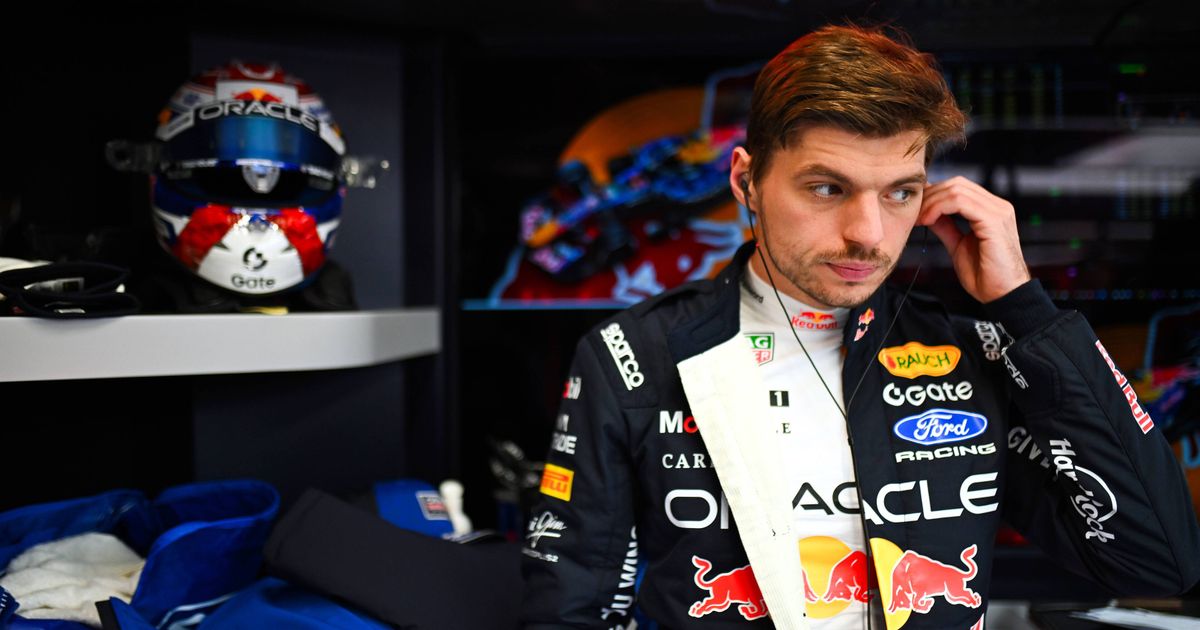
Why 2026 F1 starts could be chaotic for Verstappen and all drivers
The new 2026 F1 power unit regulations are turning race starts into a major challenge. Drivers must now pre-spool their turbos for several seconds before launching, creating a tricky timing dilemma that could lead to chaotic and unpredictable getaways, with safety a key concern for the season opener.
Formula 1 drivers are bracing for unpredictable and potentially chaotic race starts in 2026, with the new power unit regulations introducing a critical and tricky variable: turbo spool timing. During pre-season testing in Bahrain, drivers were seen holding high revs for up to 20 seconds before launching, a stark contrast to previous years, highlighting a new procedural challenge that could scramble the opening laps of the season.
Why it matters:
Race starts are one of the most critical moments in a Grand Prix, often defining the outcome. A new, less predictable procedure that varies from driver to driver increases the risk of slow getaways, collisions, and safety concerns, potentially handing early-season advantages or disadvantages based on who masters the new technique first.
The details:
- The 2026 power units require drivers to 'pre-spool' the turbo by holding high engine revs for an extended period—reportedly up to 10 seconds or more—before full power is available for the launch.
- This creates a delicate timing game. Starting the spool process too early risks losing control of the launch RPM; starting too late means lacking power when the lights go out.
- Drivers and team principals, including McLaren's Andrea Stella, have explicitly highlighted safety risks, worrying about cars being slow off the line if their power unit isn't ready.
- The final practice start on the grid in Bahrain descended into chaos, with cars stationary at different times and others having to take evasive action, foreshadowing race-day issues.
The big picture:
This shift moves the skill of a race start beyond just clutch control, traction, and reaction time. Drivers must now perfectly synchronize an additional mechanical process—getting the turbo into its optimal power window—with the five red lights going out. It adds a layer of complexity that could separate the grid, especially in the early races as teams are on a steep learning curve.
What's next:
All eyes will be on the season-opening Australian Grand Prix for the first real-world test. Drivers like Pierre Gasly and Charles Leclerc are openly predicting a memorable and chaotic start. While teams will work to refine procedures and improve consistency, the opening rounds of 2026 are likely to feature heightened unpredictability as the entire grid grapples with this new fundamental challenge.