Why Aston Martin's Newey-led 2026 project is already playing catch-up
Aston Martin's 2026 F1 car, designed by Adrian Newey and powered by Honda, is already estimated to be four seconds per lap off the pace in testing. Key delays in personnel and engine development, combined with the challenges of new regulations, have resulted in an overweight and unoptimized package. The team faces a steep recovery curve despite its star-studded lineup.
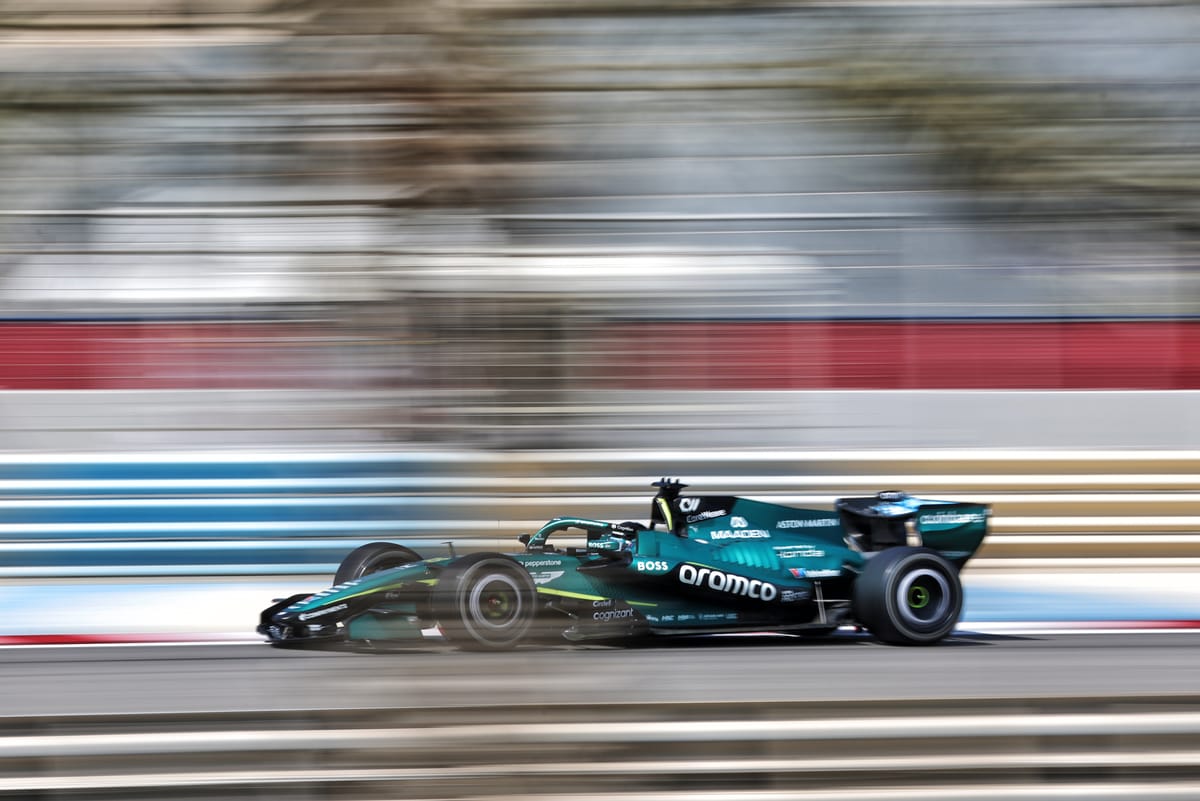
Aston Martin's highly anticipated 2026 car, the first developed under the leadership of legendary designer Adrian Newey and powered by Honda, is significantly off the pace at pre-season testing. The AMR26 arrived late to testing, has struggled for reliability and mileage, and drivers estimate it is currently around four seconds per lap slower than expected, highlighting a troubled start for F1's newest 'superteam' project.
Why it matters:
This slow start dashes the immediate hopes built around the ambitious combination of Newey's genius, Honda's championship-winning power unit expertise, and massive factory investment. It serves as a stark reality check that assembling top talent and resources does not guarantee instant success, especially under complex new technical regulations where integration and lead time are critical.
The details:
- A Delayed Start: Team representative Pedro de la Rosa pointed to two key delays: Newey not joining until March 2025, which he admitted set aerodynamic development back by four months, and Honda's 18-month effective hiatus from F1 R&D between its official withdrawal and the Aston Martin deal.
- A True Fresh Start: Despite Honda's recent success with Red Bull, its F1 program was largely dismantled after 2021. The partnership with Aston Martin, including a new fuel supplier in Aramco, represents a rebuild from scratch during a switch to more complex sustainable fuels.
- Organizational Challenge: Newey and other high-profile recruits like ex-Ferrari chief Enrico Cardile cannot instantly fix underlying organizational weaknesses. The team is still learning its own new processes and tools while developing the car.
- A Compromised Package: The car appears tricky to drive, overweight, and down on both power and efficiency. A critical issue is its struggle with the 2026 rules' emphasis on battery charging under braking, with the AMR26 suffering from constant lock-ups and unpredictability.
- Lost Development Time: Being late to build the car and subsequent reliability issues have left Aston Martin with minimal mileage, putting it far behind rivals in understanding and optimizing its new package.
What's next:
The team acknowledges there is no quick fix and is on a "steep learning curve." De la Rosa expressed confidence in the people and resources in place, emphasizing Newey's clear leadership in directing the team's efforts following setbacks. The focus is now on a long-term development plan to slowly close the gap, with the true potential of the Newey-Honda partnership likely only emerging later in the season or beyond.
Don't miss the next lap
Get the deep dives and technical analysis from the world of F1 delivered to your inbox twice a week.
Zero spam. Only high-octane analysis. Unsubscribe anytime.
Join the inner circle
Get the deep dives and technical analysis from the world of F1 delivered to your inbox twice a week.
Zero spam. Only high-octane analysis. Unsubscribe anytime.
Continue Reading
View More News