Why Mercedes now risks being 'screwed' over compression ratio trick
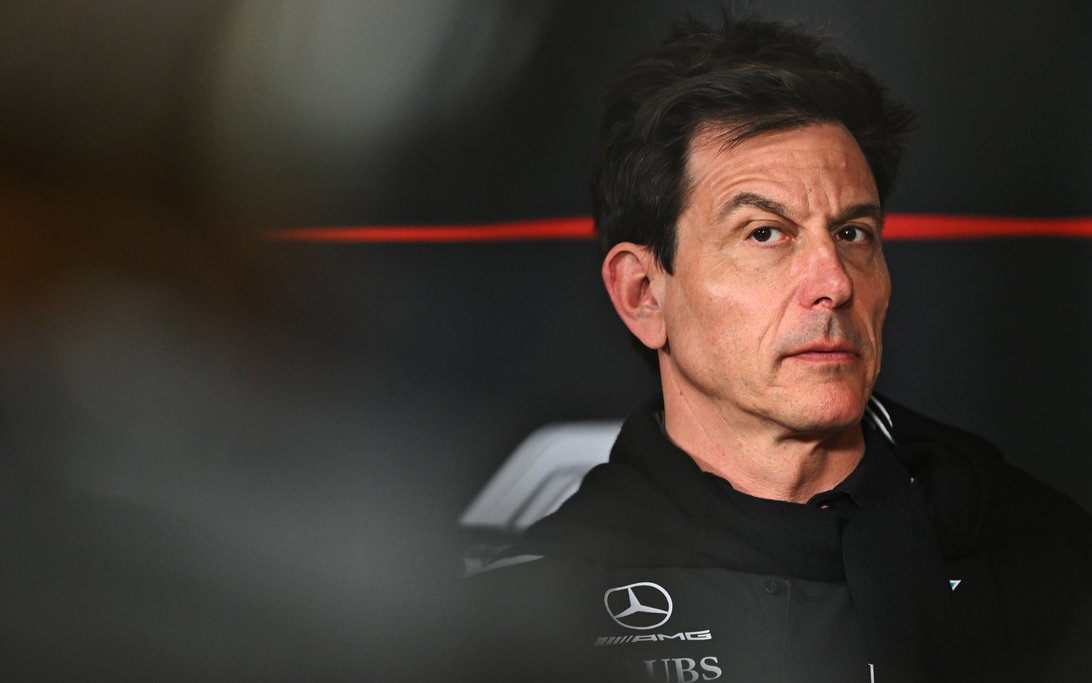
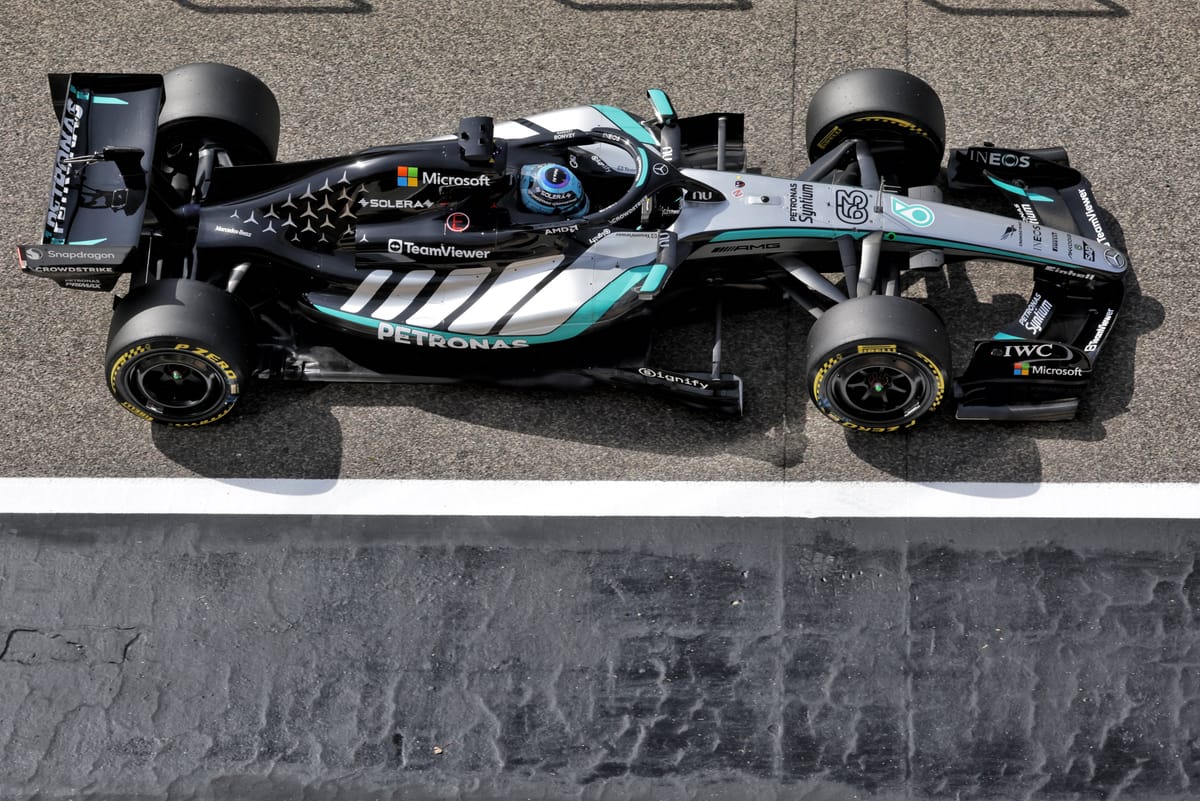
Mercedes F1 boss Toto Wolff warns his team could be "screwed" by a last-minute rule change targeting its engine's compression ratio interpretation. Rival manufacturers, now with a potential super-majority, are pushing the FIA to alter test procedures, which could nullify a Mercedes performance advantage and set a contentious precedent for technical governance.
Mercedes faces a critical political battle as rival manufacturers push for a last-minute rule change targeting its engine's compression ratio interpretation, potentially stripping the team and its customers of a performance advantage just before the season begins. Team principal Toto Wolff, who once believed the issue would fade, now admits the political winds have shifted, putting Mercedes-powered teams in a precarious position ahead of a decisive F1 Commission meeting.
Why it matters:
A late regulatory change would set a significant precedent for how technical ingenuity is governed in F1, moving the sport closer to a de facto balance of performance model. For Mercedes, losing this political fight could result in an immediate performance deficit and disrupt long-term development cycles, impacting not only the works team but also its customer teams.
The details:
- The controversy centers on Mercedes' interpretation of engine rules regarding compression ratio, which rivals argue provides an unfair advantage.
- A super-majority vote at the Power Unit Advisory Committee (PUAC) is now possible after Red Bull Powertrains reportedly aligned with Ferrari, Honda, and Audi, moving against Mercedes' stance.
- The proposed change would switch the FIA's compliance test from a "cold" to a "hot" procedure, which could invalidate Mercedes' design approach.
- Wolff acknowledges that if the FIA and Formula One Management (FOM) side with the rivals, Mercedes has no recourse: "if they decided to share an opinion and an agenda, then you're screwed."
- He frames the push as "gamesmanship or manipulation," suggesting some competitors prefer a leveled field over rewarding engineering innovation.
What's next:
The outcome hinges on the upcoming F1 Commission meeting in Bahrain. Wolff has ruled out legal action, stating the team would "have to take it on the chin" if the governance votes for a change. However, he warns of unintended consequences: altering the rules could disrupt F1's new Additional Development Upgrade Opportunities (ADUO) system, potentially harming the very teams at the back who are pushing for the change by removing their chance to use a similar development route later to catch up. The immense complexity and late timing of such a change may ultimately deter the FIA from intervening, but as Wolff notes, in F1 politics, "the wind can change suddenly."
Don't miss the next lap
Get the deep dives and technical analysis from the world of F1 delivered to your inbox twice a week.
Zero spam. Only high-octane analysis. Unsubscribe anytime.
Join the inner circle
Get the deep dives and technical analysis from the world of F1 delivered to your inbox twice a week.
Zero spam. Only high-octane analysis. Unsubscribe anytime.
Continue Reading
View More News