Why Red Bull Took a Risk Overhauling Verstappen's Car in Brazil
Red Bull made a high-stakes decision to overhaul Max Verstappen's car in Brazil with a new power unit and setup changes after a disappointing sprint race, despite the risks involved. While the changes initially complicated qualifying, this bold move reflects Red Bull's core philosophy of taking chances to win, culminating in a remarkable recovery drive to a podium finish.
Red Bull's decision to aggressively overhaul Max Verstappen's RB21 after qualifying in Brazil, including a new power unit and setup changes, was a calculated risk driven by dissatisfaction with the car's performance in the sprint race. While the changes initially backfired, leading to a challenging qualifying, the team's philosophy prioritizes taking such gambles in pursuit of victory.
Why it matters:
After years of consistent front-running performance, Red Bull's willingness to make significant, risky changes mid-weekend highlights their relentless pursuit of perfection and competitive edge. This aggressive strategy, even when it doesn't immediately pay off, is key to their championship mindset and reveals how top teams operate under pressure to maximize every opportunity.
The details:
- Dissatisfaction with Performance: According to Laurent Mekies, Red Bull was deeply unhappy with the RB21's balance and the drivers' feedback after the sprint race, where Verstappen finished fourth.
- Decision to Overhaul: The team opted to make substantial changes, including fitting a new power unit and altering the car's setup, before the main qualifying session.
- Calculated Risk: Mekies stated, "Nobody wanted to settle for a car that would have been at that level. We felt the optimum window was not where we were." He emphasized that taking such risks is integral to Red Bull's racing philosophy.
- Initial Setback: The changes initially backfired, leading to a difficult qualifying session. However, Mekies acknowledged this outcome, stating, "We obviously got it wrong, but it’s the way we go racing. We take risks, and if we don’t take that amount of risk, we don’t think we’ll be able to win."
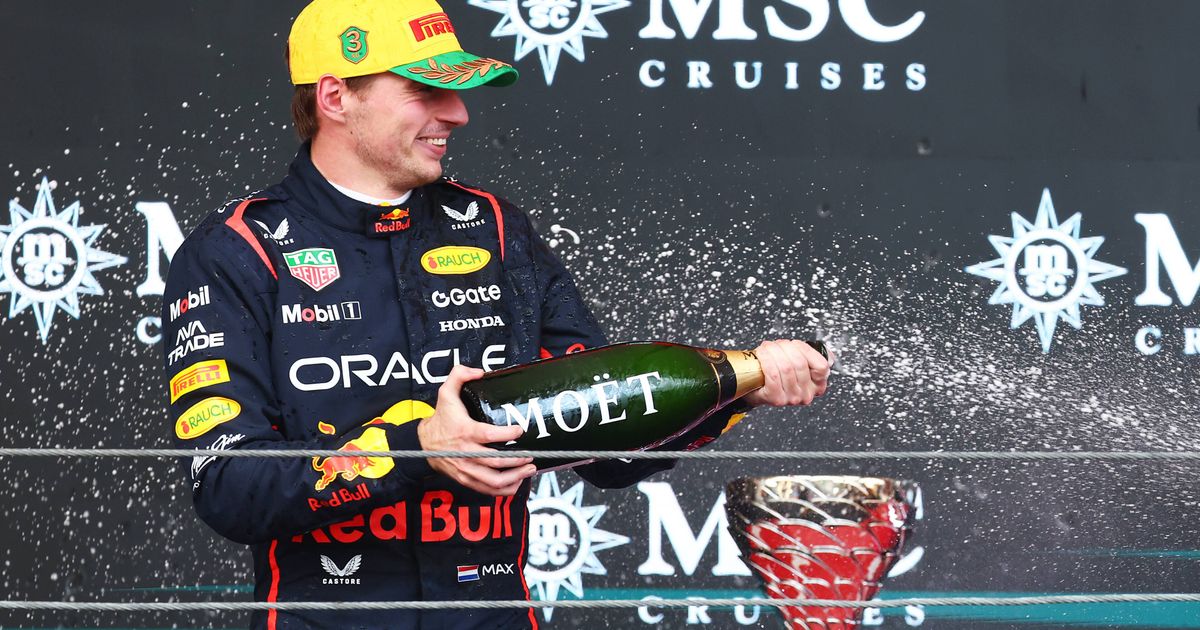
- Verstappen's Recovery Drive: Despite starting from the pit lane, Verstappen showcased a spectacular comeback, similar to the previous year, ultimately securing third place on the podium.
- Strategic Advantage from Puncture: Paradoxically, an early puncture in the main race aided Verstappen. It allowed him to bypass the mandatory double-stint strategy, enabling him to switch to soft tires for the final stint, giving him fresher rubber to chase down the Mercedes cars.
The big picture:
Red Bull's approach in Brazil underscores a fundamental truth in Formula 1: sustained success often requires bold decisions and an acceptance of risk. Even for a dominant team, complacency is not an option. This incident provides a glimpse into the high-stakes decision-making process that occurs behind the scenes, where engineers and strategists constantly push boundaries to find those precious tenths of a second. It also highlights Verstappen's ability to maximize any situation, turning a potential disaster into a podium finish.
What's next:
This incident reinforces Red Bull's aggressive operational style heading into the remaining races of the season. While the Brazil gamble didn't yield an immediate victory, the team's willingness to experiment and take risks will continue to be a defining characteristic. This mindset will likely influence their development and race strategies as they aim to maintain their competitive advantage and learn from both successes and setbacks.